We use cookies and similar technologies to track your activity and improve your experience.
Sort by
Recommended
See on map
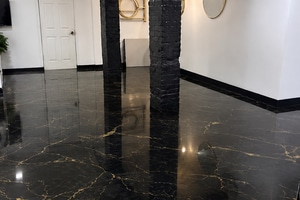
Unique Space
∙
New York
1,000 sq ft
from $1,296 per day
See on map

See on map
See on map

See on map

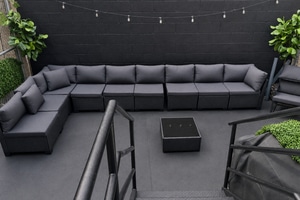
Atelier / Workshop Studio
∙
New York
800 sq ft
from $600 per day
See on map

See on map

Other
∙
New York
1,400 sq ft
from $360 per day
See on map

See on map

Restaurant / Bar / Cafe
∙
New York
450 sq ft
from $720 per day
See on map

See on map

Other
∙
New York
700 sq ft
from $576 per day
See on map

Restaurant / Bar / Cafe
∙
New York
1,200 sq ft
from $1,440 per day
See on map

Short-Term Commercial Space in Harlem, New York
Browse by location: Short-term commercial space in 125th Street, New York
Popular venues in Harlem, New York:Cheap Retail Space in Harlem, New York ; Storefront With Apartment in Harlem, New York
Harlem is a distinct commercial destination in Upper Manhattan with a wide commercial corridor, strong local foot traffic, and a cultural identity that shapes how brands are received here. Short-term commercial space in Harlem is available across a range of formats and corridors, bookable by the day, week, or month without a long-term lease commitment. Brands choosing Harlem are doing so because their audience is here, not simply because the rents compare favorably to Midtown or SoHo.
Why Harlem works for temporary retail
Harlem's commercial corridors carry consistent pedestrian volume across the week. The Apollo Theater anchors the western end of 125th Street, drawing an evening audience that extends the trading day beyond typical daytime retail hours. Several subway lines converge at 125th Street, and the station ranks among the fifty busiest in Manhattan by annual ridership, which translates directly to through-traffic for ground-floor units on the corridor.
Lenox Avenue, co-named Malcolm X Boulevard, runs north to south through central Harlem and carries the district's most concentrated recent commercial openings, with restaurants and independent retail that draw both local shoppers and visitors.
Frederick Douglass Boulevard, the co-name for Eighth Avenue above 110th Street, holds a long restaurant and bar run that functions as the district's main evening corridor, separate from the daytime retail activity on 125th Street.
The neighborhood carries a cultural weight that shapes how a newcomer is read. Brands arriving with a story that connects to Harlem's audience tend to land well. Brands that ignore that context tend not to. That dynamic is worth factoring into how an activation is presented, not just where it is located.
Corridor guide: where your brand fits
Harlem is not a single retail environment. The three main commercial corridors each attract a different renter profile.
-
125th Street is the neighborhood's primary commercial spine, with large-format retail, heavy footfall throughout the week, and an evening audience driven by the Apollo Theater. Street-level storefronts here carry the highest visibility and the highest demand during peak periods. Beauty brands, streetwear labels, and DTC brands testing physical retail at scale are the most common short-term renters on this corridor.
-
Lenox Avenue / Malcolm X Boulevard carries a more independent retail and hospitality mix. The concentration of recent openings here makes it a strong fit for emerging brands looking to position alongside established independent businesses rather than large-format retail neighbors.
-
Frederick Douglass Boulevard skews toward evening trade and hospitality-adjacent activations. Brands running launch events, tastings, or experience-led formats find the corridor's evening footfall profile more useful than its daytime numbers.
Side-street units between the main corridors offer smaller footprints at lower cost, and are a practical option for brands that need a home base in Harlem without requiring frontage on a primary avenue.
Types of flexible commercial space available
Harlem's short-term commercial inventory spans several formats.
-
Street-level storefronts with display windows and direct street frontage, suited to temporary retail stores and brand activations
-
Gallery-style spaces adapted for retail-led exhibitions, product showcases, and launch events
-
Loft and open-plan units with flexible layouts, used for sample sales, showrooms, and customer-facing brand experiences
Harlem contains a mix of pre-war commercial stock and newer ground-floor retail units. Ceiling heights and configuration flexibility vary by building era. For a full overview of how temporary commercial rental works, the Retail Space For Rent project page covers formats, agreements, and what to expect from a short-term lease.
Seasonal demand and booking windows
Demand for temporary commercial space in Harlem follows a clear seasonal pattern.
The November to December holiday period is the heaviest booking window across New York as a whole, and 125th Street in particular sees strong demand as brands seek visibility during the city's peak retail season. Thanksgiving weekend opens the heaviest trading stretch of the year, and brands that leave booking too late for that window find available inventory limited to side-street units or secondary corridors.
The fashion weeks in February and September create a secondary wave of short-term demand across Manhattan. Harlem is not a primary showroom district for those weeks, but brands using fashion week timing to build awareness in New York often extend their activation window into the neighborhood.
August is the quietest month in Manhattan broadly. Office districts thin out, and the fashion and media industries largely pause. It is the most negotiable period for short-term rates and the hardest period in which to trade. Late summer activations should be planned around the back-to-school return in early September, when foot traffic across the city picks up sharply.
Valentine's Day in February offers a short lift in a typically slow stretch, and Halloween in October drives a distinct wave of short-term store openings through September and October that Harlem's commercial corridors participate in.
Transit access and practical logistics
Harlem is served by multiple subway stations, including 110th Street, 116th Street, 125th Street, 135th Street, 145th Street, and 155th Street, among others. The 24-hour subway means a late event does not require guests to plan alternative routes home, and staff can work hours that would be impractical in many other cities.
That said, only a minority of Manhattan subway stations have elevator access. For an activation expecting a broad public audience, confirming whether the nearest station is step-free is a practical question worth answering before booking.
The avenue-dominant grid of Upper Manhattan means that crosstown travel within Harlem is slower than north-south movement. Two addresses on the same numbered street but separated by several avenues can take longer to walk between than the distance suggests. Proximity to a specific station matters more than proximity to any station.
Harlem compared to other New York neighborhoods
Harlem offers the widest gap in Manhattan between foot traffic and cost. Several subway lines, a large resident population, and a major commercial corridor combine to deliver genuine pedestrian volume at rates that sit below comparable corridors in Midtown, SoHo, or Tribeca.
The Lower East Side attracts emerging and independent labels and carries a distinct creative demographic. For brands deciding between the two, the relevant question is which audience they are trying to reach, not which is cheaper. Harlem's audience has deep cultural loyalty to the neighborhood; an activation that acknowledges that tends to perform better than one that treats the location as interchangeable.
Brands planning their first New York activation and assessing multiple micro-markets will find it useful to browse New York for a city-level view of available neighborhoods and how they compare.
FAQ
What is short-term commercial space in Harlem?
Short-term commercial space in Harlem refers to retail storefronts, loft units, and adaptable commercial spaces available on flexible terms, typically by the day, week, or month, without a long-term lease. These spaces are used for temporary stores, brand activations, product launches, and sample sales.
How does temporary commercial space in Harlem differ from a standard lease?
A temporary commercial agreement in Harlem covers a defined short period, often as brief as one day, with simplified terms and no multi-year commitment. It suits brands that want to test demand in the neighborhood, run a time-limited activation, or assess a location before making a permanent decision.
Which corridor in Harlem has the strongest retail foot traffic?
125th Street consistently carries the highest pedestrian volume, supported by subway access and the Apollo Theater's evening audience. Lenox Avenue and Frederick Douglass Boulevard are active secondary corridors, each with a distinct footfall profile: Lenox skews toward independent daytime shoppers, Frederick Douglass toward evening and hospitality-adjacent trade.
What types of brands use flexible commercial space in Harlem?
Beauty brands, streetwear labels, DTC brands testing physical retail, heritage retailers, and event operators all use flexible commercial space in Harlem. The neighborhood's cultural identity is most commercially useful for brands with a community-oriented or culturally rooted positioning.
When is short-term retail in Harlem most in demand?
Peak demand falls in the November to December holiday period and around the fashion weeks in February and September. Halloween and Valentine's Day create shorter demand spikes earlier in the year. August is the quietest and most negotiable period for short-term rates.
Is flexible commercial space in Harlem suitable for a first-time pop-up?
Yes. Short-term agreements are straightforward, setup requirements are typically simple, and the neighborhood's foot traffic provides a genuine test of retail demand without the commitment of a long-term lease. Brands new to Harlem should plan their activation to connect with the neighborhood's audience rather than treating the location as a neutral backdrop.


