We use cookies and similar technologies to track your activity and improve your experience.
Sort by
Recommended
See on map
See on map

See on map

Pop-Up Gallery and Exhibition Space in Lenox Hill, New York
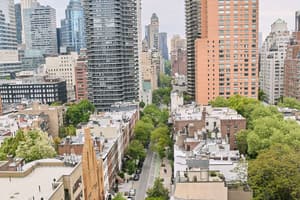
Lenox Hill sits in the southern half of the Upper East Side, between the luxury avenues to its west and the everyday retail of Second and Third Avenues to its east. For a pop-up gallery or temporary exhibition, the neighborhood offers something the bigger art districts do not: a residential audience of collectors and buyers who live within walking distance and a quieter setting that lets the work, not the street, set the tone.
The district runs roughly from the lower 60s into the mid-70s, covering blocks that mix prewar townhouses, postwar apartment buildings and small ground-floor commercial units. Spaces here tend toward the intimate rather than the industrial, which suits solo shows, private viewings and small-group openings.
Where Lenox Hill Fits in New York's Gallery Landscape
Most temporary art space in New York clusters downtown, in Chelsea and the Lower East Side, where the established gallery buildings sit. Lenox Hill is a different proposition. Madison Avenue above 57th Street is the luxury retail spine of the Upper East Side, occupied by established fashion and jewelry houses, and the surrounding blocks carry an affluent population that already buys art.
A pop-up gallery in Lenox Hill draws from that population directly. The foot traffic is local and purposeful rather than tourist-driven, and the numbered cross-streets in the 70s hold the neighborhood's independent retail, set back from the main avenues. A ground-floor unit on one of those streets places an exhibition in a residential context where neighbors become the opening-night audience.
For artists and curators comparing locations, the Upper East Side as a whole shares those qualities, while Chelsea and 10th Avenue offer the larger raw floors and the gallery-walk crowd.
What Exhibition Space Looks Like Here
Lenox Hill's building stock is mostly residential in scale. That means the available spaces tend to be:
-
Ground-floor units under apartment buildings, with street-level access and a single shopfront window
-
Townhouse parlor floors with high ceilings, natural light, and the proportions of a domestic interior
-
Small commercial units on Second and Third Avenues, fitted for everyday retail but adaptable for a short exhibition run
The neighborhood does not have the loft buildings of SoHo or the raw warehouse floors of Williamsburg. What it has is finish: plaster walls, wood floors, controlled proportions. A photography show, a curated selling exhibition or a private collection viewing fits the scale well. Large-format installation work or anything needing freight access is better served elsewhere.
Timing and Seasonal Demand
Demand for temporary space in New York peaks around the fashion weeks in February and September and through the run-up to the December holidays. For exhibition space specifically, the fall gallery season from September onward is the busiest window, when the city's art audience is back from the summer and actively visiting.
August is the quietest month in Manhattan. A large part of the resident population leaves the city, and the art and media industries largely stop. That makes it the cheapest month to take space and the hardest month to draw a crowd. The weeks after the holidays carry the same pattern: post-Christmas spending fatigue and cold weather suppress foot traffic, but rates are at their most negotiable.
For a pop-up gallery in Lenox Hill, the strongest windows are early fall and the spring months before the summer exodus. Valentine's Day in mid-February and Mother's Day in May offer gifting-driven foot traffic that a selling exhibition can use.
Getting There
Lenox Hill is well served by public transport, with several subway stations within the district. The New York subway runs twenty-four hours a day, every day, so a late opening or a private viewing that runs into the evening does not depend on closing times. The neighborhood is also reachable by bike share, with docks on most avenues.
Three regional rail systems bring commuters and visitors into Manhattan through Grand Central and Penn Station, extending the catchment well beyond the city itself.
How Rates Work
Rates for exhibition space in Lenox Hill vary by size, position on the street and time of year. The real levers a renter controls are timing, duration and flexibility:
-
A longer booking usually earns a better daily rate than a single day
-
Off-peak months and midweek dates cost less than peak season weekends
-
A side street a few doors off Madison or Lexington asks less than the main avenue itself, while keeping much of the local foot traffic
-
A space above ground floor in the same building asks less than the street-level unit
Deposits, insurance and cancellation terms are set by each host and vary by space, so confirm the details directly when enquiring.
FAQ
How long can I rent a pop-up gallery in Lenox Hill?
A temporary art gallery exhibition space can be booked from a single day to several months. Most exhibition pop-ups in the neighborhood run for a weekend to a few weeks, though longer lets are common for selling shows or residencies.
Is Lenox Hill a good location for a first exhibition in New York?
Lenox Hill suits a first show well. The residential foot traffic is consistent, the audience skews toward collectors and buyers rather than casual passersby, and the smaller spaces keep costs manageable compared to Chelsea or SoHo.
When is the best time to book exhibition space here?
The fall gallery season from September onward and the spring months before summer are the strongest trading windows. For the best rates, consider the quieter stretches of January and late summer, when availability is wider and pricing more flexible.
How does Lenox Hill compare to Chelsea for a pop-up gallery?
Chelsea offers large raw floors, established gallery-walk foot traffic and a purpose-built art audience. Lenox Hill offers a residential setting, a collector base that lives locally, and more intimate spaces at generally lower rates. The choice depends on the scale and character of the show.
What should I look for in a temporary exhibition space?
Wall space, natural or adjustable lighting, ceiling height, street-level access for delivery, and a layout that lets visitors circulate. In Lenox Hill, most available units are finished rather than raw, so factor in whether the existing fit-out works for the art or needs adaptation.


