We use cookies and similar technologies to track your activity and improve your experience.
Sort by
Recommended
See on map
Featured
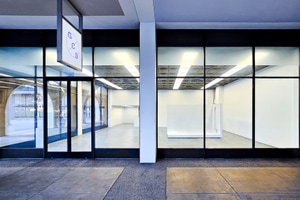
Art Gallery
∙
Northern Waterfront
3,000 sq ft
from $3,600 per day
Featured
See on map
Fast Responder

Event Space
∙
Financial District
2,000 sq ft
from $9,360 per day
Fast Responder
See on map

Warehouse
∙
Chinatown
3,252 sq ft
from $392 per day
See on map

Art Gallery
∙
Chinatown
3,029 sq ft
from $488 per day
See on map

Event Space
∙
Financial District
444 sq ft
from $401 per day
Short-Term Commercial Space in Financial District, San Francisco
A short-term commercial space in the Financial District gives a brand access to the densest concentration of weekday foot traffic in San Francisco. The district trades on a professional clock: footfall peaks between Tuesday and Thursday at lunchtime and drops away at weekends, so any temporary or flexible commercial space here should plan around that rhythm rather than a seven-day week. Formats that suit that pattern, product launches aimed at office workers, lunchtime sampling, midweek showrooms, perform well. Longer activations that depend on weekend browsers do better in the neighborhood corridors elsewhere in the city.
What Counts as Short-Term Commercial Space in the Financial District
A temporary commercial space is any ground-floor or street-level unit rented for less than a traditional lease term, from a single day to several months. In the Financial District that includes pop-up shops, showrooms, galleries and event venues. The flexible commercial space model lets a brand test a concept, meet buyers face to face or build local presence without a long commitment. Rates vary by size, street, floor level and season, so ask the space owner directly for current pricing when you enquire.
Where to Look Within the Financial District
The Financial District is not one uniform grid. Several micro-areas offer different conditions for a short-term tenant.
-
Montgomery Street is the spine of the district and the reason it was once called the Wall Street of the West. Ground floors here are banking halls, lobbies and service retail. The opportunity is convenience and workday trade rather than destination shopping.
-
Jackson Square, at the northern edge, holds the largest group of commercial buildings that survived the 1906 fire. Low brick blocks house interior showrooms, galleries and a growing number of fashion boutiques, at a scale and rent quite unlike the towers a few blocks south.
-
The Ferry Building at the foot of Market Street is a working ferry terminal converted into a food hall with a farmers market on the plaza outside. It is the one part of the Financial District that draws visitors and residents at weekends as well as workers on weekdays.
-
Embarcadero Center links four office towers with retail on the lower floors. Trade here is almost entirely the workers above, making it a strong weekday activation spot.
-
The Embarcadero waterfront is a palm-lined promenade opened up after the elevated freeway was demolished following the 1989 earthquake. It is now the city's main outdoor event frontage.
-
Battery, Sansome and Front Streets run north to south along the line of the original shoreline. Their ground floors carry restaurants and after-work bars rather than shops, so food and drink activations suit them best.
The district sits next to Chinatown, just a block or two west of Montgomery. Lunchtime trade crosses that boundary in both directions, which widens the audience for a temporary space on either side.
Who Rents Short-Term Commercial Space Here
Because so many technology companies are headquartered in or near the city, the Financial District attracts a particular kind of temporary retail: launch events, product demonstrations and brand experiences aimed at press and professionals rather than passing shoppers. That demand follows the conference calendar. San Francisco hosts around thirty-eight major conventions a year, roughly half of them technology events, and the weeks around the largest bookings at Moscone Center are when satellite activations downtown are busiest and most competitive.
The district also suits retail space for rent on a flexible basis for brands testing the San Francisco market before committing to a neighborhood corridor. A weekday pop-up near Montgomery or Embarcadero Center reaches a professional audience that the boutique streets in Hayes Valley or Pacific Heights do not.
Seasonal Patterns Worth Planning Around
San Francisco's best weather arrives in September and October, not in summer. Cold ocean fog keeps June through August grey and windy, while early autumn is the warmest and clearest stretch of the year. For an outdoor or sidewalk-facing format on the Embarcadero, that is the window.
The commercial rhythm downtown follows the convention calendar more closely than any fashion or art season. A large Moscone booking fills the surrounding hotels, restaurants and streets for a week at a time, and the gaps between bookings are visible on the pavement. The largest technology conferences concentrate in a few weeks: mid-September, March and January.
Christmas trading builds from mid-November. Downtown peaks earlier than the neighborhood corridors, driven by visitors and office parties. Black Friday weekend is one of the busiest periods in the wider Union Square area, which sits immediately west of the Financial District.
June is Pride month, and it is a significant commercial season across the city rather than a symbolic one. Brand activations concentrate in the final week and visitor numbers rise sharply.
Getting There and Getting Stock In
The Financial District is the arrival point for most people commuting into the city. It is served by Embarcadero and Montgomery stations on BART and Muni Metro, the California Street cable car, the Ferry Building ferry terminal and the Salesforce Transit Center for regional buses. Ferries land from Sausalito, Oakland, Alameda and other points around the bay, delivering weekend leisure traffic directly to the foot of Market Street.
Deliveries are the practical constraint most often missed. Most commercial corridors have timed yellow loading zones rather than open curb space, enforced actively. On the narrow streets there is frequently nowhere else to stop. Anyone planning a build or stock delivery should confirm the loading arrangement before signing.
Nearby Neighborhoods to Compare
The Financial District is one piece of a larger downtown. Brands weighing locations often compare it with adjacent areas that trade on a different rhythm. Marina District and Cow Hollow draw a residential, weekend-heavy audience. How Ori used a pop-up in San Francisco to showcase robotic furniture and Iron and Resin's pop-up in North Beach show how brands have activated in different parts of the city, each choosing a neighborhood that matched the audience they wanted.
FAQ
What is a short-term commercial space in the Financial District?
A short-term commercial space is a ground-floor or street-level unit available for rent from a single day to several months without a long-term lease. In the Financial District, these spaces serve pop-up shops, showrooms, galleries and corporate event venues. The format suits brands that want to reach a weekday professional audience without a permanent commitment.
When is the best time to book a temporary commercial space in the Financial District?
Demand peaks around the major conference weeks, particularly the large technology events at Moscone Center in January, March and mid-September. September and October also bring the city's best weather, making them strong months for any format with an outdoor component. Booking well ahead of those windows gives the widest choice of available spaces.
How does the Financial District compare with other San Francisco neighborhoods for a pop-up?
The Financial District trades almost entirely on weekdays, with foot traffic concentrated between Tuesday and Thursday. The neighborhood corridors such as Hayes Valley, Valencia and Fillmore run on residents and weekend visitors. The right choice depends on whether the target audience is professionals during the work week or consumers at the weekend.
What types of flexible commercial space are available in the Financial District?
Listings range from small ground-floor units on the streets around Montgomery to larger event-ready spaces near the Embarcadero waterfront. Jackson Square offers low-rise brick buildings suited to showrooms and galleries. Embarcadero Center has indoor retail units that draw from the offices above. The mix covers most short-term commercial needs.
Are there any seasonal factors that affect availability?
Yes. Convention weeks tighten supply and raise demand downtown. The holiday season from mid-November through late December brings additional competition for visible locations. Summer months are quieter downtown because office attendance and visitor foot traffic both dip, which can mean more choice and more flexible terms for a temporary tenant.


