We use cookies and similar technologies to track your activity and improve your experience.
Sort by
Recommended
See on map

See on map
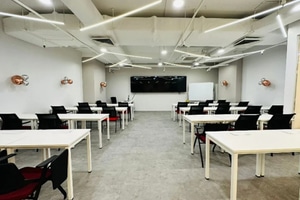
Meeting Space
∙
Kallang
71 m²
from SGD480 per day
Pop-Up Shop and Store Rental in Bugis, Singapore
Check our latest articles:
7 Case Studies That Prove Experiential Retail Is the Future;What Is a Pop-Up Shop? Definition, Costs & How It Works
Bugis is Singapore's hybrid retail district: a covered street market of hundreds of small stalls sits beside two modern malls, and a five-minute walk east leads into the independent shophouses of Kampong Glam. That range means a pop-up store rental in Bugis sits within a few minutes of both a mass-market local crowd in the malls and market, and a design-literate, culturally curious shopper on Haji Lane and around Kampong Glam.
The district anchors its foot traffic on Bugis station, an interchange between the East West and Downtown lines with the malls built directly over it. Bugis is also served by Bras Basah and Rochor stations, both within a short walk, so the area draws a consistent stream of students, workers, and visitors without relying on a single route.
For anyone opening a pop-up store in Bugis, Singapore, the first decision is which side of Ophir Road. West is volume: malls, market stalls, and a young, price-sensitive local crowd. East is character: conservation shophouses in Kampong Glam, independent traders on Haji Lane, and a customer who researches before they spend. They are five minutes apart and serve different briefs entirely.
What kind of spaces are available in Bugis
Bugis carries both mall-based and street-level options, which is unusual in Singapore where almost all retail happens inside shopping centers.
On the mall side, atrium and kiosk positions in Bugis Junction and Bugis+ put a brand in front of the highest daily footfall in the district, with the shelter from heat and rain that Singaporean shoppers expect. These positions are compact and competition for them is real.
On the street side, the conservation shophouses east toward Kampong Glam offer ground-floor units with five-foot covered frontage, small footprints, and a trading culture that has supported independent retail for decades. Waterloo Street, one of the busiest pedestrian corridors in the area, runs close by and adds a steady flow of visitors throughout the day.
For a brand wanting to rent retail space in Singapore more broadly, the shophouse format is the most photogenic and the most distinctively Singaporean option available anywhere on the island.
Who rents a pop-up shop in Bugis
The arts, culture and learning designation around Bras Basah and Bugis puts a large daily population of art, design, and management students into the district. That audience is young, opinion-forming, and not well served by the surrounding malls. A brand in apparel, stationery, music, or independent publishing has a more reachable audience here than in Orchard or Marina Bay.
Overseas brands entering Singapore for the first time often use Bugis as a lower-cost test before committing to an Orchard address. The foot traffic is real, the lease terms are short, and the district's mix of tourist shoppers and local regulars gives a fast read on how a product performs across different buyer types.
F&B brands testing a format, beauty labels running a sampling week, and fashion brands trialing a new price point are all regular users of short-term retail space in the Bugis and Kampong Glam area.
For context on what other districts look like, Orchard and Somerset offer higher-footfall mall formats at correspondingly higher rates.
How rates work in Bugis
Bugis is the cheapest high-footfall retail address in central Singapore, and that is its commercial argument. Rates vary by position, size, format, and timing, and are set by each host rather than by a single market rate.
The levers that move the price:
-
Position. A unit inside a mall atrium costs more than street-level shophouse space a few minutes east.
-
Duration. A longer booking generally earns a better daily rate than a single day or weekend.
-
Timing. Peak trading periods around Chinese New Year, Hari Raya, and Christmas command higher rates than quiet midweek slots.
-
Fit-out. A finished, furnished space costs more than a raw unit. If a brand is bringing its own build, the raw space is often the better buy.
-
Floor and frontage. Ground-floor space with street or mall visibility commands the most. Upper floors and basement positions in the same building ask less.
Ask each host for current rates directly. The listing shows the base price, and most hosts will discuss terms for a longer or flexible booking.
When to open a pop-up store in Bugis, Singapore
Singapore has no weather season, so the retail calendar is built around cultural moments rather than temperature.
Chinese New Year is the largest retail event of the year. The run-up lasts around six weeks and covers gifting, apparel, confectionery, and anything bought as a visiting present. Booking demand for pop-up space rises well before the holiday, so planning early matters.
Hari Raya Puasa marks the end of Ramadan and is the second major retail season. Kampong Glam, which begins a short walk east from Bugis station, is one of the centers of the season in Singapore, with evening trade running late through the fasting month. A space in that area during Ramadan reaches an audience actively looking to buy.
Deepavali in October or November concentrates spending in Little India but lifts the broader district, particularly in textiles, homeware, and gifting categories.
Christmas runs from mid-November into January and flows directly into the Chinese New Year build-up, making the final two months of the year one continuous trading peak. The motor racing weekend in the Marina Bay area in late September or early October is the single largest commercial week in the Singapore calendar outside the festival seasons, filling hotels and bringing a high-spending international crowd into the central area.
Bugis Street specifically peaks on school holidays and weekends. The Bras Basah and Bugis area's arts, culture and learning designation puts a large student and creative population into the district daily.
Practical notes for a Bugis pop-up
Singapore is effectively cashless. PayNow, the national instant transfer scheme, and QR-code payment through the SGQR label are standard. A pop-up that cannot accept these is visibly behind the local market. Prices are shown inclusive of GST rather than exclusive as in the US.
Mall logistics in Singapore are tightly managed. Goods lifts, loading bays, and delivery windows are controlled by mall management rather than by the tenant, and fit-out often runs overnight. Confirm the build schedule with the host and the building before signing.
The MRT stops around midnight. For an evening activation, the last train is a real planning constraint, particularly if the guest list is coming from across the city. Taxis and ride-hailing are affordable and widely used, which softens this for a premium event.
Requirements for your business type depend on what you are selling and how the space is used. Confirm the permits you need with the relevant Singapore authority before booking, not after.
For a broader view of how to measure whether a pop-up is working once you open, How to Measure Pop-Up Shop Success: KPIs, Metrics and ROI Guide covers the metrics and approach in detail.
For what Bugis connects to across the rest of the city, Bukit Merah offers a different retail profile for brands wanting to reach a residential rather than tourist-heavy crowd. The Singapore city page lists the full range of districts and space types.
FAQ
What is a pop-up shop in Bugis, Singapore?
A pop-up shop is a short-term retail space rented for days, weeks, or months without a long-term lease commitment. In Bugis, that means anything from a kiosk position in a mall atrium to a ground-floor shophouse unit in Kampong Glam, chosen to match the brand's audience and the duration of the activation.
How long can I rent a pop-up store in Bugis?
Bookings typically run from a single day to several months. The right duration depends on what the space is being used for: a product launch or sampling campaign might run a week, while a brand testing a permanent Singapore address often books for a month or more to get a reliable read on performance.
Is Bugis a good location for a popup store in Singapore?
Bugis works well for brands targeting a young, local, price-conscious crowd through the mall and market formats, and for those wanting a characterful, independent-retail feel through the shophouse options east toward Kampong Glam. It is the cheapest high-footfall retail address in central Singapore, which makes it a practical first market test.
What makes Bugis different from Orchard for a pop-up shop?
Orchard is Singapore's premium mall corridor with higher rents and a shopping-center format throughout. Bugis offers a mix of mall, outdoor market, and shophouse space at lower rates, with a more varied and younger audience. For a brand that does not need the prestige address, Bugis gives faster access to volume and a more direct read on the mass-market Singapore consumer.
When is the best time to open a pop-up shop in Bugis?
The strongest periods are the six weeks before Chinese New Year, the Ramadan and Hari Raya season, and the November-to-January Christmas and New Year window. School holidays and the motor racing weekend in late September or early October also drive significant footfall into central Singapore. The quietest weeks tend to be the mid-year school holiday when families travel out of Singapore.


