What is cheap event space in Los Angeles?
Affordable event space in Los Angeles means accessible venues at rates that start around $950 per day, without sacrificing location, natural light or street visibility. The city's low-rise retail stock, converted warehouses and courtyard buildings give budget-conscious renters options across multiple neighborhoods. From the Arts District's industrial lofts to Downtown's adaptive reuse buildings to Silver Lake's independent storefronts, affordable does not mean remote or compromised.
Neighborhoods for budget event space
Downtown Los Angeles holds an unusual concentration of early twentieth-century commercial buildings converted to mixed use, with ground-floor units carrying original tile, marble and high ceilings at lower rents than Westside alternatives. The Historic Core carries resident population on upper floors, which means evening and weekend life. The Arts District, east of Alameda Street, occupies former industrial warehouses and cold-storage buildings with large floor plates, exposed structure and roll-up loading doors suited to exhibitions and installations. The Fashion District combines wholesale showrooms, fabric suppliers and public retail within a short walk, making it a working market environment. Silver Lake is known for its independent retail mix: small operators, vintage, books, records and design with a young Eastside audience. Sunset Boulevard through Silver Lake, between roughly Echo Park Avenue and Alvarado Street, is lined with independent stores, cafes and bars. Echo Park's retail spine follows the same pattern: Sunset Boulevard between Echo Park Avenue and Alvarado carries independent retail with very little chain presence. These neighborhoods consistently offer entry-level rates and character that fits emerging brands and grassroots activations.
Types of spaces and what to expect
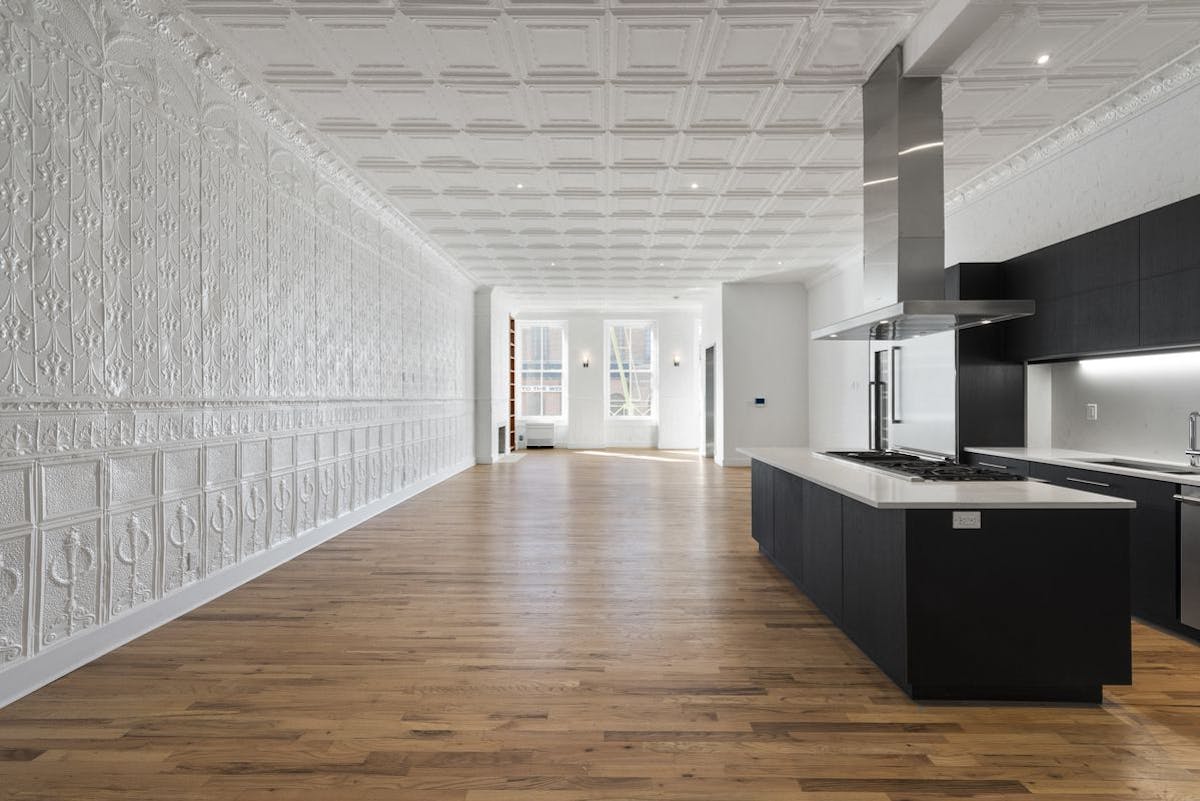
Most affordable event space in Los Angeles is single-story and low-rise with direct street entry, generous frontage and frequently a yard, patio or parking to the rear. Converted warehouses and lofts in the Arts District feature high ceilings and roll-up doors suitable for large installations. Courtyard and bungalow-format buildings in Downtown and the Fashion District offer smaller ground-floor units with original finishes. Street-level frontage on Silver Lake and Echo Park gives visibility without premium pricing. The climate allows outdoor and open-fronted trading through most of the year, so courtyards, patios, forecourts and parking lots are usable event space in Los Angeles in a way they are not in colder markets. Almost every customer arrives by car, which makes parking and curb access more important than distance to a rail station.
Event timing and booking flexibility
Daily bookings start from $950 and run to $1,650 for most spaces in the ranges listed above. Weekly rates begin around $4,425. Monthly options are available for longer activations. Final rates depend on duration, exclusivity, and event timing. Pricing shown reflects typical asking ranges for spaces in the area; final booking terms are negotiated directly with the host. Spaces typically allow flexible booking: you enquire with your dates, talk directly to the host on the platform to agree details, and confirm the booking there. Most hosts set their own cancellation terms, so these vary by space and should be checked before booking. The statewide sales tax on goods varies by address and sits on top of the base rate, confirm the exact figure for your chosen location. There is no restriction on Sunday trading hours in Los Angeles, so a space can open the same hours on Sunday as on any other day.
Seasonal demand and early booking
Awards season runs from January to March and drives the most distinctive commercial demand in Los Angeles, concentrating in Hollywood, West Hollywood and Beverly Hills. February brings the city's art fair week, with a flagship fair and satellite fairs and gallery openings in the same days. April is festival season for the region, and brands launch activations in Los Angeles in the weeks around desert festivals because the audience and press pass through the city first. Back-to-school runs through August ahead of a school year starting in mid to late August. Halloween is a major retail season, and seasonal operators take large vacant units from late August through 31 October. The holiday retail season builds from early November. Almost all of the year's rain falls between November and March, so outdoor-facing space, courtyard space and roll-up frontage work year-round in the dry months but should have a covered contingency for winter. Footfall patterns split sharply by district rather than by day of the week: Downtown is busiest on weekdays outside the Arts District, while the Arts District, Echo Park and Silver Lake invert that pattern and peak at weekends.
Getting there and space access
Los Angeles is a car-first city and most renters will arrive by car, which makes parking, curb access and visibility from a busy street the primary practical concern. The freeway network is how the city is navigated: the 101 runs through Hollywood, the 110 and 10 cross at Downtown, and the 405 runs north to south on the Westside. Drive times across the city vary enormously by hour, so a journey that takes 20 minutes at 11am can take an hour at 5pm. Metro operates the rail lines and most of the bus network, and serves several key locations, but a space is chosen for parking and street presence first. A short walk from the nearest metro station and several stations nearby describe most locations in the districts listed above.
FAQ
What makes event space 'cheap' in Los Angeles?
Affordable event space in Los Angeles typically starts around $950 per day. What distinguishes it is location and quality, not lower standards: spaces in the Arts District, Downtown and Silver Lake offer original finishes, natural light, street visibility and walkability at entry-level rates. The city's building stock, low-rise retail, converted warehouses, courtyard clusters, naturally allows lower per-square-foot costs than high-rise alternatives, so 'cheap' here means accessible, not compromised.
Can I book event space by the day?
Yes. Most spaces on Storefront offer daily booking as well as weekly and monthly options. Rates begin around $950 per day for affordable venues. You enquire with your preferred dates, talk directly to the space host to agree details, and confirm through the platform. Cancellation terms are set by each host and vary by space, so check the listing before booking.
Which Los Angeles neighborhoods have the most affordable event space?
Downtown Los Angeles, the Arts District, Silver Lake and Echo Park consistently offer entry-level rates. Downtown holds converted early twentieth-century commercial buildings with high ceilings and original finishes. The Arts District features industrial warehouses and lofts with large floor plates and roll-up doors. Silver Lake and Echo Park carry independent retail strips with smaller street-level units and younger audiences. The Fashion District combines wholesale and retail with a working market character and lower rents than Westside alternatives.
What's included in an event space rental?
Inclusion varies by space and by host. Deposits, insurance and cleaning are agreed directly with the landlord and vary by space, duration and the kind of activity. The rate shown on the listing is what you negotiate with the host; Storefront's fee comes out of that amount and is paid by the host, so it is not added on top. Always check the individual listing for what comes with your space and what you will arrange separately.
What kinds of events book cheap event space in Los Angeles?
Product launches, corporate events, private parties, art exhibitions, brand activations and community gatherings all book across these neighborhoods. The Arts District attracts creative events and professional installations. Downtown and the Fashion District suit corporate and trade-focused events. Silver Lake and Echo Park draw younger, independent and grassroots audiences. The city's large floor plates, parking and outdoor space suit events built around vehicles or outdoor activations in a way denser markets do not.
How far in advance should I book?
Peak seasons, Awards season (January to March), art fair week (February), festival season (April) and the holiday retail season (November to December), book fastest and should be reserved weeks ahead if possible. Off-peak months allow more flexibility. Back-to-school (August) and Halloween (late August through October) are predictable annual demand spikes. Outside peak periods, many hosts will take bookings two to four weeks out.
Explore more: Event Space Rental · event space in Los Angeles