Why Rent Cheap Event Space in San Francisco
San Francisco's event space market splits into two distinct zones. Downtown venues near Union Square and the Financial District serve conferences and conventions, busiest on weekdays when office workers and hotel guests fill the district. Neighborhood spaces across Hayes Valley, the Mission, and Valencia serve residents and weekend visitors, cheaper and more character-driven than the downtown core.
Cheap event space here typically means warehouse and loft stock in SoMa, ground floors on the neighborhood shopping streets, or the city's industrial districts. Availability and pricing depend sharply on which of the two zones you're in, and which week of the year.
Where to Find Cheap Event Space in San Francisco
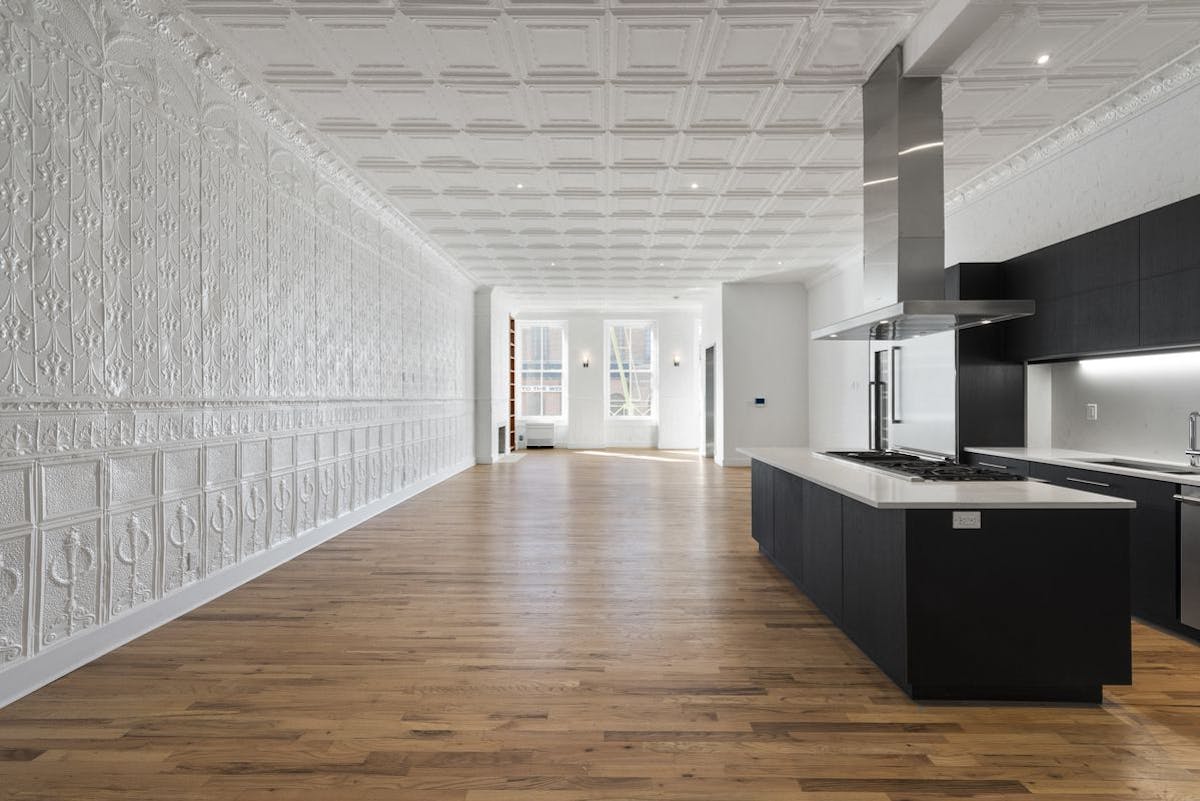
SoMa holds most of the city's large flexible space. Brick and concrete warehouses with high ceilings, roll-up doors and street-level loading are common here and almost absent from the neighborhood corridors. If your event needs depth, clear span, or heavy staging, SoMa by default carries the largest inventory of cheaper large spaces.
The Mission and Valencia are the neighborhood alternatives. Mission Street runs the working commercial spine with BART stations, bus routes and everyday retail; Valencia one block west is the browsing corridor lined with Victorian storefronts. Both carry smaller ground floors in historic buildings, charming, constraining, and cheaper than the downtown core. A launch or community event here costs less but fits a narrower floorplate.
Union Square and the Financial District command the highest rates. Stockton Street and Powell Street draw the most visitor foot traffic, and spaces here are positioned for high-profile brand launches rather than budget events. The Financial District trades on a weekday clock and is nearly empty on weekends, which shapes what kind of event makes sense where.
Hayes Valley and Fillmore sit between the two extremes: strong neighborhood corridors with boutique retail, pedestrian energy, and mid-range pricing. Both carry organized merchants associations and seasonal closures that shape footfall, so check the corridor calendar before committing dates.
Event Space Types and Uses
Warehouse and loft spaces dominate the cheap end because they were built for production and storage, not retail display, and they offer what pop-ups and events actually need: high ceilings, structural column-free spans, roll-up doors and loading access. Most sit in SoMa or Bayview under PDR zoning that deliberately keeps them affordable by excluding housing and large-scale retail.
Small ground-floor retail units on neighborhood streets work for product launches, tastings, gallery shows and community events. They range from one narrow bay in a Victorian building to a small corner unit, typically 300 to 800 square feet. They carry their own character and foot traffic, which matters for an event that wants to draw walk-in attendance.
The city's event venues, the Moscone Center, historic theaters, art galleries and cultural spaces, sit at the opposite end of the price spectrum and are not part of the cheap event space search. The spaces Storefront lists are owner-occupied properties: storefronts, offices, warehouses and lofts whose owners rent them short-term.
Pricing and Duration
Daily rates for cheap event space in San Francisco range from around $1,050 to $2,300 depending on size, location and the space type. A 1,000-square-foot warehouse in SoMa starts lower. A 300-square-foot ground floor on Valencia or in Hayes Valley sits in the mid-range. Spaces on Stockton Street or in the Financial District cost substantially more.
Final rates depend on duration, exclusivity, and event timing. Pricing shown reflects typical asking ranges for spaces in the area; final booking terms are negotiated directly with the host.
Rent by the day for a one-off launch or conference. Negotiate a weekly or monthly rate if you're running a series or an extended activation. The commercial vacancy tax in San Francisco rewards landlords for filling empty storefronts, so availability and pricing improve on neighborhood shopping streets if you book for a few weeks rather than a single day.
When to Book
September and October are San Francisco's best-weather months and the busiest for events. Clear skies and warm temperatures drive outdoor activations, street fairs and warehouse opens. If you need that window, start looking in June.
June is Pride month and carries significant commercial demand. The Castro, the Mission and SoMa concentrate brand activations in the final week, and visitor numbers rise sharply.
Late November through mid-December is the holiday retail season. Union Square and the neighborhood corridors are busy in different weeks: downtown earlier in November, driven by hotel guests and office parties; the neighborhood streets later in December, driven by residents shopping close to home.
Late January and February bring Lunar New Year, one of the largest retail seasons in San Francisco. Chinatown trades heavily for the two weeks around it, and demand extends into Union Square and the western neighborhoods.
August is the slowest month. Visitor numbers peak from June through August despite the summer fog, so the waterfront and Haight Street stay busy, but the neighborhood corridors quiet down when residents leave for cooler weather elsewhere.
Permits and Logistics for Events
Pop-up retail is a named use in the San Francisco Planning Code. A Temporary Use Authorization from the Planning Department covers pop-up retail, arts activity and entertainment uses for up to three years in all zoning districts except residential ones, provided the space either is already vacant or already carries a legally established commercial use.
The city waives business registration, application and permit fees in the first year a new business operates in San Francisco, provided it has five million dollars or less in gross receipts. That runs while appropriated funds last.
Entertainment at a venue requires a separate permit from the Entertainment Commission if amplified, outdoor, or running past ten at night. A limited live performance ending by ten, acoustic sets, a DJ, a reading, a small performance indoors, can run without a permit. Anything larger or later needs a One Time Outdoor Event permit, applied for at least two weeks ahead.
Serving food at a temporary event requires a temporary food facility permit from the Department of Public Health, applied for per vendor and per day. A handwashing station with warm water is required wherever food is prepared or sampled.
Once a space holds a crowd, assembly occupancy rules govern how many people may legally occupy it, how many exits are needed, and whether a fire watch is required. The number a space can legally hold is frequently well below the number it looks like it could hold, so confirm with the landlord before planning your headcount.
Deliveries to neighborhood storefronts are constrained by timed commercial loading zones enforced actively, with little or no overflow space. Anyone planning a build-out or stock delivery should confirm the loading arrangement before signing.
Accessibility is a live commercial risk. Every commercial lease in California must state whether the premises have been inspected by a Certified Access Specialist. A property with a current inspection report protects the occupier; a property without one does not. On an old San Francisco storefront with a step up from the pavement, that step excludes customers in wheelchairs and is worth reading before signing.
Getting Around
SoMa, Showplace Square, Potrero Hill and Bayview sit beside freeway ramps on flat ground with straightforward service access. The Mission has BART under Market Street with stations at Sixteenth and Twenty-fourth; the Central Subway added Fourth and Brannan in 2023. Hayes Valley and Cow Hollow are bus-served only and hillier. Union Square and the Financial District sit above BART with multiple stations and cable car lines.
One card, Clipper, works across every operator in the region. That matters because it makes a cross-region journey frictionless, so your event can draw from the whole Bay Area rather than only from the city.
Kerb parking is scarce, enforced hard and expensive across the whole eastern half of the city. Customers arriving by car should be directed to the large public garages under Union Square or at the Fifth and Mission corner. Kerb parking is reasonable on the western side.
FAQ
What makes an event space cheap in San Francisco?
Cheap event space usually means warehouse or loft stock in SoMa, smaller ground floors in historic buildings on neighborhood shopping streets, or spaces in the outer districts away from the downtown core. Avoid Stockton Street, Powell Street and Maiden Lane unless you need the foot traffic; the neighborhoods around Valencia, Mission, Hayes and Fillmore cost substantially less.
Can I negotiate a lower rate if I book for longer?
Yes. Daily rates are the reference point, but weekly and monthly rates are lower per day, and landlords are motivated to fill empty storefronts. If you book for a few weeks rather than a single day, you can negotiate down from the listed rate.
Do I need a permit to hold an event in a San Francisco space?
It depends on the use. Pop-up retail, arts activity and entertainment uses are named uses in the Planning Code and covered by a Temporary Use Authorization, available for up to three years. Entertainment, food service, and assembly occupancy each have their own permits. Check with the space owner and the Planning Department before finalizing dates.
What's the difference between the Mission and Hayes Valley for events?
Both are neighborhood shopping streets with character and foot traffic. The Mission is larger, cheaper and busier on weekdays; Hayes Valley is smaller, slightly pricier and has stricter chain-store controls. The Mission has BART at Sixteenth and Twenty-fourth; Hayes Valley is bus-served only. Both work for launches and community events depending on your audience and dates.
Which season is best for booking cheap event space?
September and October have the best weather and the busiest event calendar. June (Pride month) and late November through mid-December (holiday season) are strong. August is the slowest. Rates and availability change with the calendar, so book early in the peak season and expect to negotiate better terms if you book in the slower months.
Is SoMa the only place to find large cheap event space?
Large spaces sit almost entirely in SoMa because the neighborhood corridors are lined with historic Victorian and Edwardian buildings built for retail, not warehousing. The warehouse and loft stock that gives you depth and clear span is a SoMa-specific advantage. Other neighborhoods work well for smaller events, but for anything needing more than 2,000 square feet, SoMa is the natural choice.
Explore more: Event Space Rental · event space in San Francisco