What Counts as a Large Exhibition Space in Paris?
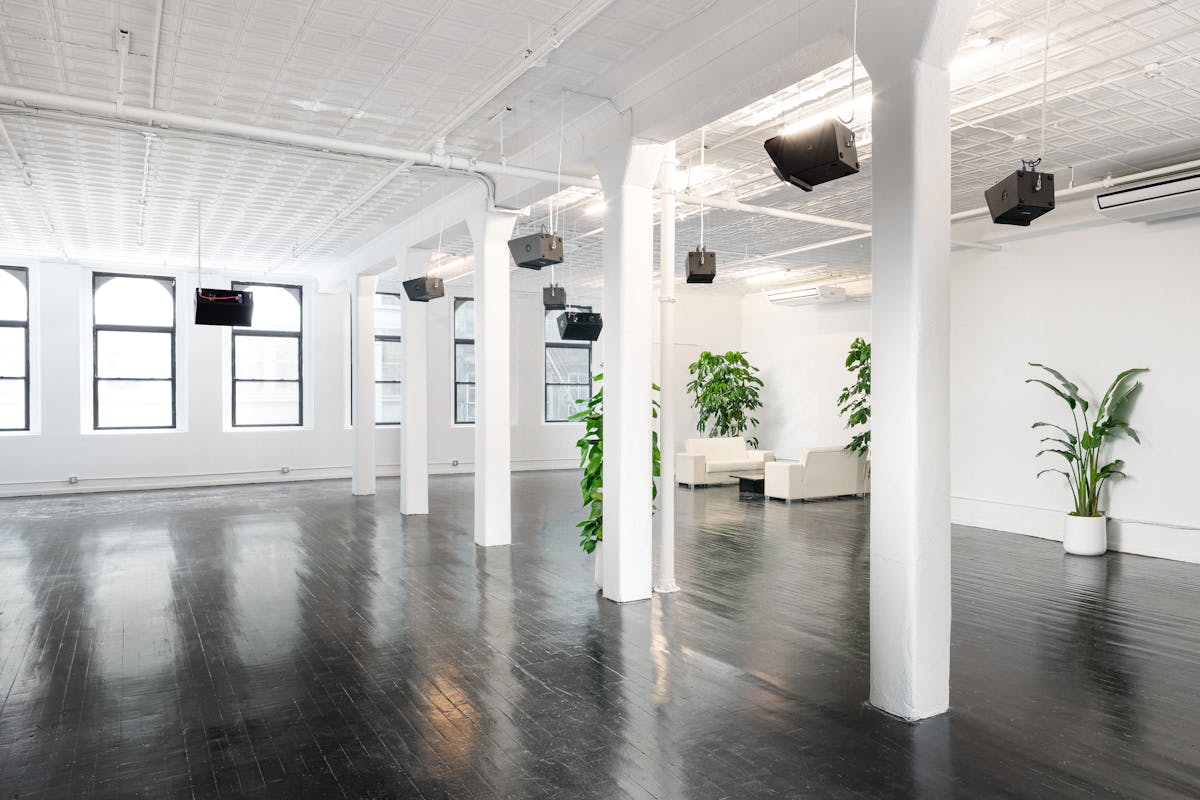
A large exhibition space in Paris is generally a ground-floor or multi-level venue with ceiling heights that accommodate freestanding installations, partitions and display structures. Many brands and institutions define large by capacity rather than footprint.
These spaces are used for art fairs, trade presentations, product launches, corporate events, and short-run gallery shows. The key distinction from a showroom or a pop-up shop is presentation depth: a large exhibition space is designed to be walked through, not browsed at a counter.
Where Large Exhibition Spaces Cluster in Paris
Paris has distinct pockets of exhibition activity, shaped by its gallery history, its event calendar, and the physical stock of large ground-floor premises.
-
Le Marais (3rd and 4th arrondissements) is the densest area for contemporary art spaces and gallery-adjacent venues. The upper Marais around Rue de Bretagne and Rue de Turenne holds a high concentration of independent spaces and concept venues, and the 4th sits in a designated tourist zone where Sunday trading is permitted, a genuine commercial advantage for a show running across a full week.
-
Bastille and the Faubourg Saint-Antoine (11th and 12th arrondissements) carry a legacy of workshop and craft spaces that translate well into exhibition use. The area around the Viaduc des Arts and the 11th's active independent scene makes it a practical base for brands that want scale without the premium of the 8th.
-
The 8th arrondissement and the Triangle d'Or sit at the top of the prestige register. Space here is taken for brand statements and high-visibility presentations rather than volume. Gallery and collector activity concentrates around the 8th during Art Basel Paris, held at the Grand Palais.
Large Exhibition Spaces vs. Showrooms vs. Pop-Up Shops
These three space types are often searched interchangeably, but they serve different purposes.
-
Large exhibition spaces prioritize visitor circulation and visual presentation over transaction. Ceiling height, open floor plans, and neutral wall finishes are the key requirements.
-
Showrooms are trade-facing and appointment-driven. They are typically smaller and configured around product display rather than crowd flow. The Sentier district and the upper Marais are the main showroom clusters in Paris.
-
Pop-up shops are transactional and consumer-facing, with a counter or till as the operational centre. They sit on high-footfall streets and are sized to handle throughput.
If the primary goal is a curated visitor experience with installation depth, large exhibition spaces for rent in Paris are the right category.
How to Keep Costs Down on Large Exhibition Space Rental in Paris
Rates for large exhibition spaces vary by location, size, fit-out level and timing. There is no single market rate, and the gap between a raw warehouse in the 11th and a dressed venue in the 8th is significant. The levers a renter controls:
-
Timing. Demand peaks around Art Basel Paris in late October, Paris Fashion Week in late September and early March, and the run-up to Christmas. Booking outside these windows, or booking early enough to secure a slot before prices firm, is the most effective lever.
-
Duration. A multi-week booking almost always yields a better daily rate than a single-day hire. Hosts price continuity.
-
Floor level and fit-out. A raw, unfitted space costs less than a dressed one. If the brand is bringing its own installation build, a raw space is the better buy.
-
Position. A venue one or two streets off the main gallery cluster in the Marais or the 8th asks materially less than one on the primary axis, while still drawing the same audience.
FAQ
What size is considered a large exhibition space in Paris?
The more practical measure is ceiling height and column-free floor area. A space with room for freestanding structures qualifies as large for most exhibition purposes. Paris has a significant stock of former industrial and Haussmannian commercial premises that meet this brief.
How long can I rent a large exhibition space for?
Rentals in Paris typically run from a single day to several months. Short-term commercial occupation is handled under the bail dérogatoire, the French legal instrument for temporary leases, which keeps the arrangement outside the protections of the standard nine-year commercial lease provided the total duration does not exceed three years. For a one-week show or a two-week art fair, a simple short-term agreement is the norm.
Can I customise the layout of an exhibition space I rent?
This depends on the individual space and what the host permits. Raw and semi-fitted spaces usually allow full fit-out, including partitioning and temporary wall builds, provided the renter reinstates the space on departure. Dressed venues with existing fixtures may limit structural changes. The listing and the booking agreement set the terms: confirm fit-out permissions with the host before signing.
When is demand for large exhibition spaces highest in Paris?
Demand peaks during Art Basel Paris in late October, Paris Fashion Week in late September and early March, and in the four to six weeks before Christmas. August is the quietest month, when much of the city's independent scene closes. Booking outside peak periods or well in advance of them gives the widest selection and the most room to negotiate on rate.
Do I need any permits to run a public exhibition in Paris?
Requirements depend on the space, the activity, and the expected audience size. A venue open to the public is classified as an établissement recevant du public under French safety rules, which carries obligations around access, exit routes and capacity. The specifics are worth confirming with the host and the local authority before the event opens. Storefront listings are qualified before going live, but compliance with local rules is the renter's responsibility.
For a broader view of art and exhibition spaces across Paris, browse Art Gallery Exhibition Space For Rent or explore art space in Paris to see the full range of available venues. For the Marais specifically, Le Marais is the densest cluster for contemporary exhibition activity. If you are also considering a working studio or creative space alongside your exhibition, art space in Paris covers that adjacent category.