What Is a Large Exhibition Space?
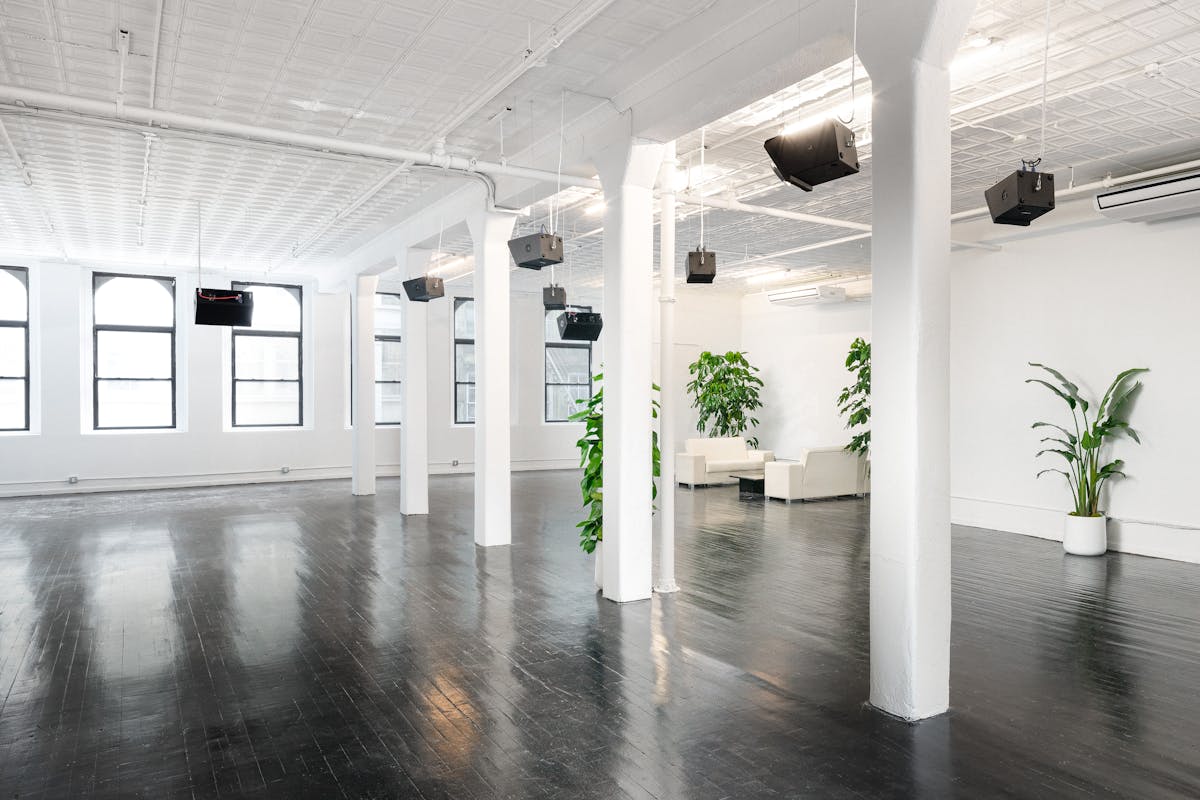
A large exhibition space typically spans 1,500 square feet or more and is purpose-built or adaptable for temporary events. These venues accommodate:
-
Art galleries and fine art exhibitions
-
Trade shows and B2B expos
-
Product launches and brand activations
-
Fashion shows and pop-up collections
-
Experiential pop-ups and installations
Each use case has different spatial and technical requirements. Art galleries often prioritize wall space, lighting control, and climate stability. Trade shows need floor capacity, utility access, and loading logistics. Fashion events require runway space, height clearance, and dressing facilities. Product launches blend showroom aesthetics with event seating.
Finding the Right Large Exhibition Space
When booking a large exhibition space in Los Angeles, consider:
Layout and Flexibility. Can the space be reconfigured? Are columns, load-bearing walls, or fixed elements a constraint? The best venues offer open floor plates or modular sections.
Height and Load Capacity. Ceiling height matters for installations, runway setups, and ambient design. Verify structural capacity if you are hanging heavy displays or rigging lighting.
Light Control. Many large spaces have warehouse-style skylights or industrial windows. Confirm blackout capability if you need to control ambient light.
Access and Delivery. Check loading dock dimensions, parking for delivery trucks, and elevator or stair access to upper floors. Setup hours and move-in logistics vary by venue.
Insurance and Liability. Requirements depend on the space, the event type, and local authority. Many venues carry general liability; some require renters to carry additional coverage. Confirm terms with the space owner before booking.
Booking Lead Time. Large exhibition spaces often require 2–6 weeks' notice for availability and setup. Popular neighborhoods and peak seasons (holiday retail, art fairs, fashion weeks) book faster.
Exhibition Spaces by Neighborhood
Arts District. The city's creative hub, with industrial lofts, converted warehouses, and artist studios ranging from raw concrete to finished white-box galleries. High foot traffic from creatives, collectors, and tourists. Ideal for art exhibitions, design showcases, and emerging-brand pop-ups.
Explore art space in Los Angeles.
Downtown Los Angeles. DTLA spans historic buildings, modern office towers, and adaptive-reuse spaces. The area attracts corporate events, trade shows, press conferences, and B2B expos. Parking and transit accessibility are strong; event insurance and compliance vary by building.
Browse large exhibition spaces in Los Angeles.
Santa Monica. Beachside venues with high foot traffic, upscale retail adjacency, and a tourist audience. Popular for fashion pop-ups, lifestyle brands, seasonal activations, and product launches. Spaces range from street-level storefronts to second-floor galleries.
Find Art Gallery Exhibition Space For Rent.
Culver City. Home to film studios, tech companies, and a growing creative community. Industrial and creative spaces appeal to tech product launches, immersive experiences, and media events. Typically more affordable than Arts District or Santa Monica.
Discover art studio space in Los Angeles.
West Hollywood. High-end retail and entertainment district. Spaces here attract luxury fashion, beauty launches, and celebrity-facing events. Premium rates and tight booking windows during awards season and fashion events.
Explore more Art Studio Space.
FAQ
How much does it cost to rent a large exhibition space in Los Angeles?
Prices vary widely by neighborhood, size, amenities, and duration. Downtown and Arts District spaces often rent lower per square foot than West Hollywood or premium Santa Monica beachfront. Daily rates range across seasons and demand cycles. Talk to the space owner directly on the platform to confirm availability and pricing for your dates.
What counts as 'large' for exhibition purposes?
Large typically means 1,500 square feet or more, though some venues scale to 5,000–10,000+ square feet. Verify exact dimensions with the listing; a 2,000-square-foot space with high ceilings and open layout can feel very different from a 3,000-square-foot space divided by columns or walls.
Can I customize the layout, lighting, and décor?
It depends on the venue. Many spaces allow you to bring in your own lighting, furniture, and installations. Some charge an additional fee for setup labor or technical support. Raw industrial spaces offer maximum flexibility; finished galleries may have fixed lighting or wall treatments. Confirm customization scope with the owner before booking.
How far in advance should I book?
Popular neighborhoods (Arts District, Santa Monica, DTLA) book 4–8 weeks out during peak seasons (holiday retail, art fairs, fashion weeks). Off-peak, 2–3 weeks is typical. Larger spaces and multi-week events should be reserved further ahead. Check availability on the listing and reach out early if your dates are firm.
What insurance or permits do I need?
Insurance and permit requirements depend on the space, the event type, the attendance expected, and local authority. Some venues carry general liability and require you to confirm coverage. Others ask for proof of renter's insurance or an event permit from the city. Discuss these with the space owner early; they will outline what is needed for your specific event.
Are load-in, setup, and breakdown hours included in the rental?
Setup hours vary by venue. Some include a few hours before and after the event window; others charge separately for extended access. Confirm the exact timeline, access to loading areas, and any restrictions (e.g., noise curfews, parking, building hours) when you enquire. This is especially important for heavy installations or complex setups.