What counts as small retail space
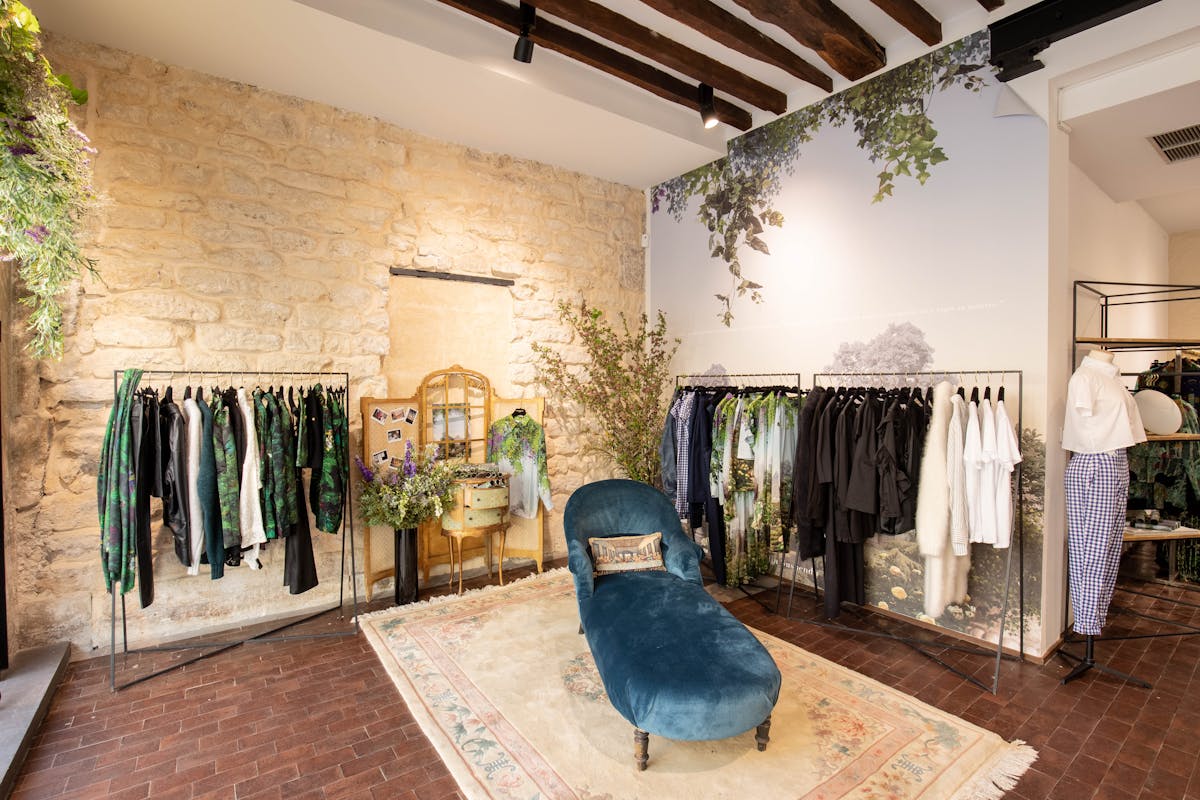
Small retail space in Paris typically ranges from 10 to 50 square meters, offering intimate settings perfect for pop-up shops, temporary showrooms, galleries and short-term brand activations. This size works well for single-brand launches, limited editions, artist exhibitions and seasonal retail without the overhead of larger commercial leases. The compact footprint keeps operating costs manageable and lets you test a location or market before committing to longer-term space.
Where small retail thrives in Paris
Small retail concentrates in Paris's most visited and economically active quarters. Le Marais in the 3rd and 4th arrondissements is the densest neighborhood for independent fashion boutiques and concept stores, especially around Rue de Bretagne and Rue de Turenne. The 11th arrondissement around Bastille and the streets of the Faubourg Saint-Antoine draw younger, independent retail and nightlife activity. Sentier in the 2nd arrondissement, the historic center of the Paris garment trade, remains active for showroom and wholesale activity. Canal Saint-Martin between the 10th and 11th arrondissements skews toward younger, independent brands testing the market. Saint-Germain-des-Prés on the Left Bank mixes established fashion, art galleries and design showrooms. Each neighborhood carries its own retail character and customer profile, so choosing the right street matters as much as choosing the arrondissement.
Typical rental rates and terms
Small retail space in Paris starts from €250 to €475 per day for short-term pop-ups and events. Weekly rentals run from €1,288 to €2,500 depending on location, exclusivity and season. Monthly rates typically range from €3,600 to €7,000 for the lower half of the market. Final rates depend on duration, exclusivity, and event timing. Pricing shown reflects typical asking ranges for spaces in the area; final booking terms are negotiated directly with the host.
Most small retail rentals run on short-term leases, often using the bail dérogatoire (derogatory lease), which lets both landlord and tenant agree on temporary occupation without triggering the protective nine-year commercial lease regime. This flexibility is essential for pop-ups and seasonal activations. Typical rental periods range from a single day to several months, making small retail accessible to brands of all sizes and activation budgets.
Use cases for small retail space
Small retail rental serves multiple purposes across the calendar. Pop-up shops use the space for limited-time brand activations, seasonal collections or flash sales during peak trading periods like the Christmas run-up and the soldes discount seasons in January and June. Showrooms offer a dedicated venue for fashion brands to display lines to buyers and press, especially around Paris Fashion Week in late January, March, June and September. Galleries host artist exhibitions, designer trunk shows and cultural events. Event spaces accommodate product launches, tasting rooms, and brand experiences. The flexibility of small retail lets you match the space to your activity and duration without long-term financial commitment.
Neighborhoods and districts worth exploring
Each Paris arrondissement carries distinct retail character and customer flow. The 1st, around Place Vendôme and Rue Saint-Honoré in the western half, concentrates luxury retail; the eastern half around the Forum des Halles carries mainstream ready-to-wear. The 2nd's Sentier holds wholesale and showroom activity. The 3rd's upper Marais (Rue de Bretagne, Rue de Turenne) is dense with independent fashion boutiques and concept stores. The 4th covers the southern Marais and Hôtel de Ville, with Sunday trading permitted in the Marais zone. The 6th, Saint-Germain-des-Prés, mixes established fashion, galleries and design. The 8th's Triangle d'Or between Avenue Montaigne and the Champs-Élysées holds luxury flagships. The 9th anchors on the Boulevard Haussmann department stores with heavy commuter footfall. The 11th around Bastille and Oberkampf is active for nightlife and independent retail. Smaller neighborhoods like Batignolles in the 17th and Abbesses in the 18th carry village-feel independent retail with local customer bases.
FAQ
What neighborhoods are best for small retail in Paris?
Le Marais (3rd and 4th arrondissements) is the densest and most visited quarter for independent retail, especially around Rue de Turenne and Rue de Bretagne. Bastille in the 11th offers nightlife and independent energy. Sentier in the 2nd suits showroom and wholesale-facing brands. Saint-Germain-des-Prés on the Left Bank draws an established, affluent customer. Canal Saint-Martin attracts younger, trend-focused shoppers. The best choice depends on your target customer and brand positioning.
Can I rent small retail space on a short-term basis?
Yes. Most small retail in Paris operates on flexible short-term rental agreements, from a single day to several months. This flexibility is a core advantage of small retail space compared to traditional nine-year commercial leases. Rates and terms vary by space, location and duration, so confirm with the space owner.
What does 'small' mean in square meters?
Small retail typically ranges from 10 to 50 square meters. This size accommodates pop-up shops, showrooms, galleries and brand activations without the overhead of larger retail units. The compact footprint makes it ideal for testing a location, launching a limited edition, or hosting a time-bound event.
Are there seasonal peaks for small retail rental in Paris?
Demand for small retail space peaks around Paris Fashion Week in late January, early March, late June and late September to early October. The Christmas period from mid-November through December is the densest trading season. August is typically quiet, when much of the city's independent retail closes for summer holidays. Weekend activity is strong year-round, and Sunday trading is permitted in designated zones like Le Marais and the 4th arrondissement.
What permits and regulations apply to small retail in Paris?
Requirements depend on the space and the local authority, and are worth confirming before booking. Ground-floor retail in Paris may sit on protected commercial streets (linéaire de protection du commerce et de l'artisanat) where use is restricted to retail or certain services. Some arrondissements permit Sunday trading, others do not. If you're bringing in temporary fixtures or stock from outside France, an ATA carnet may simplify customs and VAT. A short-term derogatory lease (bail dérogatoire) is the standard instrument for temporary occupation, letting both parties bypass the protective nine-year commercial lease regime.
What's the difference between a pop-up shop and a showroom in small retail space?
A pop-up shop is typically a retail sale event or brand activation open to customers, often running from a few days to a few weeks. A showroom is a presentation space for brands to display their range to buyers, press and industry visitors, often during fashion weeks or trade periods. Both use small retail space, but a pop-up is customer-facing sales; a showroom is trade-facing or invitation-based. The permit and operational requirements can differ, so confirm with the space owner and the local authority.
Explore more: Pop-Up Store Rental · Storefront With Apartment