Why rent small retail in San Francisco
San Francisco's retail landscape splits between two distinct economies. Downtown Union Square and the Financial District peak on weekdays, driven by office workers, hotel guests and conventions like Dreamforce. The neighborhood shopping corridors, Valencia, Hayes, Fillmore, Union and Chestnut, draw residents and weekend visitors and are busiest exactly when downtown is quiet.
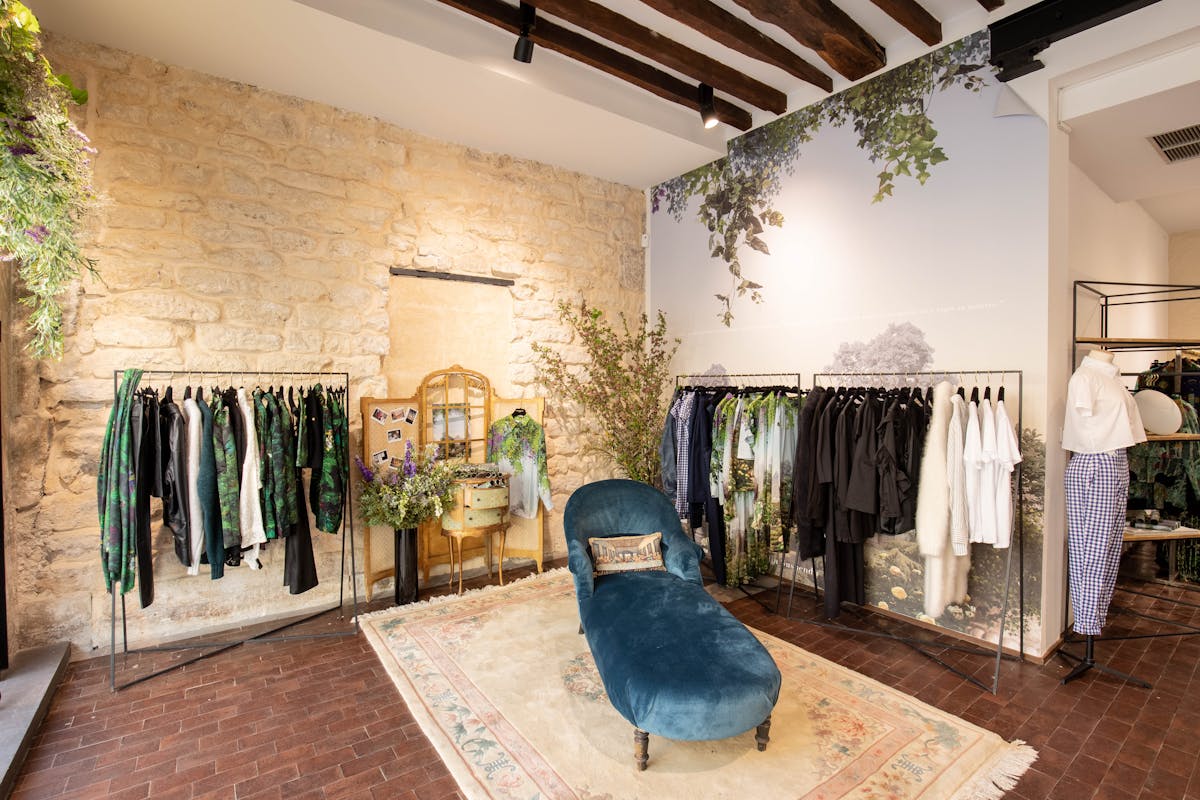
Most small retail space outside the downtown core sits in Victorian and Edwardian buildings with narrow frontages and modest floor areas. That format suits a single-brand pop-up and works against anything needing a wide span or deep floor. The upside is character: these corridors are dominated by independent boutiques, design stores and single-site restaurants rather than chain retail, which sets a visitor's expectation and makes a short-run brand activation count.
Neighborhoods for small retail
Mission District
The Mission is the city's oldest neighborhood and its densest commercial one, running roughly from Duboce south to Cesar Chavez and from Guerrero east to Potrero. Two parallel shopping streets trade almost as different neighborhoods: Mission Street is the working commercial spine, wide and busy with everyday retail, groceries and long-standing family businesses. Valencia one block west is the browsing corridor and one of the most-walked shopping streets in the city.
Valencia's tenant mix is dominated by independents: bookshops, design and homeware stores, apothecaries, vintage and small galleries. The storefronts are small, individually fronted units with recessed entrances and large display windows. The Mission is also the sunniest and warmest part of San Francisco, sheltered from ocean fog by the hills to its west, which means reliable weather for outdoor dining and street activity.
Peak booking periods in the Mission cluster around Lunar New Year in late January or February, the holiday retail season from mid-November through December, and summer weekends. Carnaval San Francisco runs over the Memorial Day weekend at the end of May with a street festival and parade through the neighborhood.
Hayes Valley
Hayes Valley exists in its current form because a freeway came down. The elevated Central Freeway was demolished after the 1989 earthquake, turning a shadowed district into one of the city's best shopping neighborhoods within a decade. Patricia's Green, a small park built on the old freeway footprint at Hayes and Octavia, is the neighborhood's center of gravity.
Hayes Street between Franklin and Laguna is the commercial heart, five or so blocks of continuous ground-floor retail. It carries the most concentrated independent fashion and design tenancy in San Francisco: menswear and womenswear boutiques, shoes, eyewear, jewelry, ceramics and interiors interleaved with coffee and restaurants. The street is short, flat and almost fully occupied, which makes availability here scarce and the corridor an unusually reliable trading environment.
The units on Hayes are small ground floors in Victorian buildings, most of them a single bay wide with a full-height display window. Hayes Valley has some of the tightest chain-store controls in San Francisco, which is deliberate. The practical consequence for a visiting brand is that the straightforward temporary route is not open here and the approval path is longer than it looks.
SoMa
SoMa, short for South of Market, is the wedge of the city south of Market Street between the Financial District and the Mission. It was laid out on a larger grid than the blocks north of Market, which is why its buildings are bigger, its blocks longer and its alleys more numerous, and why it holds most of the city's warehouse and loft space.
SoMa carries San Francisco's supply of large-floorplate space. Brick and concrete warehouses with high ceilings, roll-up doors and street-level loading are common here and almost absent from the neighborhood corridors. Yerba Buena Gardens sits at Third and Mission, an open lawn ringed by cultural buildings: SFMOMA, galleries, museums and performance venues. The Moscone Center, the city's convention center, spreads across three halls on Howard Street between Third and Fourth and is the single largest driver of visitor demand in San Francisco.
Fillmore and Pacific Heights
Fillmore Street between Jackson and Bush, often called Upper Fillmore, is the neighborhood's main shopping corridor and one of the strongest boutique streets in San Francisco. It runs down the hill in a straight line and carries fashion, beauty, homeware and a heavy weight of cafes and restaurants. It has long been one of the city's most established retail destinations.
Sacramento Street, running west from Fillmore through Presidio Heights, has long been the city's antiques, art and interiors street. It is quieter and more specialist than Fillmore, with a local rather than a citywide catchment.
North Beach and the Financial District
Montgomery Street is the spine of the Financial District and carries the highest concentration of office workers in the city. Its ground floors are banking halls, lobbies and service retail rather than destination shopping, so the retail opportunity here is convenience and workday trade rather than browsing. The Financial District trades on a weekday clock and is the sharpest such pattern in the city: footfall concentrates between Tuesday and Thursday, peaks at lunchtime, and falls away almost completely at weekends.
The Ferry Building at the foot of Market Street is a working ferry terminal converted into a food hall of small permanent stalls, with a farmers market on the plaza outside several days a week. It is the one part of the Financial District that draws visitors and residents at the weekend as well as workers on weekdays.
Seasonal patterns and peak booking periods
San Francisco's best weather is in September and October, not in summer. Cold ocean fog pushes in through June, July and August and keeps the summer months grey and windy, while September and October are the warmest, clearest and sunniest of the year. The city's peak season for outdoor activity and comfortable street-level trading is early autumn.
Lunar New Year, in late January or February depending on the year, is one of the largest retail seasons in San Francisco. Chinatown trades heavily for the two weeks around it, and demand extends well beyond Chinatown into Union Square and the neighborhood corridors.
Christmas trading builds from mid-November and peaks in the last ten days before 25 December, with Union Square and the neighborhood corridors busy in different weeks: downtown earlier, driven by visitors and office parties, the neighborhood streets later, driven by residents shopping close to home. Black Friday, the Friday after Thanksgiving in late November, opens the holiday shopping period and is one of the busiest weekends of the year in Union Square.
Dreamforce, a software industry conference held across the Moscone Center, runs 15 to 17 September 2026 and draws tens of thousands of attendees. It generates more satellite brand activity than anything else in the city's calendar. Frieze Art Week and other art events bring collector and dealer traffic to the galleries and auction houses in SoMa and around Fillmore.
June is Pride month and is a significant commercial season in San Francisco rather than a symbolic one. The Castro, the Mission and SoMa carry the weight of it, and brand activations concentrate in the final week.
Haight Street Fair, a one-day street fair closing Haight Street through the Upper Haight, runs in June with stages at either end and stalls along the length of the corridor. Hardly Strictly Bluegrass, a free three-day music festival in Golden Gate Park, runs 2 to 4 October 2026 (expected; not yet officially confirmed) in early October and draws very large crowds into the western neighborhoods.
Transport and access
San Francisco is built on more than forty named hills inside a city only seven miles across, and the gradients shape how people move. Customers walk a long way on the flat and a short way uphill, which is why the commercial corridors follow the level ground. The city is also small enough to cross in half an hour outside peak, so a well-chosen location can draw from the whole of it rather than from one quarter.
BART is the regional rail system with stations along Market Street at Embarcadero, Montgomery, Powell and Civic Center, then turning south through the Mission to Sixteenth and Twenty-fourth. Those six stations are the city's rapid-transit spine and almost all of the city's highest-footfall retail sits within a few minutes of one. The Central Subway, opened in 2023, extended north from the Caltrain terminus through SoMa and Chinatown, adding four new stations and connecting the convention center, Union Square and Chinatown in a single line.
Muni Metro runs six lettered rail lines. The N Judah is the busiest and runs from the Caltrain terminus through the Lower Haight and the Inner Sunset to Ocean Beach. The T Third runs from Chinatown through Union Square and SoMa down to Mission Bay and Dogpatch. The J Church runs through the Mission and Noe Valley. All of them share the subway under Market Street through downtown.
Where San Francisco has no rail it has a handful of very heavy bus corridors. The 38 Geary is the busiest route in the city. The 14 Mission runs the length of Mission Street. The 22 Fillmore crosses from the Marina through the Fillmore to the Mission.
One card, Clipper, works across every operator in the region: Muni, BART, Caltrain, the ferries and the bridge buses. That matters commercially because it makes a cross-region journey to a single destination frictionless, so a San Francisco location can draw from the whole Bay Area.
Related searches
→ retail space in San Francisco
→ Pop-Up Store Rental
→ Storefront With Apartment
FAQ
What neighborhoods are best for small retail pop-ups in San Francisco?
Mission District, Hayes Valley, Fillmore, SoMa and North Beach each serve different audiences. The Mission and Hayes Valley are strong for independent fashion and design brands. SoMa works for larger installations and events near the Moscone Center and cultural venues. The Financial District suits workday convenience retail. Choose based on your audience: residents and weekend visitors (Mission, Hayes, Fillmore) or office workers and convention attendees (Financial District, SoMa).
How long can I rent a small retail space for?
Leases range from a single day to several months. Storefront spaces accommodate pop-ups, seasonal activations and short-term retail. Terms are negotiated directly between you and the space owner through the platform, so flexibility depends on the individual listing.
What is the typical booking process and timeline?
You enquire on the platform with your preferred dates, then communicate directly with the space owner to confirm details like access, insurance, cleaning and any setup or breakdown requirements. Deposits and insurance are agreed directly with the landlord and vary by space, duration and activity type. Cancellation terms are set out in the booking terms and the individual listing.
When is the best time to book retail space in San Francisco?
Peak demand runs around Lunar New Year (late January or February), the holiday retail season (mid-November through December), and early autumn (September and October). Summer weather is unreliable due to fog, while the Mission and outdoor corridors are warmest and sunniest in September and October. Book well in advance for holiday retail and seasonal events, and confirm your plans around the convention calendar if you are aiming for the Financial District or SoMa.
What permits or insurance do I need to rent retail space?
Permits and insurance requirements vary widely depending on the space, the lease duration, the type of activity and the neighborhood zoning. Temporary retail uses are permitted in most commercial zones, but some neighborhoods have tighter controls than others (Hayes Valley is more restrictive than SoMa, for example). Confirm your specific needs with the space owner and a local advisor before booking, as rules and requirements differ by district and activity type.
How do I know which space size is right for my brand?
San Francisco's neighborhood retail spaces are typically small ground floors in Victorian and Edwardian buildings, often a single bay wide with a recessed entrance and large display window. This format suits a single-brand pop-up and works well for product showcases, events and temporary launches. If you need a wide span, high ceilings or deep floorplate, SoMa and the Financial District carry warehouse and loft conversions that the neighborhood corridors do not have. Browse by neighborhood and floorplan to find the right fit.