What counts as small retail in London
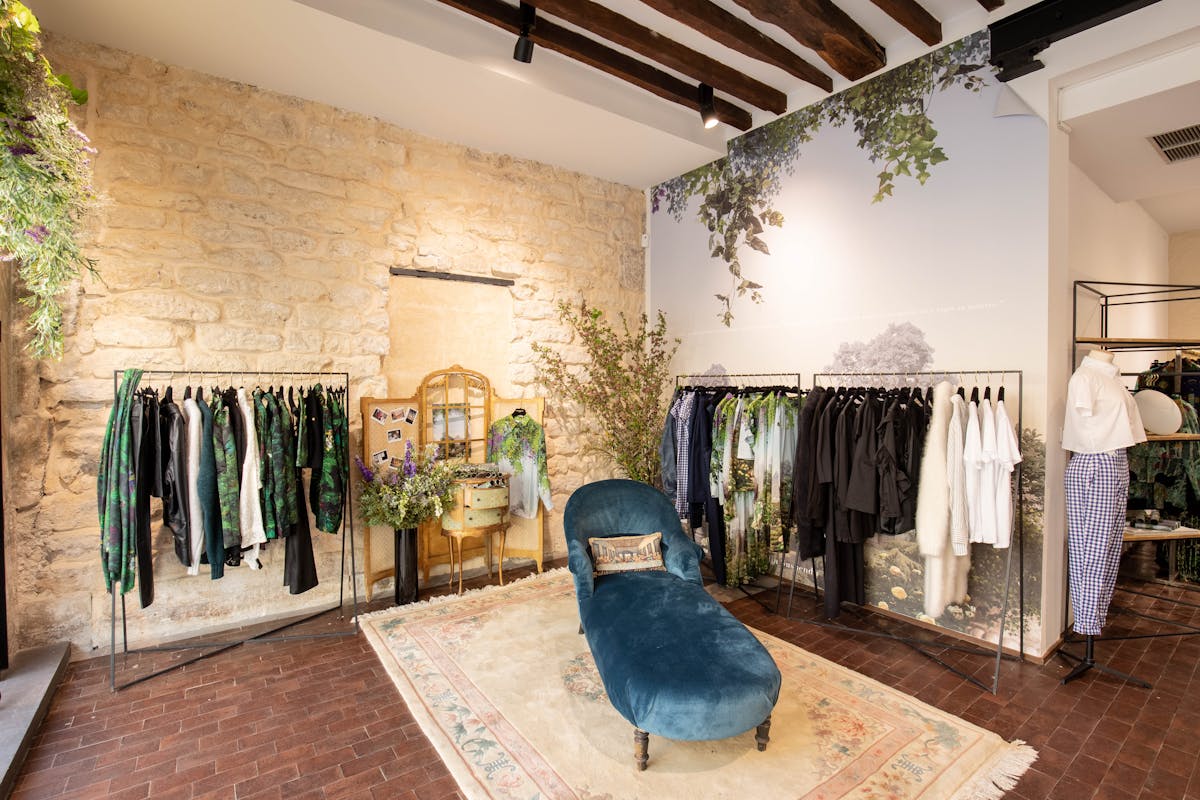
Small retail space in London typically runs between 50 and 500 square metres of ground-floor or upper-floor trading space. The definition matters because London's stock of smaller units differs dramatically from the flagship corridors: outside Oxford Street and Regent Street, most of the city's independent and emerging retail takes ground-floor Victorian and Georgian shopfronts, which are narrow and often split across multiple levels rather than sprawling horizontally.
That structure is an advantage, not a limitation. A narrow frontage on a busy street draws eye-level attention that a large floorplate deeper in a building does not. Many of London's most visible independent shops and successful pop-ups occupy spaces under 300 square metres.
Small retail pricing in London
Daily rates for small retail space in London typically run from £150 to £310 per day, with weekly lettings starting from £613 to £1,500 per week. Monthly space can range from £3,000 to £7,600 depending on location, size and exclusivity.
Pricing clusters sharply by neighbourhood. Shoreditch, Brick Lane and Camden command premium short-term rates because the evening and weekend customer base is predictable and the independent positioning attracts brands seeking that adjacency. The West End and Covent Garden run higher still because of their footfall volume. Quieter high streets and residential districts offer lower entry points.
Final rates depend on duration, exclusivity, and event timing. Pricing shown reflects typical asking ranges for spaces in the area; final booking terms are negotiated directly with the host.
Where small retail clusters in London
Small retail thrives in several distinct London corridors, each with its own customer type and trading rhythm.
Shoreditch and East London
Shoreditch is the highest-demand short-term retail district in London, built on former warehouse and light-industrial stock that opens to narrow ground-floor frontages and raw interiors. The evening and weekend customer skews young and design-conscious, which is why emerging brands and independent labels take space here. Shoreditch remains the entry point for most first-time London pop-ups.
Brick Lane and Spitalfields
Brick Lane is known for vintage retail, street food and weekend markets. Frontages are small, rents run below the West End, and trade is heavily weighted to weekends and evenings. Spitalfields sits minutes away with a covered Victorian market hall trading seven days a week, one of the most established routes into temporary retail in London.
Camden and North London
Camden builds its entire retail proposition around markets and weekend visitor draw. Small units around the canal and inside the market halls trade heavily on Saturday and Sunday, making it ideal for brands whose customer is the domestic tourist rather than the weekday commuter.
Notting Hill and West London
Notting Hill combines a strong weekend visitor draw with an affluent resident base. Small retail here sits on Ledbury Road and Portobello Road, drawing both locals and weekend crowds from the Portobello antiques and street market.
Marylebone and Fitzrovia
Marylebone High Street is deliberately managed to stay independent-leaning, and Marylebone Lane holds the smallest units in the district, each taken by independent retailers. Fitzrovia sits between the West End and Bloomsbury with a media and advertising office population and smaller-scale retail than Oxford Street one block south.
Small retail for pop-ups and activations
Small retail units are the dominant choice for pop-up retail because they lower the financial commitment and allow a brand to test a neighbourhood without the cost and complexity of a large flagship. A pop-up in a small space also forces curation: the limited square metres demand a tight product edit and a clear point of view, which often reads stronger than a sprawling inventory.
Small spaces also allow a brand to book multiple locations simultaneously in different neighbourhoods, a common strategy for national launches or for brands testing which London district drives the strongest trade. That would be impossible at flagship scale.
Small vs. spacious retail
The choice between small and spacious retail space depends on use case, duration and customer type. Small retail excels at curation, at capturing neighbourhood identity, and at testing. A narrow Shoreditch frontage will draw more design-conscious foot traffic than a large anonymous unit on a secondary street.
Spacer retail in flagship locations (Oxford Street, Bond Street, Regent Street) moves volume: the West End is taken for reach across all demographics, not for margin or positioning. A spacious retail space there suits an established brand maximizing sales across a long dwell time.
Most London pop-ups and brand activations take small space in neighbourhood districts, not spacious flagships. The fit between the size of the space and the intensity of the location is what drives the trade.
Seasonal booking patterns
Demand for small retail space peaks around the fashion weeks in February and September, through the run-up to Christmas, and around the autumn art and design festivals. August is the quietest month, when a large share of the city leaves and weekday office footfall drops sharply.
Weekend trading in small retail is typically stronger than weekday trading except in the financial districts and office-heavy corridors. That is why Camden, Portobello Road and Brick Lane book consistently through the year while Canary Wharf and Bank see sharply seasonal volatility.
FAQ
How much does a small retail space cost in London?
Small retail space in London typically costs from £150 to £310 per day, or £613 to £1,500 per week. Monthly rates run from £3,000 to £7,600. Prices vary by neighbourhood, duration and exclusivity, with Shoreditch and the West End commanding premiums and residential high streets offering lower entry points.
What size counts as small retail?
Small retail typically ranges between 50 and 500 square metres. In London, most small retail units are narrow Victorian or Georgian shopfronts, often split across multiple levels rather than sprawling horizontally. That narrow frontage is an advantage on busy streets, drawing eye-level attention that larger spaces deeper in a building do not.
Can I book a small retail space by the day?
Yes. Many of London's small retail spaces book by the day, particularly in high-footfall neighbourhoods like Shoreditch, Brick Lane, Camden and Covent Garden. Daily rates start from around £150 and run up to £310 depending on the location and the season.
Which London neighbourhoods are best for small retail?
Shoreditch, Brick Lane, Camden, Notting Hill and Covent Garden are the strongest clusters for small retail, each with distinct customer types and trading rhythms. Shoreditch and Brick Lane skew toward evening and weekend trade; Camden is weekend-weighted; Marylebone and Notting Hill combine resident and visitor footfall; and Covent Garden is high-volume daytime and tourist-driven.
Can I book multiple small spaces in different London neighbourhoods?
Yes. Small retail makes it practical to book several locations simultaneously, a common strategy for national launches or for testing which London neighbourhood drives the strongest trade. That would be difficult to execute at flagship scale.
What is small retail used for in London?
Small retail in London hosts pop-up shops, brand activations, independent retail, pilot stores, gallery and showroom concepts, and event-driven temporary retail. The limited square metres demand curation and a clear point of view, which often reads stronger than a sprawling inventory in a larger space.
Explore more: Pop-Up Store Rental