

Designing a small pop up shop requires precision.
Limited square footage does not mean limited impact. With the right strategy, a compact retail unit can feel open, intentional, and commercially effective.
While overall pop up store design defines branding and atmosphere, small-space planning requires additional discipline. If you’re looking for a broader framework, start with our guide to pop up store design. This article focuses specifically on small pop up shop design ideas that maximize visibility, storage, and customer flow.
Below are 14 proven strategies to transform a compact retail space into a high-performing environment.
1. Stick With White or Light-Toned Furniture

2. Use Transparent Materials
Glass or acrylic shelving creates visual lightness.
Transparent tables and display units reduce visual obstruction and allow products to stand out without crowding the space. This technique is particularly effective in narrow storefronts.
3. Expand the Space With Mirrors
Mirrors remain one of the most effective small retail design tools.
Large mirrors reflect both light and movement, creating depth and breaking up blank walls. For apparel-focused pop-ups, mirrors also support product trials and increase dwell time.
Bigger mirrors tend to be more effective than small decorative ones.
4. Layer Your Lighting Strategically
Lighting plays a major role in small pop up shop design.
Instead of relying on one strong overhead light, layer multiple light sources:
- Suspended lighting
- Spotlights
- Floor lamps
- Accent lighting
A well-lit store with minimal shadows feels larger and more welcoming than a poorly lit space with greater square footage.
5. Use the Floor to Create Visual Depth
Flooring choices influence perception.
Monochromatic flooring paired with light walls can create the illusion of expansion. Diagonal tile placement or elongated floor patterns can visually stretch a narrow unit.
These subtle details can dramatically shift how customers experience your space.
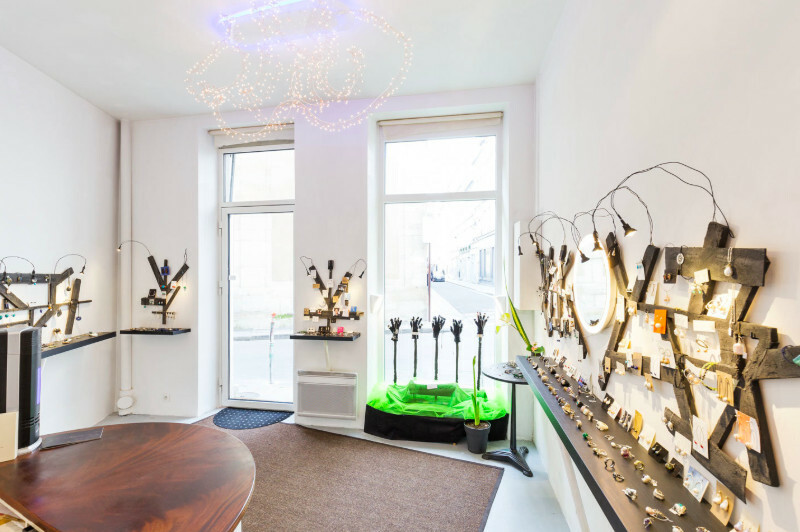
6. Optimize Every Nook
In compact pop-ups, unused space is wasted opportunity.
Consider:
- Using stair edges as display platforms
- Converting railings into handbag displays
- Installing narrow ledges for accessories
Small adjustments can increase merchandising surface without disrupting flow.
7. Design Vertically
When floor space is limited, think upward.
Wall-mounted racks, high shelving, and vertical displays allow you to maintain circulation space while increasing product capacity.
Just ensure high-mounted items remain accessible and well lit.
If you are still refining your floor plan, review our guide to pop up store layout to ensure vertical design integrates with customer flow.
8. Add a Central Island — Carefully
Many small retailers instinctively avoid central displays.
However, a slim-profile central island can:
- Guide traffic naturally
- Increase display surface
- Create structure within the space
The key is proportion. A narrow carpenter’s bench or minimal table often works better than bulky cabinets.
For creative display concepts that suit compact footprints, explore our guide to pop up store display ideas.
9. Personalize the Space
Small does not mean generic.
Bold artwork, custom shelving, or playful installations create character without increasing footprint.
Distinct personality helps customers remember your brand, even in limited square footage.
10. Vary Display Angles
Avoid displaying all products in the same orientation.
Mix:
- Front-facing racks
- Side-facing rails
- Folded table displays
Variation encourages visual movement and makes the store feel larger than it is.
11. Organize by Color
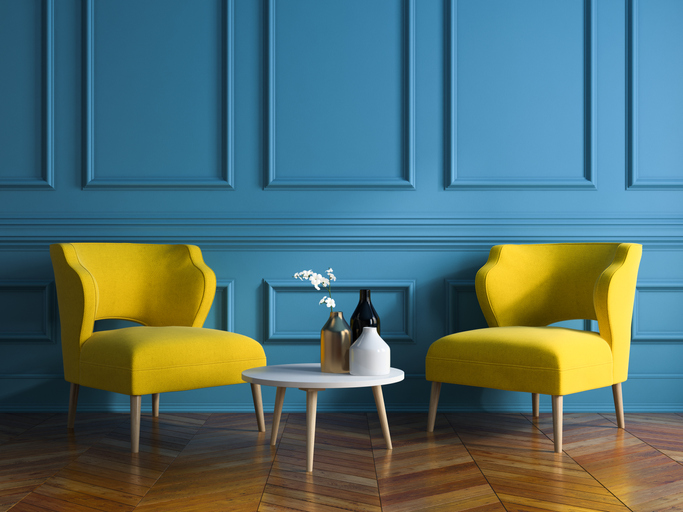
Color coordination creates visual clarity.
Grouping products by tone or shade introduces rhythm and perspective. Organized displays reduce clutter and enhance perceived spaciousness.
12. Choose One Large Statement Fixture
Contrary to popular belief, multiple small pieces of furniture can overwhelm a small space.
Instead, select one bold, well-proportioned fixture that anchors the room. A single large unit often feels more intentional and less chaotic than several small pieces.
13. Use Curves to Soften Angles
Round mirrors, circular rugs, and curved tables soften rigid corners.
Curves create fluidity and disrupt the perception of strict measurements, making square rooms feel more dynamic.
14. Create a Cozy, Intentional Atmosphere
Not every small pop-up needs to feel expansive.
Some benefit from intimacy. Wallpaper, textured finishes, or temporary decorative panels can create an inviting, immersive environment.
Temporary materials such as removable wallpaper allow you to personalize the space without permanent alterations.
Choosing the Right Size Retail Unit
Small pop up shop design starts with selecting the right footprint.
If you’re targeting high-density retail districts, explore:
Choosing a space aligned with your product scale and customer flow expectations reduces the need for drastic design compromises.
Final Thoughts on Small Pop Up Shop Design
Designing a small pop up shop is an exercise in clarity and intention.
By optimizing vertical space, managing lighting, selecting proportionate fixtures, and maintaining flow, you can transform even the most compact retail unit into a high-impact brand environment.
When executed thoughtfully, small spaces often feel more curated, more intimate, and more memorable than large ones.

Related posts:
 Pop Up Store Layout: Floor Plans and Flow Strategies That Convert
 Pop Up Store Display Ideas: 16 Creative Central Features That Attract Customers
 How to Master Pop Up Store Design: Layout, Displays and Proven Retail Strategies
 What is a pop-up shop? Everything you need to know to try short-term retail
 How to Set Up a Pop-Up Art Gallery: 8 Steps to Renting and Launching Your Exhibition