

Opening a pop-up store does not require a large budget to make a strong visual impact. In fact, constraints often lead to more creative and memorable design decisions. With the right approach, everyday objects, reclaimed materials and simple styling techniques can become powerful visual merchandising tools that enhance your brand story and customer experience.
Before refining decorative elements, ensure your spatial flow is clearly defined using a structured pop up store design strategy. Once layout and zoning are in place, decoration becomes a way to reinforce focal points, guide attention and shape atmosphere.
Here are 14 cost-effective visual merchandising ideas that add personality, structure and engagement to your pop-up environment.
1. Build Modular Displays with Wooden Pallets
Shipping pallets are among the most versatile materials in temporary retail. They can be stacked to create platforms, seating, shelving or tiered product displays. Used intentionally, they introduce height variation and define zones without permanent construction.
Pallets are especially useful near entrances or central focal areas, where elevation helps draw the eye toward featured products.
2. Use Wooden Crates for Flexible Merchandising

2. Use Wooden Crates for Flexible Merchandising
Wine crates, fruit boxes and reclaimed wooden containers can transform into modular shelving or display cubes. Their stackable nature makes them ideal for temporary activations, allowing you to adjust height and density depending on traffic patterns.
When positioned strategically, crates support layered merchandising without crowding circulation paths defined in your layout plan.
3. Add Softness with Florals and Greenery

Artificial flowers, dried arrangements or low-maintenance plants introduce texture and warmth into industrial or minimalist spaces. Greenery softens hard lines and creates visual pauses between display zones.
Use plants to frame product tables, highlight transitions between areas or create subtle boundaries without blocking sightlines.

4. Incorporate Vintage or Secondhand Furniture
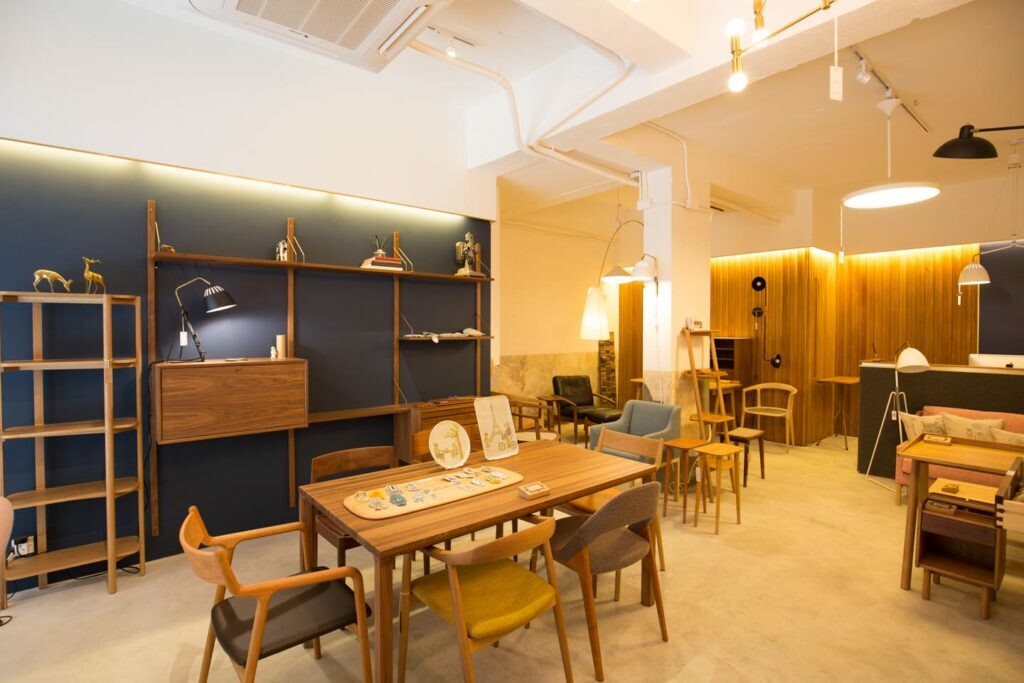
Antique markets and resale platforms are excellent sources of distinctive pieces that add character without significant expense. A carpenter’s bench can become a display table; postal cubbies can serve as structured shelving; mismatched metal chairs can reinforce a curated aesthetic.
Vintage furniture works particularly well when your brand story leans into nostalgia, craftsmanship or sustainability.
5. Create a “Home-Like” Environment
Soft furnishings, wallpaper and layered textures can make visitors feel at ease. Wallpaper applied selectively — even to a counter front or partial wall — can create intimacy and visual depth.
This approach is effective in experiential pop-ups where encouraging dwell time is part of the objective.
6. Anchor the Space with Rugs and Wall Art
A statement rug defines a zone instantly. It visually grounds product displays and creates a natural boundary without adding physical barriers. Framed prints or curated imagery reinforce brand positioning and elevate perceived value.
Used together, these elements can transform a neutral rental space into a cohesive branded environment.
7. Use Color Accents Strategically
Bright accessories, glassware, or small decorative pieces can inject personality without requiring structural changes. Rather than scattering color randomly, concentrate it around focal areas to direct attention and create rhythm throughout the store.
For deeper insight into how color influences perception and buying behavior, explore our guide to pop up store color psychology.
8. Add Temporary Festive Elements
Balloons, flags and lightweight garlands are effective for short-term launches or themed activations. Suspended elements also activate vertical space, especially when floor space is limited.
When used thoughtfully, these details enhance energy without overwhelming the layout.
9. Repurpose Ladders as Vertical Displays
A simple ladder can become a tiered display unit with inserted planks or strategically placed products. Leaned against a wall, it introduces vertical merchandising that preserves floor space while adding visual interest.
This technique pairs well with compact retail environments and complements other vertical strategies such as ceiling treatments.
10. Reimagine Everyday Objects
Folding dish racks can hold printed materials. Chairs mounted on walls become shelving. Suspended bicycle wheels can anchor lighting installations. Repurposed objects often create the most memorable design moments because they feel unexpected.
The key is to ensure these elements enhance product visibility rather than compete with it.
11. Draw Inspiration from Sport and Recreation
Gym equipment such as wall bars, rings or skateboards can be adapted into shelving or product supports. These elements add character and reinforce thematic storytelling, particularly for lifestyle or activewear brands.
Functional objects used decoratively also strengthen authenticity in concept-driven spaces.
12. Replace Mannequins with Creative Alternatives
Suspended hangers, mounted rails or branch-based clothing racks can showcase garments without investing in traditional mannequins. These alternatives introduce lightness and flexibility, especially in smaller stores.
When positioning apparel displays, ensure they align with sightlines and movement patterns established in your core layout.
13. Layer Height to Create Visual Hierarchy
Effective merchandising relies on variation. Combine floor-level displays, mid-height tables and elevated elements to create rhythm. Height layering prevents monotony and encourages customers to scan the entire space.
Central focal installations can be enhanced using some of the techniques outlined in our ideas for center displays in pop-up stores.
14. Edit for Impact
Cost-effective does not mean cluttered. Select fewer, stronger elements rather than overcrowding the space. Visual breathing room enhances perceived value and makes products easier to navigate.
A disciplined approach ensures decoration supports the customer journey rather than distracting from it.
Bringing It All Together
Affordable visual merchandising can be just as impactful as high-budget design when executed with intention. Start with a clear layout framework, define your focal points, then use creative, adaptable materials to reinforce your brand identity and guide customer movement.
By combining thoughtful planning with imaginative styling, your pop-up store can feel curated, engaging and memorable — without exceeding budget constraints.
Looking to bring your concept to life in a space that supports your vision? Explore available retail venues and choose a location whose architecture and layout align with your merchandising strategy.

Related posts:
 How to Use Color to Increase Sales in Your Pop-Up Shop
 Pop Up Store Layout: Floor Plans and Flow Strategies That Convert
 How to Design a Pop-Up Shop Layout That Creates an Unforgettable Experience
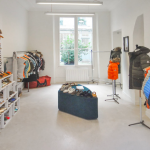 Pop Up Store Display Ideas: 16 Creative Central Features That Attract Customers
 Small Pop Up Shop Design: 14 Smart Ways to Maximize Limited Space