

Central displays are one of the most powerful elements in pop up store design.
While layout shapes customer flow, the central island or focal display shapes attention. A well-designed central display can draw visitors inside, guide movement, increase dwell time, and highlight your most important products.
If you’re looking for a complete framework covering layout, lighting, and overall strategy, start with our guide to pop up store design. This article focuses specifically on pop-up store display ideas — particularly central islands and focal merchandising features that drive engagement.
Below are 16 creative display concepts to inspire your next activation.
Why Central Displays Matter in Pop Up Shops
In temporary retail environments, you have limited time to make an impression.
A central display:
- Acts as a focal point
- Reinforces brand identity
- Encourages customers to move deeper into the store
- Creates opportunities for photography and social sharing
- Adds valuable merchandising surface area
Because many pop-ups rely on foot traffic, a visible central island can function almost like a second storefront window.
The key is not decoration. It is strategic placement.
1. A Warm Welcome Table
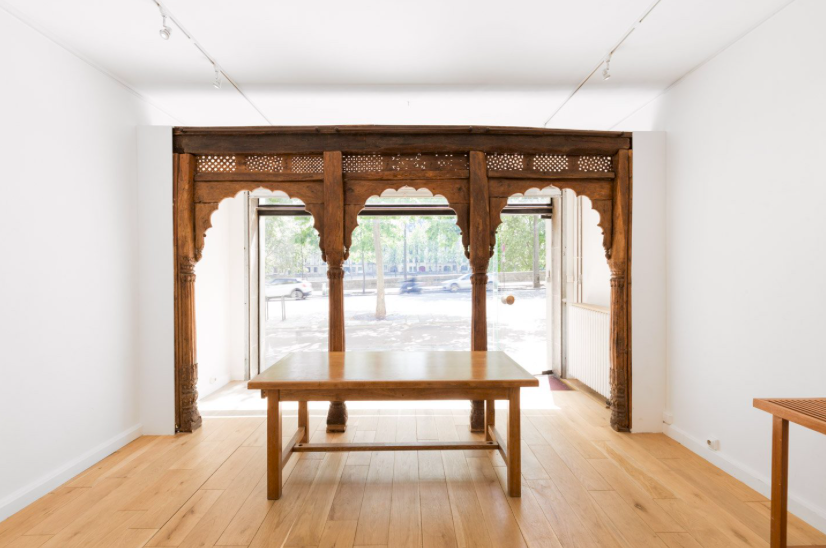
A large, solid table positioned centrally immediately establishes atmosphere.
Natural wood finishes create warmth and authenticity. This approach works especially well in bright retail units such as those commonly found among pop up shops for rent in Paris, where strong street visibility makes the central island visible from outside.
The central table becomes the “heart” of the shop — a place for discovery and interaction.
2. Bold Color and Modular Islands
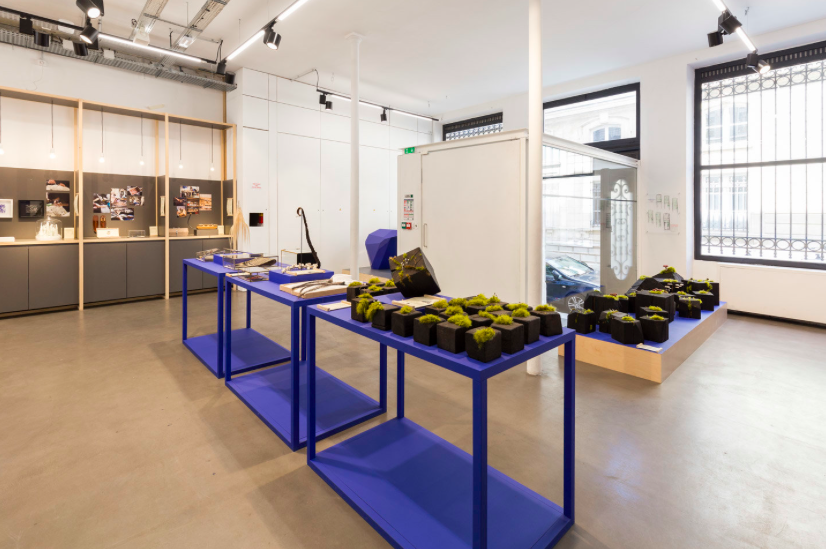
Multiple smaller islands arranged creatively allow flexibility.
Metal shelving painted in a bold color energizes the space without overwhelming it. Leaving the underside open prevents visual clutter and maintains flow.
Modular display units are particularly effective in short-term retail because they can be rearranged depending on traffic patterns and event needs.
3. A Vintage Table for Authenticity
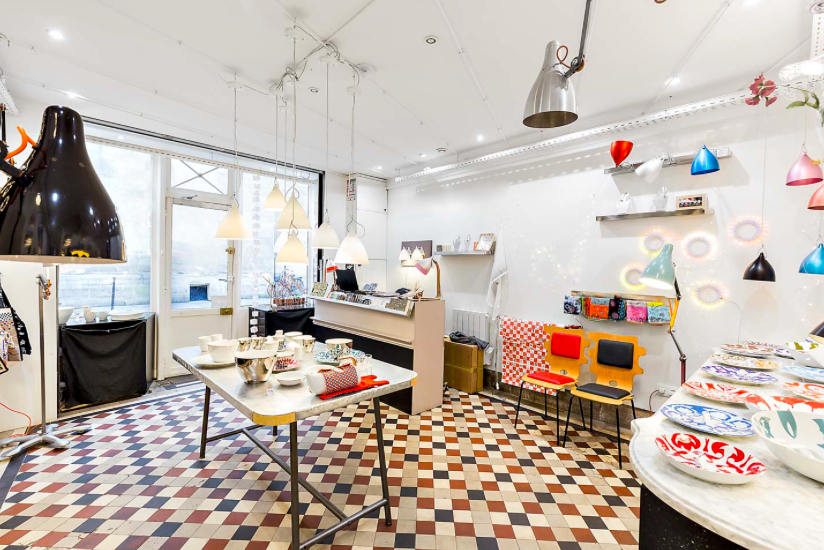
A reclaimed kitchen table or antique desk introduces familiarity and warmth.
This approach works well for food brands, artisanal goods, and heritage-inspired collections. It softens the retail environment and encourages tactile interaction.
4. A Lounge-Style Central Feature
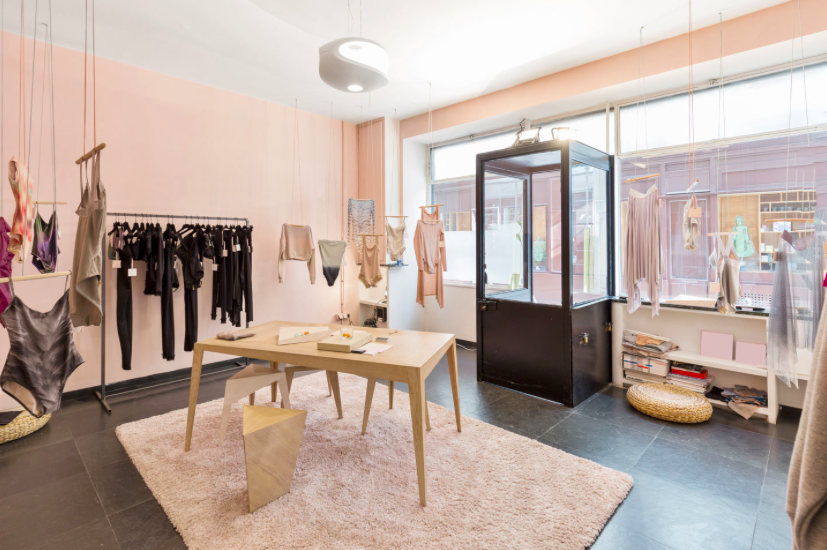
Adding a rug, seating, and a central table transforms the middle of the store into a consultation zone.
This works particularly well for showroom-driven activations or higher-consideration products. You’ll often find this type of setup in premium showroom spaces in London, where experiential retail and client consultation play a larger role than traditional stock-heavy merchandising.
The central island becomes a place for conversation rather than simple display.
5. Reclaimed Industrial Workbenches
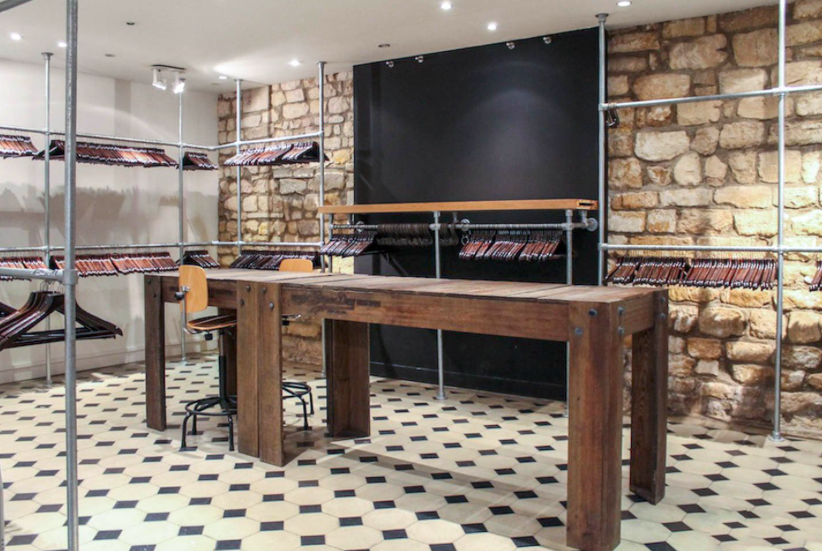
For brands targeting a more rugged or masculine audience, reclaimed industrial furniture reinforces authenticity.
Long, narrow workbenches maximize surface area while maintaining circulation. This approach works especially well in open-plan units like those frequently available among pop up shops for rent in New York, where loft-style layouts allow strong horizontal sightlines.
6. Cafeteria or Workshop Tables

Simple wood planks mounted on metal bases create flexible, high-impact islands.
These tables are ideal for deeper retail units where you want to draw customers further into the space.
7. DIY Upcycled Displays
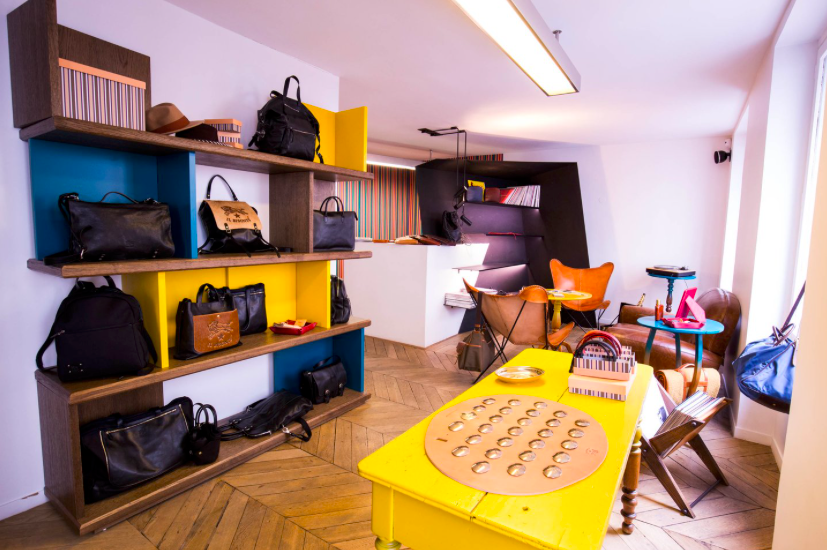
Upcycling adds originality while keeping budgets manageable.
Examples include:
- Painted antique desks
- Stacked mismatched tables
- Repurposed factory furniture
Distinctive displays help differentiate your pop-up from conventional retail environments.
8. Cinder Block Installations
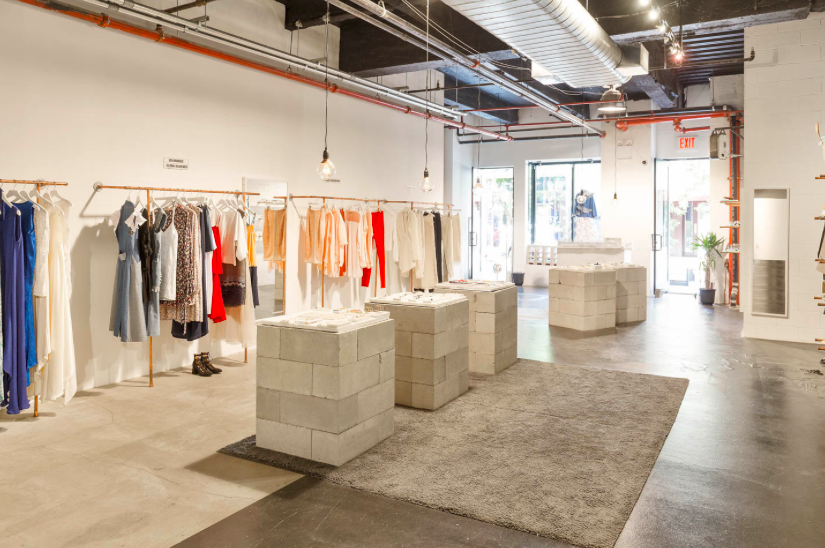
Cinder blocks paired with wood planks create bold, industrial-inspired islands.
They are affordable, modular, and visually striking — ideal for creative or streetwear brands.
9. Wooden Pallet Displays
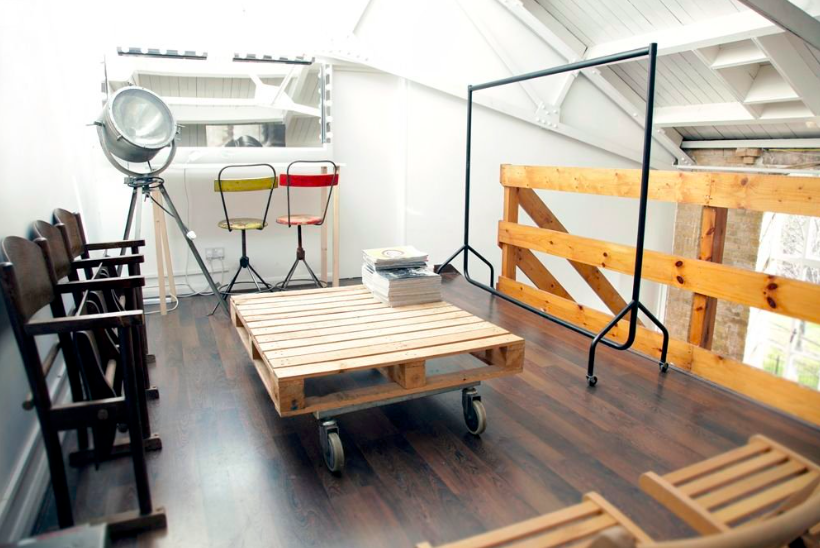
Stacked pallets offer an accessible and flexible solution.
Mounted on wheels, they can be repositioned easily throughout the activation. Their raw aesthetic works well for sustainable or craft-focused brands.
10. Shipping Crates as Display Units
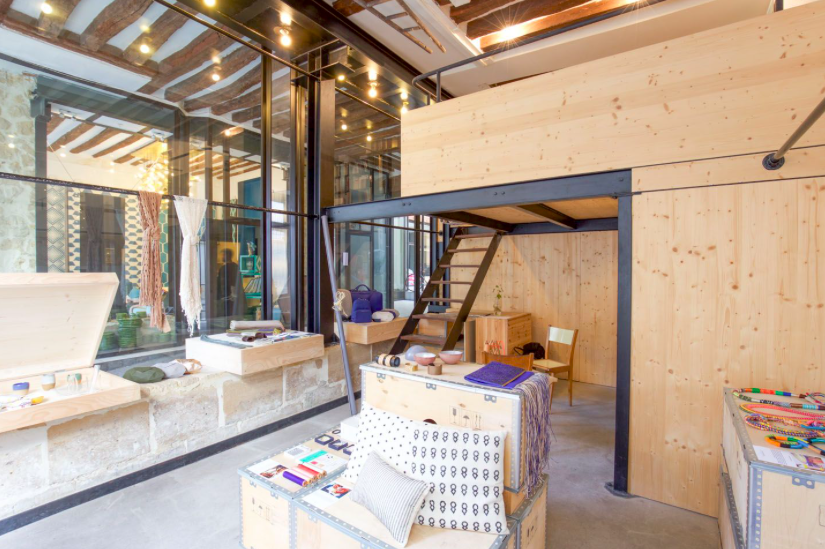
Shipping crates serve dual purposes.
They transport inventory and then convert into display platforms. This reduces setup time and supports modular merchandising.
11. Interactive Game Tables
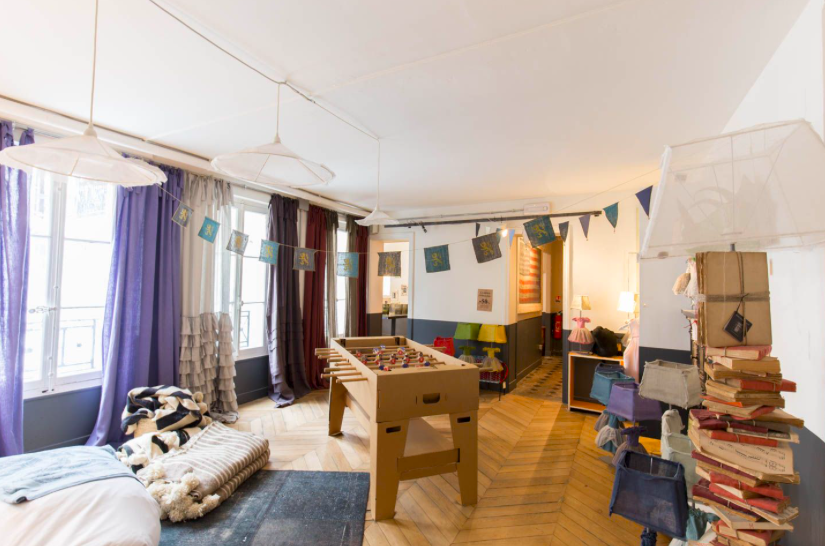
For event-driven pop-ups, central displays can become experiential features.
Foosball tables or interactive installations encourage engagement. However, ensure the space is large enough to prevent congestion and that products remain clearly visible.
12. Showroom Lounge Concept
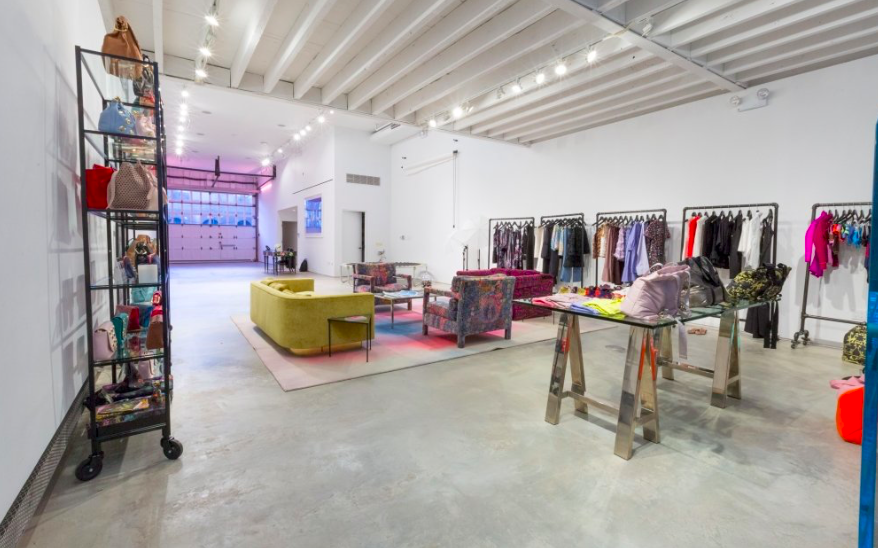
A fully styled lounge area can anchor a larger pop-up.
Carpet, armchairs, and a central coffee table encourage extended interaction and elevate perceived brand value.
This approach works particularly well in cities where experiential retail dominates prime retail districts.
13. Benches or Ottomans
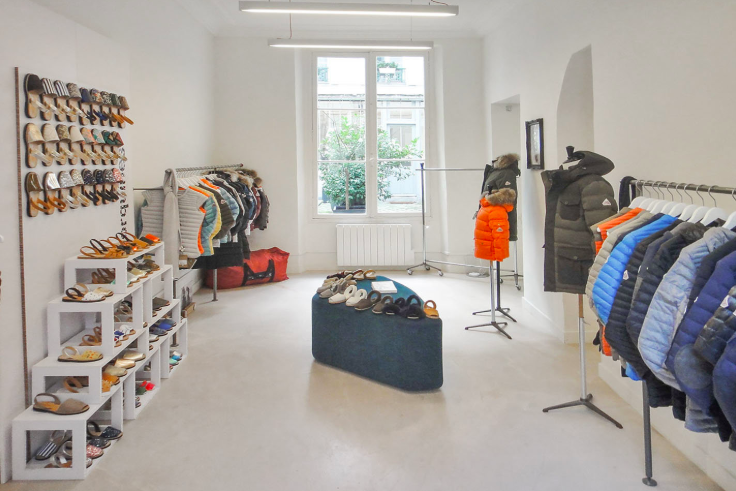
In smaller spaces, simple seating can double as product display.
Ottomans and benches provide comfort while maintaining functionality. Just ensure they do not interrupt the natural flow of the store.
14. Kitchen Island Concepts
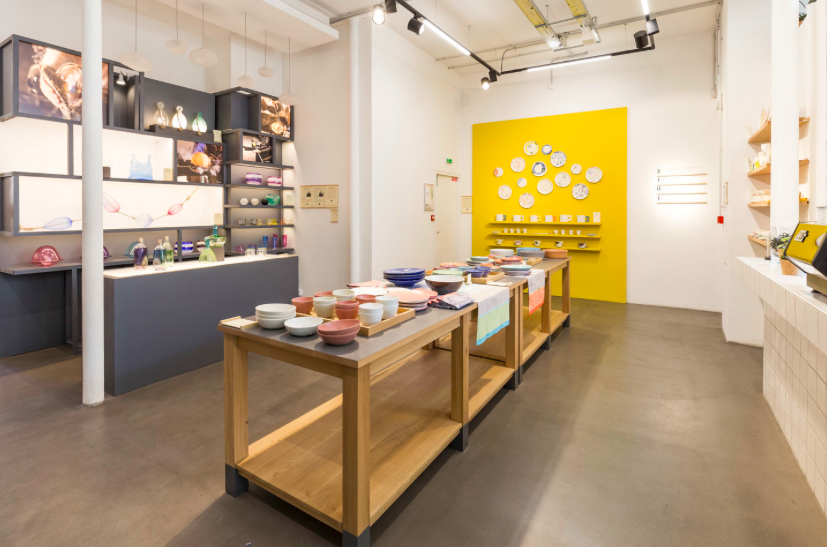
A true kitchen island introduces structure and storage in one unit.
It combines display surface, organization, and visual weight, making it especially effective for culinary or lifestyle brands.
15. Transparent Columns and Cubes
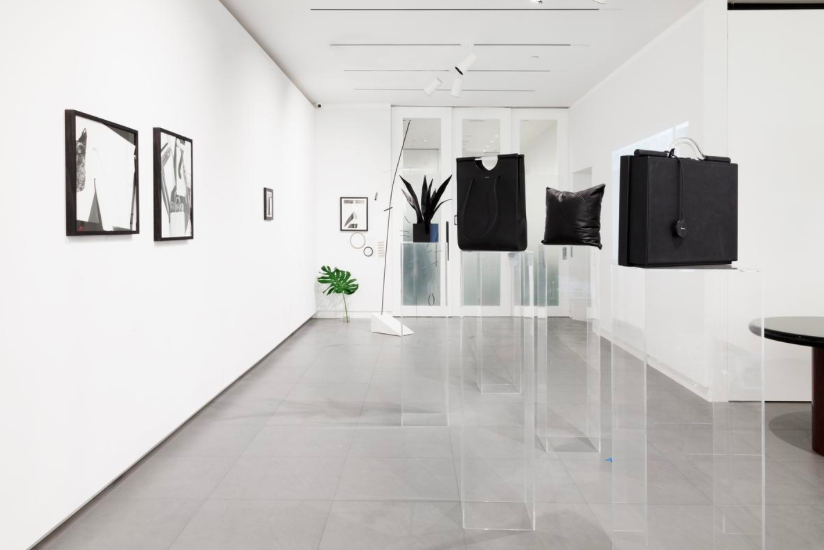
Acrylic or Plexiglas columns create a gallery-inspired presentation.
Because they appear lightweight and almost invisible, they allow products to take center stage. This approach works particularly well in minimalist, light-filled retail spaces.
16. Professionally Coordinated Installations
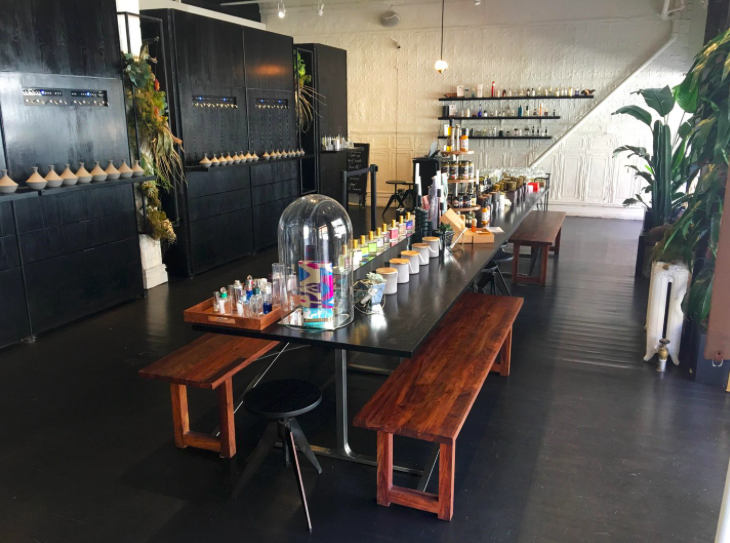
For larger activations, working with an interior designer ensures cohesion between your central island, wall merchandising, lighting, and materials.
A coordinated approach ensures dimensions and color schemes feel intentional rather than improvised.
How to Choose the Right Central Display for Your Pop Up Store
Not every display concept suits every space.
Before selecting a central island, consider:
- Square footage
- Traffic flow
- Product size and weight
- Brand positioning
- Budget
Avoid overcrowding the center of your store. A cluttered island disrupts flow and reduces accessibility.
If you are still refining your floor plan, review our guide to pop up store layout to ensure your central display complements overall customer flow.
Final Thoughts on Pop Up Store Display Ideas
Central displays are not simply decorative features. They are focal points that influence how customers move, interact, and purchase.
When aligned with strong layout planning and cohesive branding, the right central island can transform a temporary retail space into a memorable brand environment that drives measurable results.

Related posts:
 Pop Up Store Layout: Floor Plans and Flow Strategies That Convert
 How to Master Pop Up Store Design: Layout, Displays and Proven Retail Strategies
 What is a pop-up shop? Everything you need to know to try short-term retail
 How to Set Up a Pop-Up Art Gallery: 8 Steps to Renting and Launching Your Exhibition
 Offline Marketing Ideas for Pop-Up Shops