

Pop-up stores are often associated with startups and digital-first brands, but they can also be powerful tools for established retailers looking to reshape their brand perception.
A good example is the Jacques Penné pop-up shop launched by JCPenney in New York. The short-term activation gave the long-standing American retailer an opportunity to experiment with a new concept, connect with younger audiences, and create buzz around a limited collection.
Temporary retail spaces allow brands to test ideas quickly and create memorable experiences without committing to long-term leases. Brands exploring similar activations can browse available New York pop-up shop spaces or explore flexible venues on the Storefront marketplace.
Jacques Penné’s New York debut
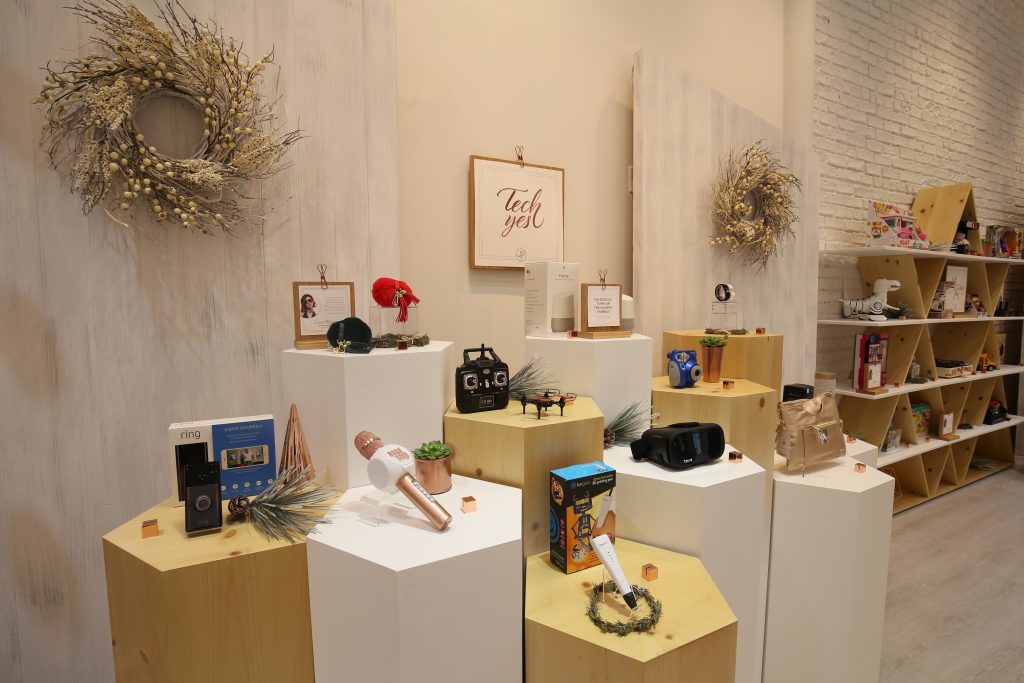
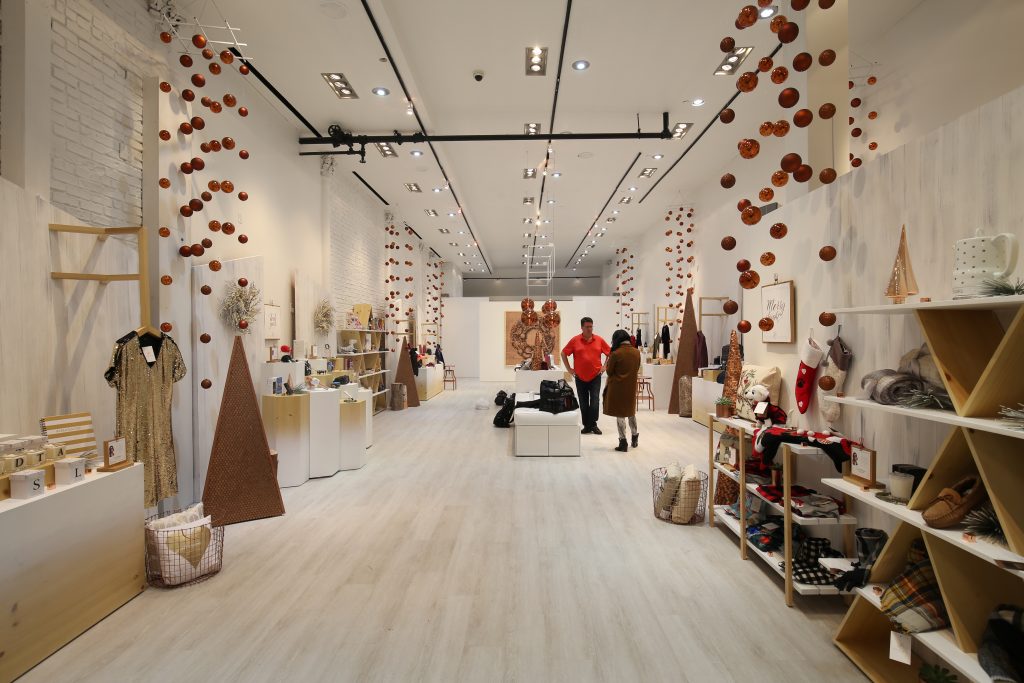
JCPenney introduced the Jacques Penné concept during the holiday season through a two-day pop-up store in New York City. The temporary shop was designed to showcase an exclusive lifestyle collection while creating a fresh retail experience for customers.
Rather than launching the line through traditional stores or standard e-commerce channels, the brand used a pop-up format to create a sense of exclusivity and urgency.
According to Alexandra Wicka, who worked on the project as a senior account manager at Periscope, the concept was designed to help consumers “rediscover JCPenney and get everything on your list within your budget.”
The pop-up also supported a philanthropic initiative. Merchandise worth $50,000 was donated to the JCPenney Foundation, allowing the activation to contribute to charitable causes while promoting the collection.
Planning the pop-up experience
Budget and concept development were two of the first steps in bringing the Jacques Penné project to life. The team allocated a budget of $250,000 and began shaping the creative direction months before the store opened.
“JCPenney gave guidelines of what they wanted to highlight, and Periscope categorized on trends,” Wicka explained.
Planning began in late summer, giving the team time to refine the concept, coordinate logistics, and prepare the physical space.
Wicka emphasizes that timing is critical when launching a pop-up store.
“Words of advice: Start as early as you can, plan for things to change, and be agile.”
The team secured the lease for the retail space on October 18 and opened the pop-up less than two months later, demonstrating how quickly short-term retail activations can move from concept to execution
Finding the right pop-up space
The creative concept guided the search for a physical venue. Once the look and feel of the pop-up had been defined, the team focused on finding a space that could support the experience they wanted to create.
For brands
Popping up in New York?
Explore short-term spaces in New York with Storefront.
Explore New York spaces“The look and feel came first, in tandem came the space,” Wicka said. “Once look and feel was shared, it was about execution.”
For any pop-up store, the venue should complement the brand identity and support the overall customer journey.
“Make sure it connects with your brand identity,” she added.
Even with careful planning, unexpected challenges can arise during the process.
“Unexpected things came up with the space,” Wicka noted, emphasizing the importance of flexibility when organizing a temporary retail activation.
Bridging digital and physical retail
One of the most ambitious elements of the Jacques Penné pop-up was the effort to connect the in-store experience with a digital audience.
Many modern retail brands aim to create seamless experiences between online and offline channels. For this project, the team developed a microsite that allowed customers to explore the pop-up virtually.
“Connecting the virtual store with the store in real life was hardest,” Wicka explained.
Through the microsite, users could take a virtual tour of the store and shop the collection remotely. This allowed the brand to extend the reach of the pop-up beyond visitors who were physically in New York.
“The microsite extended the pop-up for purchases,” Wicka said.
By combining a physical retail experience with digital engagement, the brand was able to connect with both in-person visitors and online audiences.
Strategic collaborations that expanded the reach
Partnerships played an important role in amplifying the visibility of the pop-up.
JCPenney collaborated with several partners to help bring the concept to life and reach a wider audience.
Periscope supported the digital streaming elements of the project, helping the brand extend the activation online.
Influencers and celebrities also participated in the campaign. Style figures such as Nicole Richie, Danielle Bernstein, Laura Marano, and Brooklyn and Bailey McKnight curated collections featured in the pop-up.
Some of these creators attended the event for meet-and-greets, generating additional buzz and encouraging visitors to experience the store in person.
The project required a dedicated team of roughly 30 people to manage production, marketing, and operations.
What brands can learn from the Jacques Penné pop-up
The Jacques Penné activation demonstrates how pop-up stores can help established brands experiment with new ideas and reconnect with consumers.
By combining exclusive products, influencer collaborations, and a digital extension of the store, JCPenney created a retail experience that generated attention both online and offline.
Pop-up stores also allow brands to test new concepts quickly, gather feedback, and refine future strategies.
While revenue can be an important metric, pop-ups often succeed by building awareness, strengthening customer relationships, and generating cultural buzz.
Brands interested in launching their own activation can explore New York pop-up shop spaces or browse flexible venues on the Storefront marketplace.

Written by
Mohamed Haouache is CEO and co-founder of Storefront. A pioneer of pop-up and short-term retail across Europe and the US, he has spent his career reshaping how brands use commercial real estate. An entrepreneur focused on disrupting the traditional lease, he writes on the short-term economy and the future of retail.
More from Mohamed Haouache →Related posts:
 Kanye West Yeezus Tour Pop-Up Store in NYC
 How Birchbox Used a Pop-Up Shop in Chelsea Market to Bring Its Beauty Discovery Experience Offline
 J.Hilburn’s SoHo Pop-Up: A Luxury Menswear Brand Steps Into Physical Retail
 How Indochino Used Pop-Up Showrooms in New York to Introduce Custom Menswear
 How TCHO Uses Pop-Up Shops to Bring Its Chocolate “Flavor Labs” to Customers and Power Growth