

Launching a pop-up shop in Paris is an excellent way for independent brands, emerging designers, and digital-first businesses to test demand, grow visibility, and increase sales. Paris’ vibrant retail scene—from the historic Marais to the stylish Saint-Germain-des-Prés—offers countless opportunities to create memorable temporary retail experiences.
This guide breaks the process into actionable steps, helping you move from planning to opening a successful Paris pop-up. For a complete overview, see How to Start a Pop-Up Shop in Paris: The Complete Guide.
1. Define the Purpose of Your Pop-Up
Before choosing a neighbourhood or signing a lease, clarify the goal of your pop-up. Common objectives include:
- Testing product-market fit: Evaluate how your products perform with Parisian consumers.
- Building brand awareness: Introduce your brand to a new audience.
- Creating a launch moment or event activation: Capitalise on excitement around a new collection or collaboration.
- Driving online sales: Encourage visitors to continue shopping on your e-commerce site.
- Trialling a neighbourhood: Explore the potential for a future permanent store.
Your goal will shape your decisions on location, layout, staffing, budget, and marketing strategy.
2. Choose the Right Paris Neighbourhood
Paris’ retail landscape is diverse, so selecting a neighbourhood that matches your audience and brand positioning is crucial. Some popular areas for pop-ups include:
- Le Marais (3rd & 4th arrondissements): Creative, fashion-forward, and high footfall → Explore spaces in Le Marais
- Saint-Germain-des-Prés (6th arrondissement): Luxury, lifestyle, and heritage brands → Browse Saint-Germain pop-up spaces
- Opéra & Grands Boulevards (2nd & 9th arrondissements): High visibility for premium and mid-market brands → Find retail space in Opera
- Montmartre & Pigalle (18th & 9th arrondissements): Artistic, experiential, and tourist-friendly areas → Check Montmartre spaces
For a deeper dive into neighbourhoods, see How to Choose the Best Paris Neighbourhood for Your Pop-Up.
3. Plan Your Budget Early
Pop-up costs can vary significantly, so factor in:
- Space rental: Prices differ by arrondissement and street. Premium locations like Champs-Élysées are more expensive than emerging districts like Batignolles (Explore Batignolles)
- Fit-out & visual merchandising: Fixtures, lighting, signage, and display elements
- Staffing & operations: Sales associates, security, and daily management
- POS & payment systems: Mobile payment, card terminals, and integration with e-commerce
- Marketing & PR: Social media campaigns, local influencers, press releases
- Insurance & permits: Liability coverage, stock insurance, and temporary event licences
For detailed guidance, see How to Budget Your Paris Pop-Up: Rent, Staff & Hidden Costs.
4. Secure Permits and Insurance
Pop-ups in Paris often require:
- Temporary commercial activity permits (Déclaration d’Activité Temporaire)
- Public liability and content insurance
- Compliance with fire safety regulations
- Music licences if playing in-store (SACEM)
- Health permits if selling food or drinks
Always check with your landlord and local authorities before signing. For a full guide, see How to Navigate Paris Pop-Up Regulations & Permits and How to Insure Your Paris Pop-Up Shop Properly.
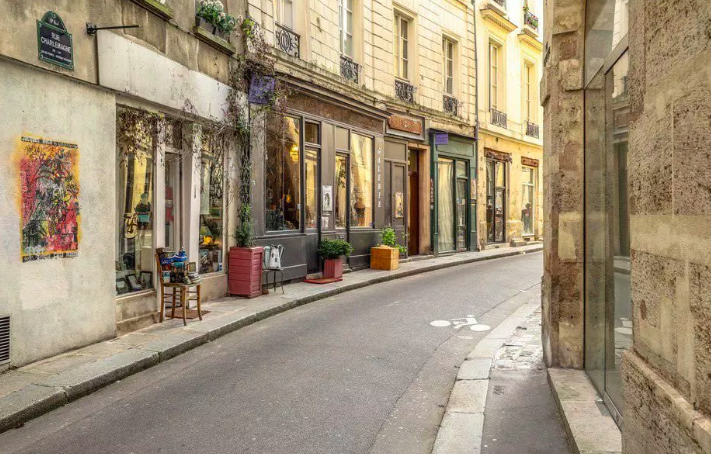
5. Choose the Right Retail Space
When evaluating a space, consider:
For brands
Popping up in Paris?
Explore short-term spaces in Paris with Storefront.
Explore Paris spaces- Footfall and visibility
- Nearby brands and potential partnerships
- Layout, ceiling height, and storage
- Lighting, power access, and internet connectivity
- Transport links and accessibility for customers and staff
Use Storefront to browse Paris pop-up spaces.
6. Design Your Pop-Up Layout
Focus on functionality and brand storytelling:
- Highlight hero products at the entrance
- Optimise lighting to enhance product appeal
- Include “social-first” design elements for shareable moments
- Ensure efficient staff and customer flow
For inspiration, see How to Design a Paris Pop-Up: Layout, Lighting & Merchandising.
7. Set Up POS and Payment Systems
Select reliable and mobile-friendly POS tools:
- SumUp
- Zettle
- Shopify POS
Consider transaction fees, integration with online stores, and reporting capabilities. For guidance, see How to Choose the Right POS for Your Paris Pop-Up.
8. Prepare Stock and Inventory
- Offer core bestsellers and limited editions
- Create urgency through exclusives or time-sensitive products
- Plan for replenishment for multi-day activations
- Keep a well-organised stockroom and integrate packaging with e-commerce
9. Build Awareness Before Opening
Marketing is crucial for a successful launch:
- Email your customer base with opening details
- Share behind-the-scenes content on social media
- Leverage location tags for Paris districts and streets
- Collaborate with local influencers or press
- Host pre-opening events or previews
For more, see How to Market Your Paris Pop-Up Before Opening and How to Build Pre-Opening Buzz for Your Paris Pop-Up.
10. Launch and Operate Your Pop-Up
During the activation, focus on:
- Friendly and knowledgeable staff
- Clear merchandising and visual storytelling
- Daily stock checks and replenishment
- Capturing social media content
See How to Run a Paris Pop-Up Smoothly Every Day for operational tips.
11. Measure Results and Learn
Track performance metrics such as:
- Footfall and conversion rates
- Average order value
- Social engagement and email sign-ups
- Online sales lift
For deeper insights, see How to Measure the Success of Your Paris Pop-Up.
12. Decide Your Next Step
Use insights from your pop-up to determine whether to:
- Repeat the activation in the same neighbourhood
- Explore new districts
- Adjust product mix or pricing
- Commit to a permanent store
For guidance, see How to Decide Your Next Step After a Paris Pop-Up.
Final Thoughts
Launching your first Paris pop-up shop is achievable when broken into clear steps. By planning carefully, choosing the right neighbourhood, designing a compelling space, and executing strong marketing, your brand can create a temporary activation that drives visibility, revenue, and long-term customer loyalty.

Written by
Nicholas Roberts-Moore
Nicholas Roberts-Moore is Chief Marketing Officer at Storefront, based in London. He specializes in AI-powered marketing and the UK retail and real estate markets, helping brands turn short-term retail into measurable growth. A former journalist, he writes on pop-up strategy, retail trends, and the future of physical retail.
More from Nicholas Roberts-Moore →
- Art Basel Miami Neighborhoods: Where to Set Up - June 8, 2026
- What Is Art Basel Miami? The Fair Explained - June 8, 2026
- Art Basel Miami 2026 Dates and Schedule - June 8, 2026
Related posts:
 What is a pop-up shop? Everything you need to know to try short-term retail
 How to Set Up a Pop-Up Art Gallery: 8 Steps to Renting and Launching Your Exhibition
 Offline Marketing Ideas for Pop-Up Shops
 The 5 Types of Pop-Up Shops (With Examples) & How to Choose the Right One
 Automotive Pop-Up Shops: How Car Brands Use Temporary Showrooms to Launch, Test and Sell