
Luxury retail has always depended on physical presence. Flagship stores, carefully chosen neighborhoods and immersive environments are central to how prestige brands build perception. Yet in recent years, short-term retail has become an increasingly strategic tool for high-end labels.
Pop-up stores allow luxury brands to experiment without diluting exclusivity. They create urgency, generate media attention and offer controlled environments to test products, neighborhoods and new audiences.
For a broader look at how different sectors approach temporary retail, see our guide to pop-up shop strategies by industry.
Below is how luxury brands are using pop-ups strategically rather than tactically.
Testing New Markets Without Compromising Prestige
Luxury brands are highly sensitive to location. The wrong neighborhood can weaken positioning, while the right one can reinforce status and desirability.
Pop-ups allow brands to test high-profile areas in cities such as Paris, London and New York before committing to a permanent flagship. A two-week activation in Covent Garden, SoHo or the Upper East Side can reveal:
Foot traffic quality
Client demographics
Local appetite for a new collection
Media and influencer response
Because the lease is short-term, the brand maintains flexibility. If performance meets expectations, the space can evolve into a permanent presence. If not, the brand exits without long-term exposure.
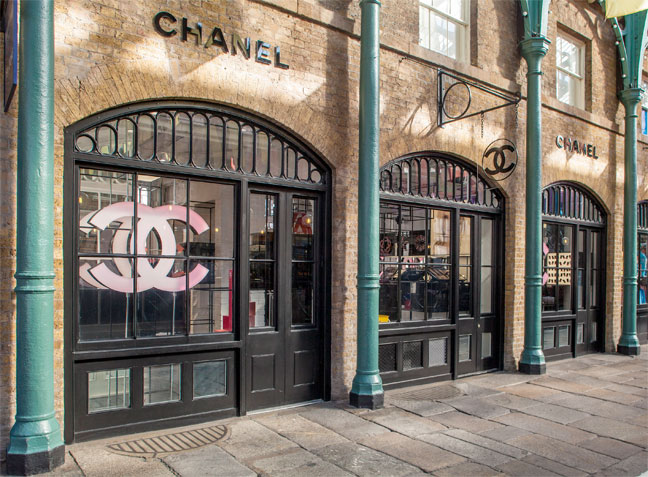
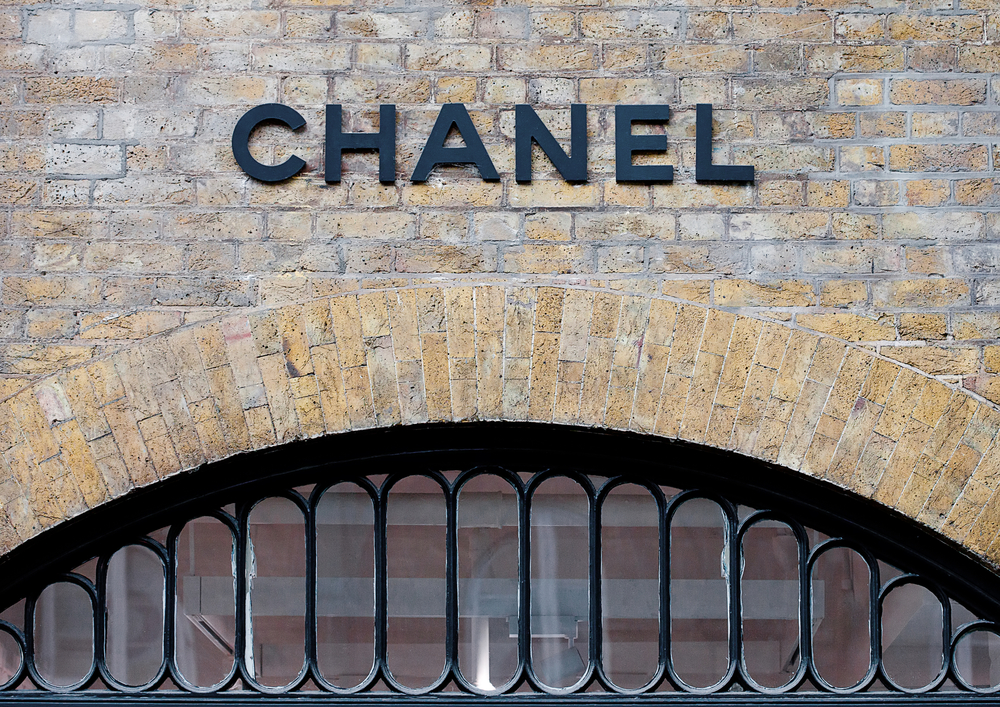
Chanel’s interactive pop-up in Covent Garden illustrates this approach. Featuring a nail bar, makeup stations and workshops, the activation allowed the brand to test experiential retail concepts while showcasing new products. The success of the pop-up ultimately led to a permanent location.
For further examples of how premium labels use temporary retail, explore five luxury brands that bet big on pop-up stores.
Reinforcing Exclusivity Through Scarcity
Scarcity has always been central to luxury strategy. Limited editions, invitation-only previews and capsule collections drive demand precisely because they are not widely available.
Pop-up stores amplify this dynamic.
A short-term space tied to a specific launch creates urgency. Customers understand that the experience, or the product, will not be available indefinitely. This perception encourages immediate engagement and purchase.
For brands
Ready to launch your pop-up?
Find and book your short-term retail space with Storefront.
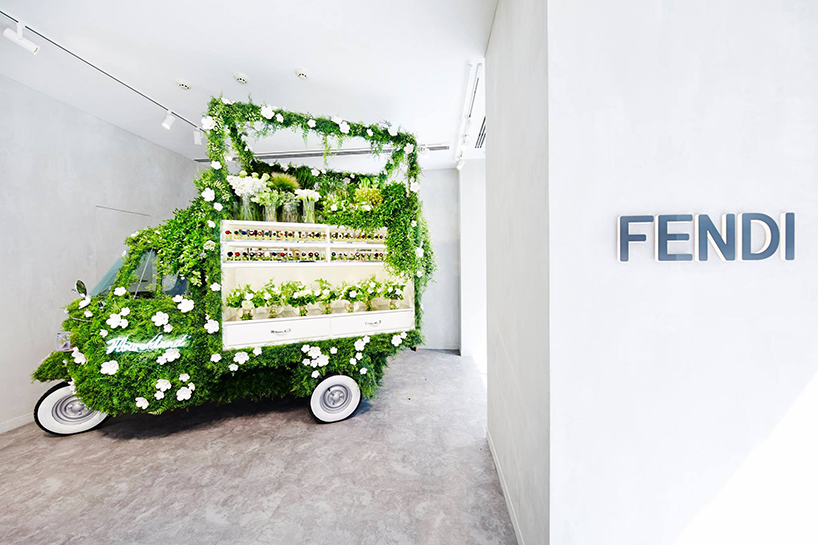
Find a spaceFendi’s two-week Flowerland exhibition at Selfridges is a strong example. The immersive floral installation, European-exclusive styles and limited-edition items transformed the activation into a destination rather than a standard retail environment. The temporary nature of the installation heightened desirability.
Luxury pop-ups succeed when they offer something distinct from permanent boutiques. This could be:
A location-specific product
An artist collaboration
A customization service
An immersive brand installation
When the offering feels rare, the short-term format strengthens brand value rather than weakening it.
Creating High-Touch, Personalized Experiences
Personalization is another pillar of luxury retail. Monogramming, bespoke services and one-to-one consultations all reinforce the idea of exclusivity.
Pop-up environments provide a flexible canvas for these services. Because they are temporary, brands can experiment with new formats such as:
On-site customization stations
Private styling appointments
VIP preview evenings
Limited guest lists
These experiences often align with broader experiential retail trends, where brands prioritize emotional engagement over transactional efficiency. If you are exploring immersive concepts, our overview of experiential retail and retailtainment provides additional context.
In luxury, the physical environment must reflect brand codes. Layout, lighting and material choices should feel consistent with flagship standards. Our guide to pop-up store design outlines the spatial fundamentals that help maintain brand integrity in temporary spaces.
Aligning City Strategy With Brand Positioning
Not every city suits every luxury brand. Temporary retail allows companies to align geographic expansion with brand DNA.
Paris remains central for heritage fashion houses. London offers strong visibility for both established and emerging luxury labels. New York provides exposure to both domestic and international clients in high-footfall retail corridors.
By activating in strategic neighborhoods within these cities, luxury brands can evaluate long-term potential while maintaining tight control over brand presentation.
Luxury Pop-Ups as Strategic Growth Tools
Pop-up stores are not a replacement for permanent boutiques. For luxury brands, they are a strategic complement.
They allow high-end labels to:
- Test new markets
- Launch limited-edition products
- Experiment with experiential concepts
- Strengthen relationships with loyal clients
- Generate media and influencer attention
When executed with precision, temporary retail reinforces exclusivity rather than undermining it.
Luxury brands that treat pop-ups as carefully curated brand moments — rather than short-term sales plays — are best positioned to convert curiosity into long-term loyalty.

Written by
Storefront Contributor – Courtney Gerring is a Brand and Digital Marketing Strategist who specializes in social media content and influencer marketing. After spending 3 years living abroad in multiple destinations, she now calls NYC home and you can often find her working from The Wing, a co-working space designed for women. With a strong retail background and a love for writing follow along as she brings us insight into the retail pop-up space.
More from Courtney Gerring →Related posts:
 What is a pop-up shop? Everything you need to know to try short-term retail
 How to Set Up a Pop-Up Art Gallery: 8 Steps to Renting and Launching Your Exhibition
 Offline Marketing Ideas for Pop-Up Shops
 The 5 Types of Pop-Up Shops (With Examples) & How to Choose the Right One
 Automotive Pop-Up Shops: How Car Brands Use Temporary Showrooms to Launch, Test and Sell