

Pop-up spaces are increasingly used by large companies to test ideas, launch new products, and build direct connections with consumers. For global food company Danone, a temporary pop-up concept in Paris became a way to introduce a new product range while creating a community-focused brand experience.
To bring the project to life, Danone partnered with innovation agency French Bureau, which developed the concept and worked with Storefront to find the right venue. The result was “Atlas, la Cantine du Monde,” a cultural café and event space inspired by global food traditions.
This type of collaboration highlights how brands and agencies frequently use Storefront to secure short-term spaces for experiential activations, product launches, and community events. Companies planning similar projects can browse available Paris pop-up retail spaces to host their own temporary concepts.
Launching a Global-Inspired Food Concept
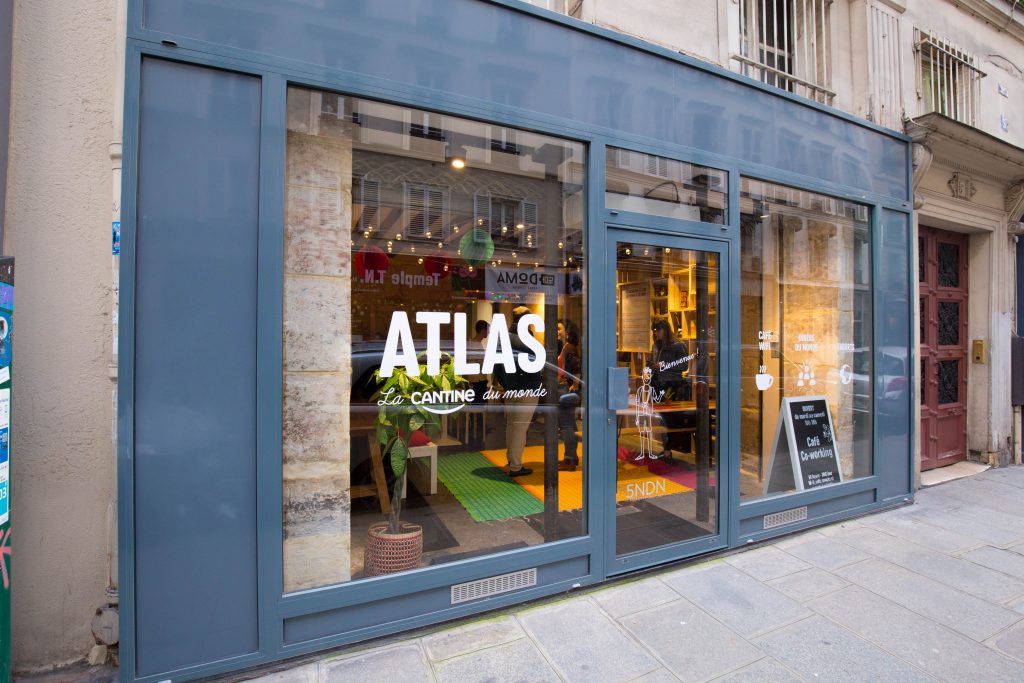
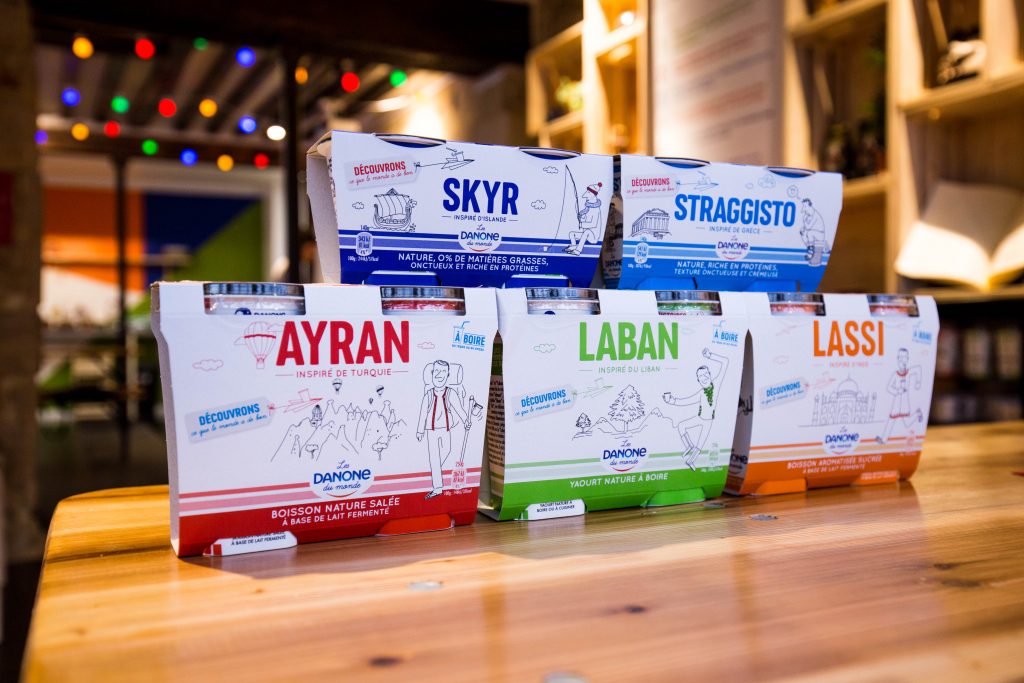
Danone created the Danone of the World range to celebrate culinary traditions from multiple countries, including Greece, Turkey, Lebanon, Iceland, and India. Rather than introducing the products through traditional advertising alone, the brand wanted a physical environment where people could experience the concept firsthand.
The pop-up space served as a cultural meeting place where visitors could discover international recipes, attend food-related events, and learn more about the inspiration behind the product line.
French Bureau designed the concept to bring together food, culture, and community in a way that reflected the diversity behind the Danone of the World range.
Why Pop-Up Spaces Work for Corporate Brand Launches
For a large company like Danone, launching a pop-up offered several advantages.
Temporary spaces allow brands to experiment with new concepts without committing to long-term retail leases. They also provide a way to interact directly with consumers, collect feedback, and refine ideas in real time.
According to the agency team behind the project, the pop-up space functioned as a full-scale prototype.
Renting a venue for a few weeks or months makes it possible to test a concept while reducing risk. If the concept resonates with visitors, the brand can expand or extend the activation.
In the case of Atlas, the project initially opened as a short-term experiment but remained open longer as the concept gained traction and built a community around it.
Brands considering similar activations can explore available retail spaces for rent to test new retail or experiential concepts.
The Role of Agencies in Pop-Up Activations
Many large companies partner with creative or innovation agencies when developing pop-up experiences. Agencies often handle concept development, event programming, design, and logistics while coordinating the search for a suitable venue.
In this case, French Bureau worked closely with Danone to create the Atlas concept and then partnered with Storefront to identify a venue that matched the project’s needs.
This approach is common across the industry. Agencies frequently use Storefront to source spaces for brand activations, retail experiments, and experiential marketing campaigns on behalf of their clients.
By using a flexible marketplace of short-term venues, agencies can quickly match the right space to a creative concept.
Choosing the Right Location in Paris
Location played a key role in the project’s success. The team ultimately selected a two-story venue in central Paris, near the République district.
Accessibility was an important factor in the decision. The location was easy to reach by public transportation and offered strong visibility for visitors exploring the neighborhood.
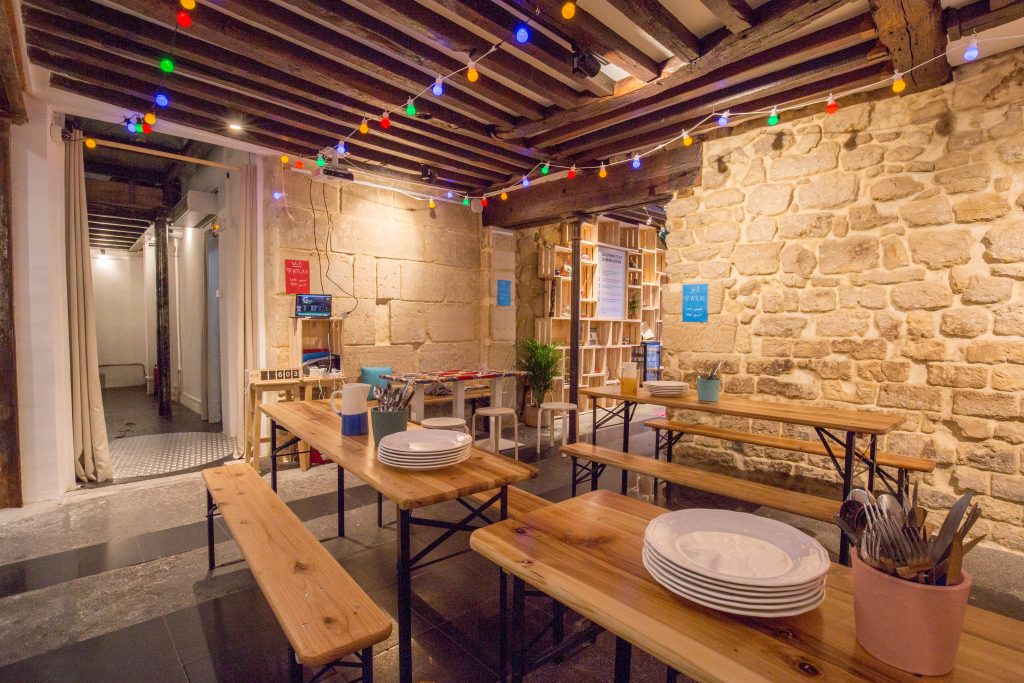
The space itself allowed the concept to expand across multiple areas, including seating zones and a kitchen used for culinary demonstrations and events.
When selecting pop-up venues, brands often look for spaces that combine good foot traffic with flexible interiors that can accommodate events, workshops, or product demonstrations.
Creating a Community Through Food and Culture
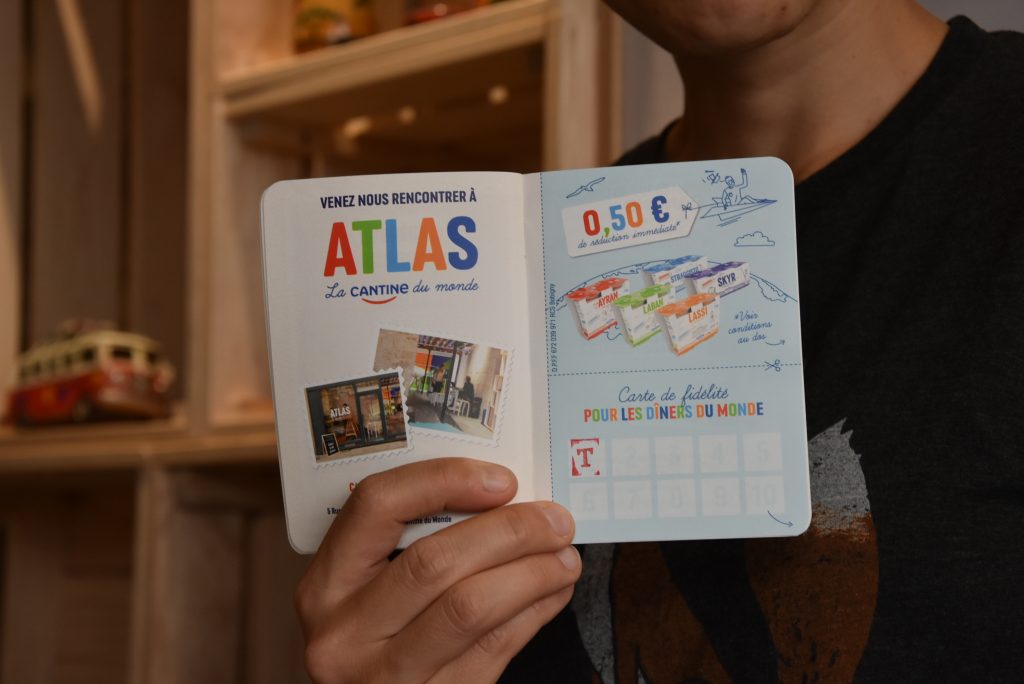
Atlas was designed as more than a temporary restaurant or product display. Instead, it functioned as a cultural café where visitors could explore global cuisine through events and workshops.
The pop-up hosted a wide range of programming, including:
- Culinary dinners inspired by different countries
- Brunch events and food tastings
- Cooking workshops and cultural discussions
- Community gatherings centered around global food traditions
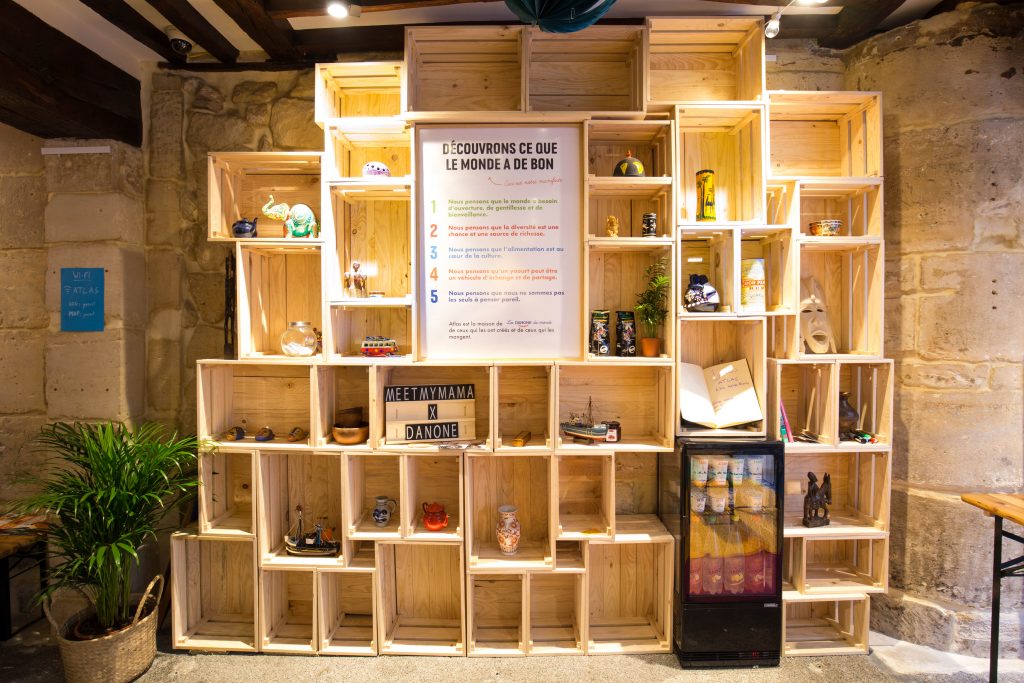
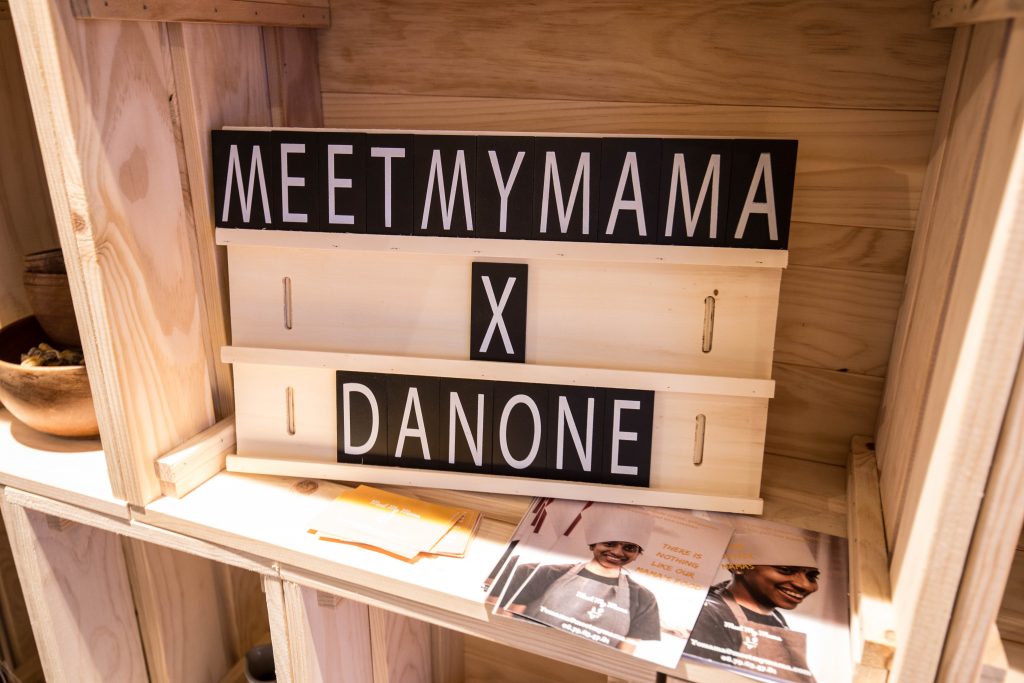
The concept also led to a collaboration with Meet My Mama, a social initiative that connects women from around the world who share traditional family recipes. Together, they organized dinners, workshops, and food events that highlighted the diversity of international cuisine.
These experiences helped turn the pop-up into a community hub where people from different backgrounds could gather and share cultural traditions through food.
Using Pop-Ups for Product Testing and Feedback
Beyond building brand awareness, the Atlas space also offered a valuable opportunity for product research and development.
Members of Danone’s product teams visited the space to gather direct feedback from visitors, chefs, and event participants. Conversations with guests helped the company refine its approach to the new product range.
Pop-up spaces are particularly valuable for this type of real-time consumer feedback because they create direct interactions between brands and their audiences.
Instead of relying solely on market research data, companies can observe how people respond to products and experiences in a live environment.
Measuring the Success of a Pop-Up Concept
The success of a pop-up activation depends on the goals defined by the brand.
For Danone, the objectives included:
- Building a community around the concept of global cuisine
- Creating meaningful experiences for visitors
- Testing new product ideas and gathering feedback
The space also proved effective at encouraging deeper engagement. While online interactions often last only a few minutes, visitors at the Atlas café frequently spent several hours attending events, dining, or participating in workshops.
This level of engagement is one reason why pop-up spaces have become a powerful tool for brands looking to connect with audiences beyond digital channels.
Launching a Pop-Up Concept in Paris
Pop-up spaces continue to be widely used in Paris for product launches, experiential marketing, and cultural events. Brands can use temporary venues to create immersive experiences that bring their story and products to life.
Companies planning their own activation can browse Paris pop-up retail spaces or explore this guide on How to Start a Pop-Up Shop in Paris to learn more about launching a temporary retail concept in the city.

- 5 Luxury Brands That Bet Big on Pop-Up Stores - January 25, 2026
- Influencer Caroline Receveur Launches a Holiday Pop-Up Store in Paris With Wandertea - November 5, 2021
- The Chinese Retail Market: Pop-up Stores and Massclusivity - November 30, 2020
Related posts:
 How L’Oréal Paris Used a Pop-Up Store During Fashion Week to Create a Beauty Experience in Paris
 How Sony Used a Pop-Up Experience in Paris to Showcase PlayStation VR
 Sharing is Caring: The Success of Shared Pop-Up Stores
 How Mugler Used a Pop-Up Store in Paris to Launch the Angel Muse Fragrance
 How Leboncoin Used a Pop-Up Showroom in Paris to Bring Its Marketplace to Life