Pop-up bars have evolved from temporary drinking spots into powerful brand-building tools for breweries and beer brands.
Unlike traditional bar distribution, pop-up activations allow breweries to control the environment, curate the experience and introduce customers to new flavors in immersive settings. For emerging brands, they provide visibility. For established brewers, they offer opportunities to enter new markets or refresh positioning.
For a broader look at beverage strategy, see our guide to how beverage brands use pop-up stores.
For cross-sector insights, explore pop-up shop strategies by industry.
Below are several examples that illustrate how beer brands approach temporary retail strategically.
Skøll: Using Unexpected Locations to Reinforce Brand Identity
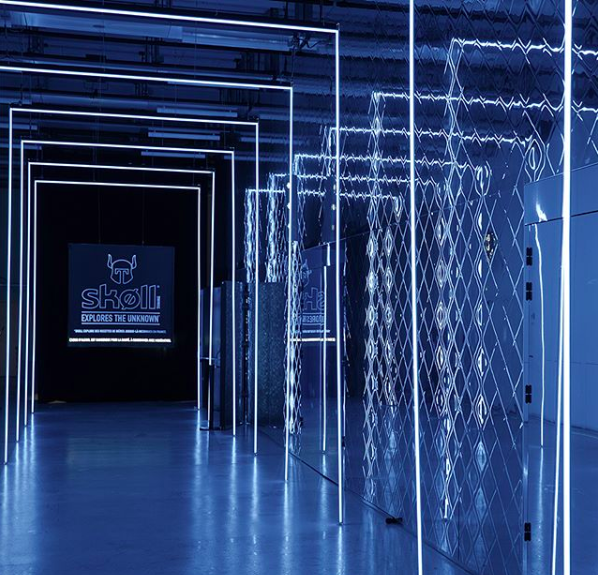
Skøll built its brand around the idea of “exploring the unknown.” To reinforce that positioning, the company activated a pop-up bar inside a disused metro station in Paris.
The unconventional venue created immediate intrigue and aligned directly with the brand’s adventurous identity. The activation incorporated light installations, mixology demonstrations and the launch of new packaging.
This example demonstrates how breweries can use unusual locations to:
- Differentiate from competitors
- Create shareable moments
- Reinforce brand storytelling
- Generate earned media
For younger or challenger brands, location can function as a powerful narrative tool.
Camden Town Brewery: Community-Led Engagement
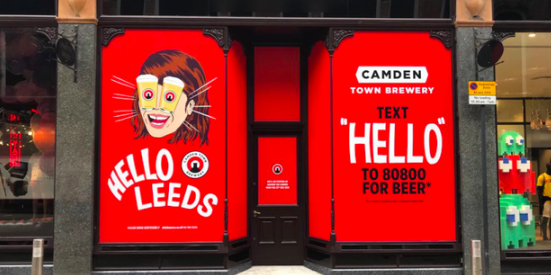
Camden Town Brewery expanded into Leeds with a week-long series of pop-up events that blended beer sampling with local culture.
Rather than focusing solely on product, the brand incorporated live music, comedy, art installations and collaborative workshops with local creatives. Events ranged from surprise gigs to interactive art experiences and even unconventional concepts such as a pop-up hairdresser.
This activation highlights how beer pop-ups can:
- Integrate into local culture
- Engage diverse audience segments
- Encourage repeat visits through programming
- Position the brand as community-driven
In markets where beer consumption is culturally embedded, experience often matters as much as taste.
Voodoo Brewing Co: Capturing High-Traffic Environments
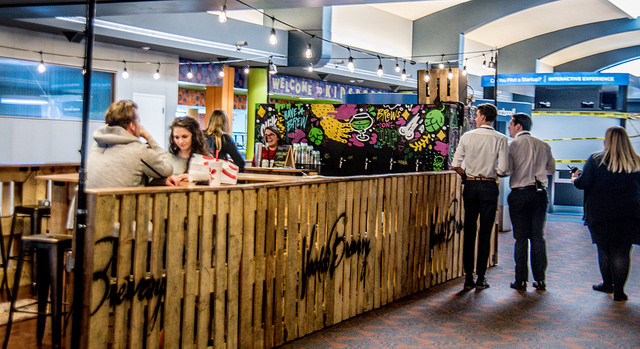
Voodoo Brewing Co chose a highly unconventional setting: Pittsburgh International Airport.
The compact pop-up pub recreated the atmosphere of a neighborhood bar within a travel hub, offering draft selections and practical amenities such as device charging stations.
By activating in an airport, the brand:
- Accessed consistent foot traffic
- Reached new audiences outside its core market
- Improved customer dwell time in a waiting environment
- Turned a transitional space into a destination
Pop-ups in transportation hubs or high-traffic commercial environments allow breweries to expand awareness beyond traditional nightlife districts.
Tiger Beer: Cultural Storytelling in New Markets
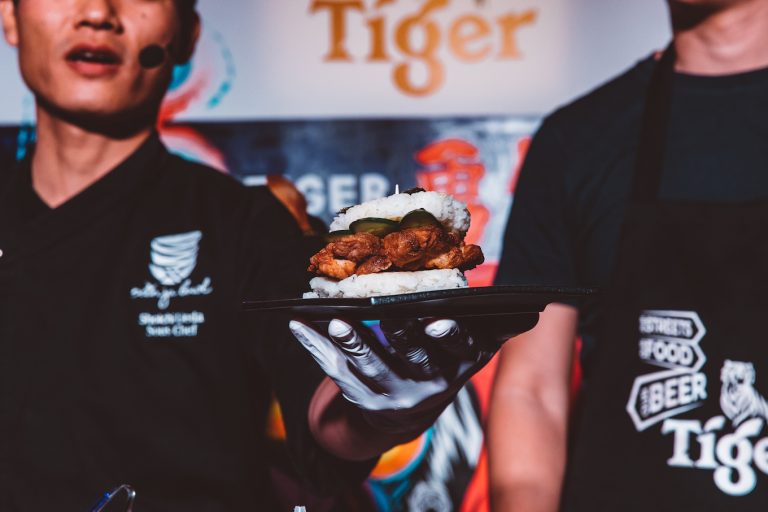
When expanding into Japan, Tiger Beer used a pop-up format to introduce Singaporean culture alongside its product.
The activation combined beer sampling with curated food collaborations and live music, creating a cultural exchange rather than a standard bar environment.
This strategy illustrates how international beer brands can:
- Bridge cultural differences
- Enter new markets with lower risk
- Align food and beverage storytelling
- Build brand familiarity through shared experiences
For global brands, pop-ups offer a flexible way to test reception before pursuing long-term distribution expansion.
What Successful Beer Pop-Ups Have in Common
Across Paris, Leeds, Pittsburgh and Tokyo, several consistent themes emerge:
- Location selection reinforces brand positioning
- Events and programming extend dwell time
- Food pairings enhance memorability
- Cultural alignment strengthens authenticity
- Sampling reduces purchase hesitation
Beer pop-ups succeed when they are more than temporary bars. They function as immersive social environments that combine product, entertainment and community.
For deeper insight into how immersive environments drive engagement across sectors, see our analysis of experiential retail case studies.
Frequently Asked Questions About Beer and Brewery Pop-Ups
Why do beer brands open pop-up bars?
Beer brands use pop-up bars to introduce new brews, host tastings and create immersive social environments that strengthen brand loyalty.
Are pop-up bars effective for launching new beers?
Yes. Sampling within a controlled, branded environment reduces hesitation and allows direct feedback before broader distribution.
How long do brewery pop-ups typically run?
They can run from a single weekend to several months, depending on whether the goal is seasonal activation, market testing or product launch.
Do beer pop-ups work in new international markets?
They are often used as low-risk entry strategies, allowing brands to gauge consumer response before committing to permanent distribution channels.
What makes a beer pop-up successful?
Strong location choice, integrated events, food pairings, cultural relevance and clear brand storytelling all contribute to performance.

- 5 Ecommerce Brands That Successfully Used Pop-Up Shops to Grow - May 29, 2023
- How Beer Brands Use Pop-Up Bars to Drive Sampling, Culture and Market Expansion - June 15, 2022
- 3 Pop-Up Stores For The Senses - August 17, 2018