
Pop-up stores have become a powerful way for brands to reach new audiences, test concepts, and create memorable experiences. One of the most effective audiences for these activations is students and young consumers.
While brands often refer to “campus pop-ups” or “college pop-up stalls,” most successful activations do not take place directly on university property. Instead, brands use retail spaces near campuses or mobile pop-up formats to reach students in high-traffic urban areas.
This approach allows companies to combine the flexibility of temporary retail with the energy and density of student populations.
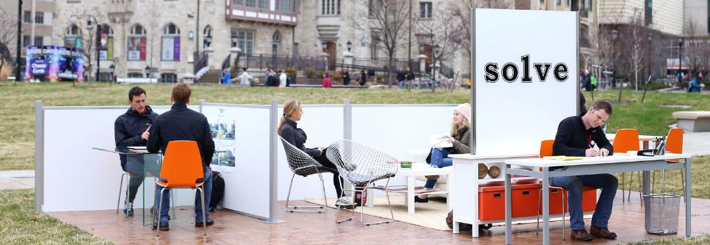
Why brands target students with pop-up activations
Students represent a highly engaged and trend-driven audience. They are early adopters, active on social media, and more likely to participate in interactive brand experiences.
Pop-up stores give brands a way to connect with this audience in a physical setting, which is often more impactful than digital-only campaigns.
Brands use pop-up activations to:
- Launch new products and services
- Build brand awareness among younger audiences
- Create shareable, social-first experiences
- Recruit talent or promote programs
For many companies, this is part of a broader strategy of bringing digital brands into the real world. If you want to understand how this works, this guide to ecommerce brands opening pop-up shops explains how online-first companies use physical retail to drive engagement.
Using retail spaces near campuses instead of on campus
Although the idea of a “college pop-up” suggests being on a university campus, most brands operate just outside campus boundaries.
This includes:
- High streets near universities
- Retail neighborhoods with heavy student footfall
- Transit hubs and commercial districts
This approach provides more flexibility, fewer restrictions, and access to a broader audience beyond just students.
Brands can quickly launch in major student-heavy cities using flexible retail spaces such as:
These locations allow brands to position themselves where students already spend time, rather than relying on access to campus property.
Mobile pop-ups: bringing the experience to students
Another effective approach is using mobile pop-up formats that can be deployed close to campuses.
A strong example is this Venmo mobile pop-up activation in New York, which was launched near New York University to promote its debit card.
Instead of securing a fixed retail space, Venmo used a glass-sided truck that could be positioned directly within its target area. The activation combined bold visual design with interactive elements, encouraging students to engage with the brand and share the experience on social media.
This type of mobile pop-up allows brands to:
- Reach students in high-density locations
- Create visually striking, shareable experiences
- Maintain flexibility in location and timing
For campaigns focused on awareness and engagement, this format can be more effective than traditional retail.
For brands
Ready to launch your pop-up?
Find and book your short-term retail space with Storefront.
Find a space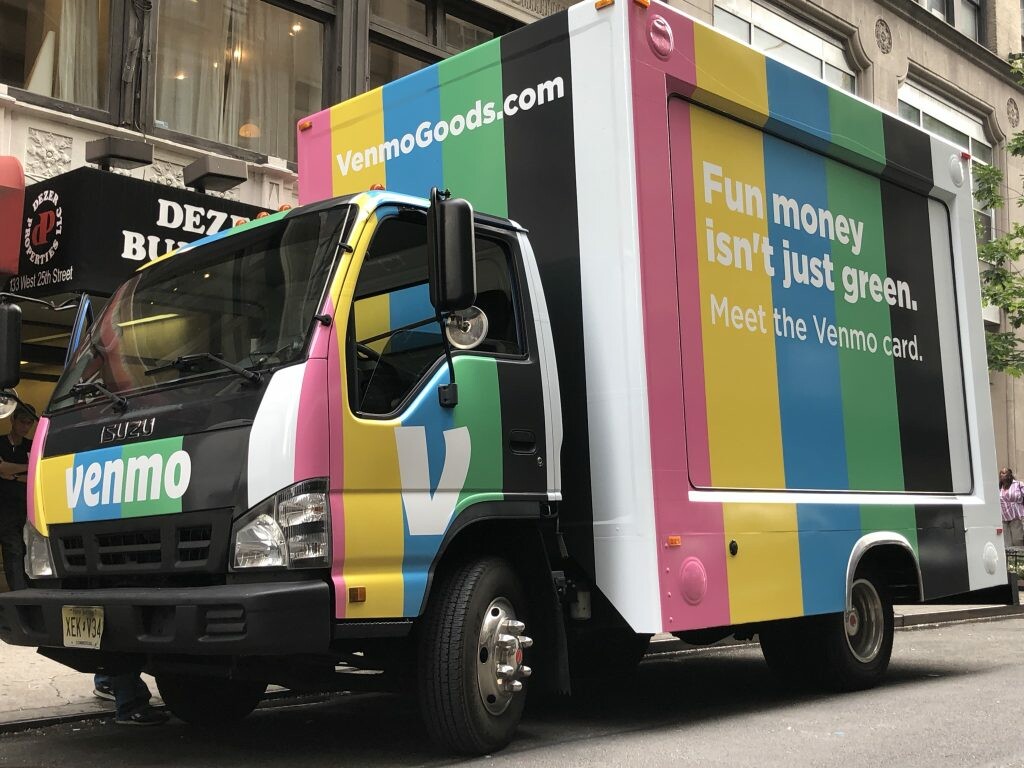
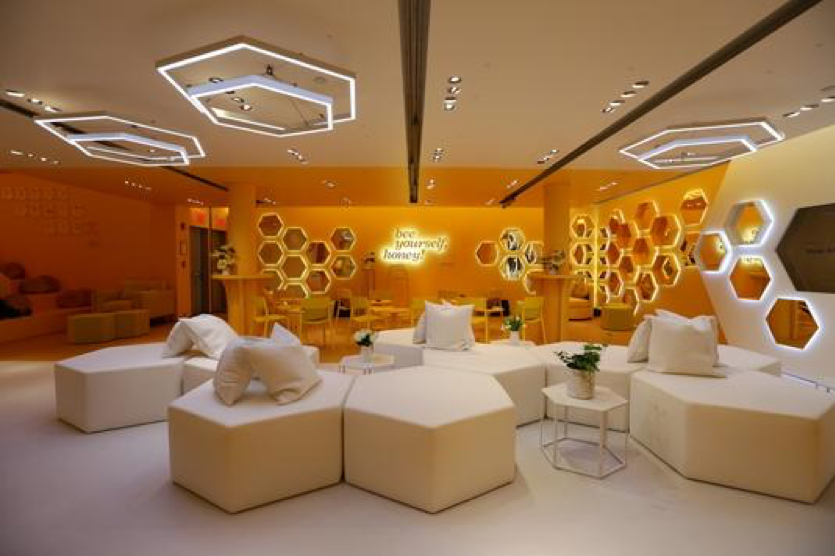
Pop-ups as a platform for education and engagement
Pop-up concepts are also widely used in the service sector and education-focused initiatives.
Pop-ups are not limited to retail brands. They are increasingly used across the service sector, from finance to education and community initiatives. Banks, for example, have launched temporary “micro-branches” to introduce new technologies, assist customers, and build trust in high-footfall locations . This shows how pop-up formats can be used to deliver services, not just sell products. If you want to explore this in more detail, this guide to how pop-up stores are used by the service sector breaks down real-world examples and strategies.
Organizations use temporary retail spaces to:
- Run workshops and training sessions
- Introduce new technologies or services
- Engage communities around specific topics
For example, initiatives like PopUp Business School have used temporary spaces to teach entrepreneurship skills to underserved communities. Similarly, brands such as Bumble have created pop-up environments designed for networking, discussion, and community building.
Banks and financial service providers have also used pop-up venues to educate customers about digital tools, apps, and services in a more accessible, hands-on way.
This shows that pop-ups are not just about selling products. They are about creating experiences that deliver value and build relationships.
Learning through pop-up retail
Pop-up stores are also used as a learning platform for students and entrepreneurs.
Educational institutions and business programs have used temporary retail spaces to:
- Showcase student projects
- Launch small businesses
- Provide hands-on retail experience
These activations allow participants to test ideas in real-world environments, interact with customers, and build practical skills.
This reinforces one of the key strengths of pop-up retail. It is not just a sales channel, but a flexible platform for experimentation, learning, and growth.
Why pop-up stores work for student-focused campaigns
Pop-up stores are particularly effective for reaching student audiences because they combine immediacy, experience, and social sharing.
They allow brands to:
- Create urgency through limited-time activations
- Deliver immersive, interactive experiences
- Encourage user-generated content
- Build direct connections with customers
This is especially important in competitive urban markets where attention is limited and digital channels are saturated.
Brands looking to execute these campaigns often start with temporary retail space for rent to test locations and formats before scaling.
Conclusion
Campus pop-ups and student-focused retail activations are a powerful way for brands to connect with younger audiences.
While most activations do not take place directly on campus, using nearby retail spaces or mobile pop-up formats allows brands to reach students effectively while maintaining flexibility.
From product launches to community engagement and education, pop-up stores provide a versatile platform for brands looking to create meaningful, real-world interactions.
As experiential retail continues to grow, these types of activations will play an increasingly important role in how brands build awareness, engagement, and long-term loyalty.
For brands
Ready to launch your pop-up?
Find and book your short-term retail space with Storefront.
Find a space
Written by
Adrien Kerbrat is Chief Revenue Officer and co-founder of Storefront. With more than 10 years in commercial real estate, he is an expert on the French market and short-term retail across Europe. Based in Bordeaux and often in Paris, he writes on pop-up strategy, retail location, and the French retail landscape.
More from Adrien Kerbrat →