
Fashion Week has evolved far beyond runway shows. Today, in cities like New York, Paris, London, and Milan, it’s a city-wide retail moment — one that presents a powerful opportunity for ecommerce and DTC brands to step into the physical world.
For digital-first brands looking to create buzz, test products, or connect with customers in person, Fashion Week pop-ups offer a high-impact entry point.
If you’re exploring how physical retail fits into your growth strategy, start with our Complete Guide to Ecommerce & DTC Brands Opening Pop-Up Shops — then consider how Fashion Week can amplify those efforts.
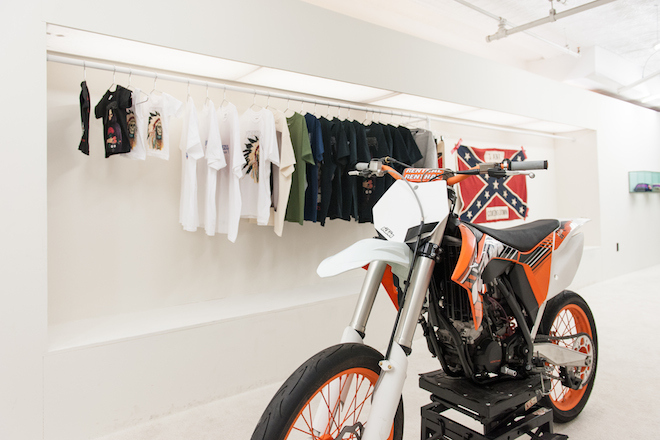
How Fashion Week Became a Retail Opportunity
Consumer expectations have shifted. Shoppers no longer want to wait months between runway and retail — they want immediacy, access, and experience.
This shift has transformed Fashion Week into:
- Shoppable presentations
- Experiential brand activations
- Immersive pop-ups
- See-now-buy-now launches
- Influencer and community-driven events
Rather than being exclusive to legacy fashion houses, Fashion Week now creates space for emerging and digital-native brands to participate — without needing an official runway slot.
For DTC brands especially, this moment represents something bigger than a fashion event: it’s a concentrated gathering of press, buyers, influencers, stylists, and highly engaged consumers.
Why Fashion Week Works for Ecommerce & DTC Brands
Fashion Week pop-ups align perfectly with modern DTC growth strategies. Here’s why:
1. A Highly Targeted Audience
Fashion Week attracts fashion-forward consumers, media professionals, buyers, and industry insiders. For brands in apparel, beauty, accessories, or lifestyle categories, it’s direct access to a relevant and engaged audience.
Instead of broad awareness campaigns, you can activate in front of people who already care.
2. Immediate Brand Credibility
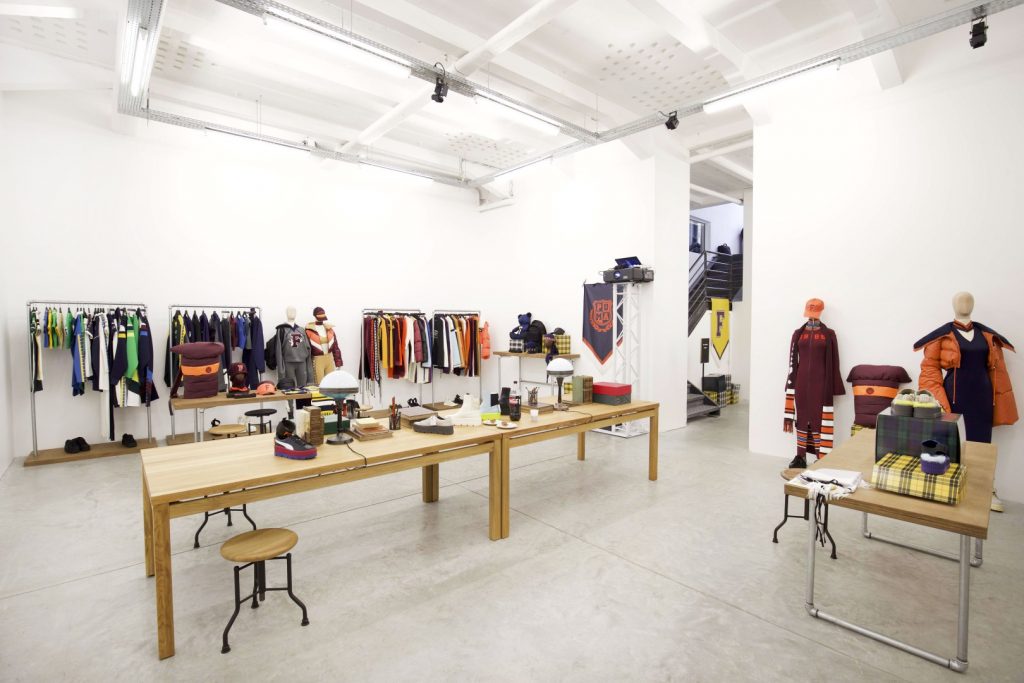
Showing up physically during Fashion Week places your brand within the cultural conversation. Even without an official runway show, hosting a pop-up or showroom positions your brand alongside industry leaders.
For emerging DTC brands, this can accelerate trust and perceived authority.
3. A Built-In Testing Environment
Fashion Week is an ideal real-world laboratory.
Use your pop-up to:
- Test new collections
- Gauge reaction to pricing
- Collect qualitative feedback
- Observe customer behavior
- Trial limited-edition drops
The concentrated energy and foot traffic make it an efficient testing ground before committing to long-term retail.
4. Press & Influencer Exposure
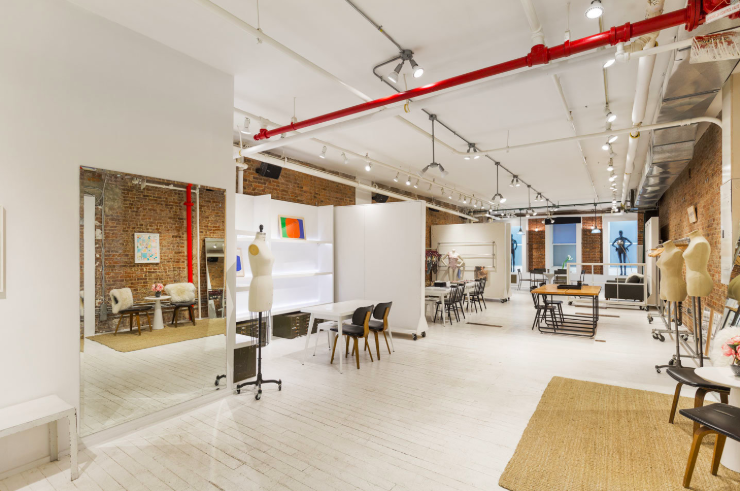
With global media and content creators covering Fashion Week, pop-ups become content hubs. A well-designed activation can generate:
- Social media coverage
- Press mentions
- Influencer partnerships
- User-generated content
The return isn’t just transactional — it’s long-term brand awareness.
5. Bridging Online and Offline
For ecommerce brands, Fashion Week pop-ups aren’t just about on-site sales. They can function as:
- Click-and-collect hubs
- Exclusive launch venues
- VIP styling lounges
- Community events
- Content creation spaces
Blending digital and physical experiences strengthens loyalty and increases lifetime value — a core principle outlined in our Ecommerce & DTC Pop-Up Guide.
Where to Host a Fashion Week Pop-Up
The four global Fashion Week capitals each offer distinct advantages:
- Paris – Ideal for luxury, emerging designers, and showroom formats
→ Explore Paris Fashion Week showroom spaces - London – Known for creativity and experimental concepts
→ View showroom spaces for London Fashion Week - New York – High media visibility and strong DTC audience presence
→ Explore our New York Fashion Week showrooms - Milan – Premium positioning and strong international buyer presence
→ Book a showroom at Milan Fashion Week
How to Plan a Fashion Week Pop-Up (The DTC Way)
Opening a pop-up during Fashion Week requires more intention than a standard retail activation. In addition to the fundamentals — setting goals, budgeting, securing a space, staffing, and promotion — consider these additional strategies:
Create a Reason to Enter
Don’t rely on foot traffic alone. Offer:
- Limited drops
- Exclusive previews
- Styling sessions
- Events or panels
- Influencer appearances
Experience drives attendance.
Design for Shareability
Your space should be visually compelling and content-friendly. Fashion Week is a media moment — build something worth photographing.
Integrate Your Online Store
Make it easy for visitors to:
- Scan QR codes
- Shop extended inventory online
- Join your email/SMS list
- Follow on social
Fashion Week pop-ups should grow your digital channels — not just generate short-term sales.
Capture Data, Not Just Revenue
Collect feedback. Track top-performing SKUs. Identify your most engaged visitors. Use the activation to inform your next retail or marketing decision.
Fashion Week as a Growth Lever for DTC Brands
For ecommerce brands, Fashion Week is no longer just a spectacle — it’s a strategic retail opportunity.
Pop-ups during major fashion moments allow DTC brands to:
- Enter new markets
- Strengthen community
- Validate demand
- Generate press
- Drive omnichannel growth
And as more digital-native brands explore physical retail, temporary activations remain the most flexible and cost-effective way to do it.
If you’re considering a Fashion Week activation, start by understanding how pop-ups fit into your broader strategy in our Complete Guide to Ecommerce & DTC Brands Opening Pop-Up Shops — then explore available Fashion Week showrooms in your target city.
Ready to launch your Fashion Week pop-up?
Find the perfect showroom space and bring your brand offline — at exactly the right moment.

- How Knotel Used a Pop-Up Showroom in New York to Demonstrate Its Agile Office Concept - March 11, 2026
- How Amnesty International Used a Pop-Up Store in Amsterdam to Launch the “World Peace” Campaign - March 10, 2026
- How Brands Use Pop-Up Spaces During Art Basel Miami to Reach Global Audiences - March 10, 2026
Related posts:
 23 Smart Pop Up Shop Ideas to Steal From These Successful Brands
 How OnTheList Used Pop-Up Stores to Build and Scale a Retail Concept in Hong Kong
 How To Connect With Generation Z Using Pop-Up Stores
 How Butterboom Used Pop-Up Stores to Bring Online Fashion Brands Into Hong Kong Retail
 How SELFNATION Used a Pop-Up Store in London to Introduce Custom-Fit Denim