

One of the most common questions brands ask when planning temporary retail is: How long should a pop-up shop last?
The answer depends on your objectives.
A pop-up can run for a single day, a weekend, a month, or even several months. The ideal duration is determined by your goals, budget, location, and marketing strategy — not by a fixed industry rule.
If you’re new to temporary retail, start with our guide to what a pop-up shop is and how it works.
This article focuses specifically on timing: how to choose the right length for your activation and how duration impacts performance.
There Is No “Perfect” Length — Only the Right Fit for Your Goal
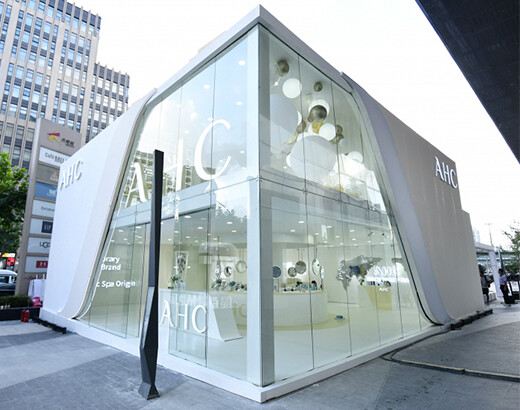
Before deciding how long your pop-up shop should last, define what success looks like.
Are you trying to:
- Launch a new product?
- Test a new market?
- Generate press coverage?
- Drive immediate sales?
- Build long-term brand awareness?
- Validate demand before opening a permanent store?
Your objective determines your timeline.
For a full framework on planning, see our complete guide on how to open a pop-up store.
Common Pop-Up Shop Durations (And When They Work Best)
1–3 Days: Event-Driven Pop-Ups
Best for:
- Product launches
- Limited drops
- Brand collaborations
- Cultural or seasonal moments
Short pop-ups create urgency. Customers know they have a limited window, which can drive faster purchasing decisions and higher footfall in a compressed timeframe.
However, short activations require strong pre-event marketing. Without it, you risk low turnout simply because awareness didn’t build quickly enough.
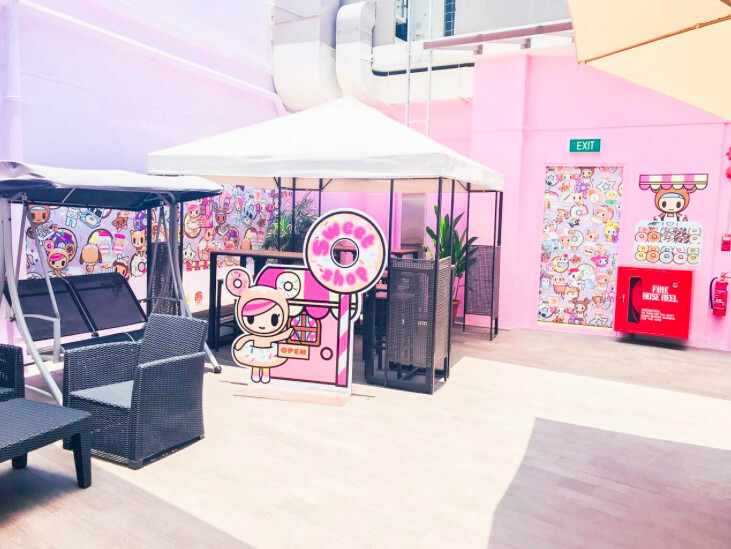
1–2 Weeks: Market Testing
Best for:
- Testing new cities
- Gauging offline demand
- Measuring conversion rates
- Collecting qualitative customer feedback
A one- to two-week activation gives you enough time to:
- Build word-of-mouth
- Gather meaningful data
- Adjust merchandising mid-run
This format is often ideal for ecommerce and DTC brands exploring physical retail for the first time.
If you’re still building the business case, review the key business benefits of pop-up shops.
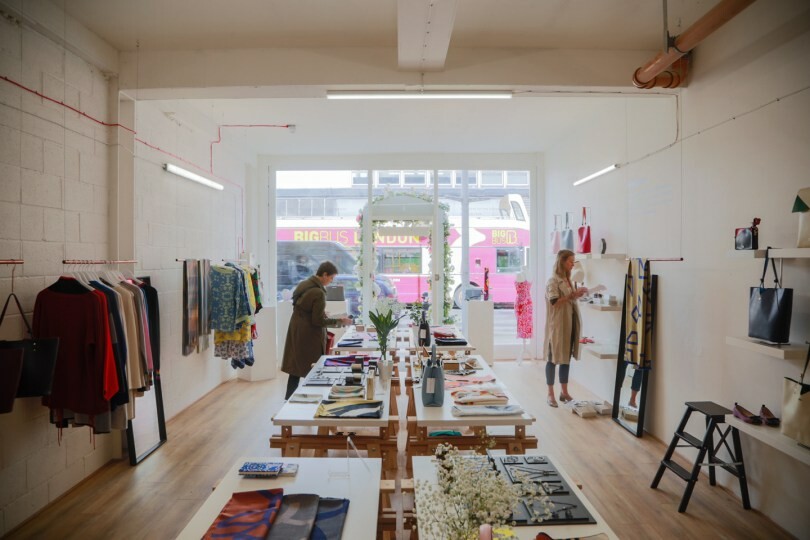
1–3 Months: Brand Building & Revenue Generation
Best for:
- Entering new markets
- Sustained brand presence
- Seasonal retail
- Omnichannel expansion
Longer pop-ups allow:
- Stronger customer relationships
- Repeat visits
- Local brand recognition
- Steadier revenue accumulation
They also require more inventory planning, staffing consistency, and marketing support.
If budget is a deciding factor, consult our detailed breakdown of how much a pop-up shop costs.
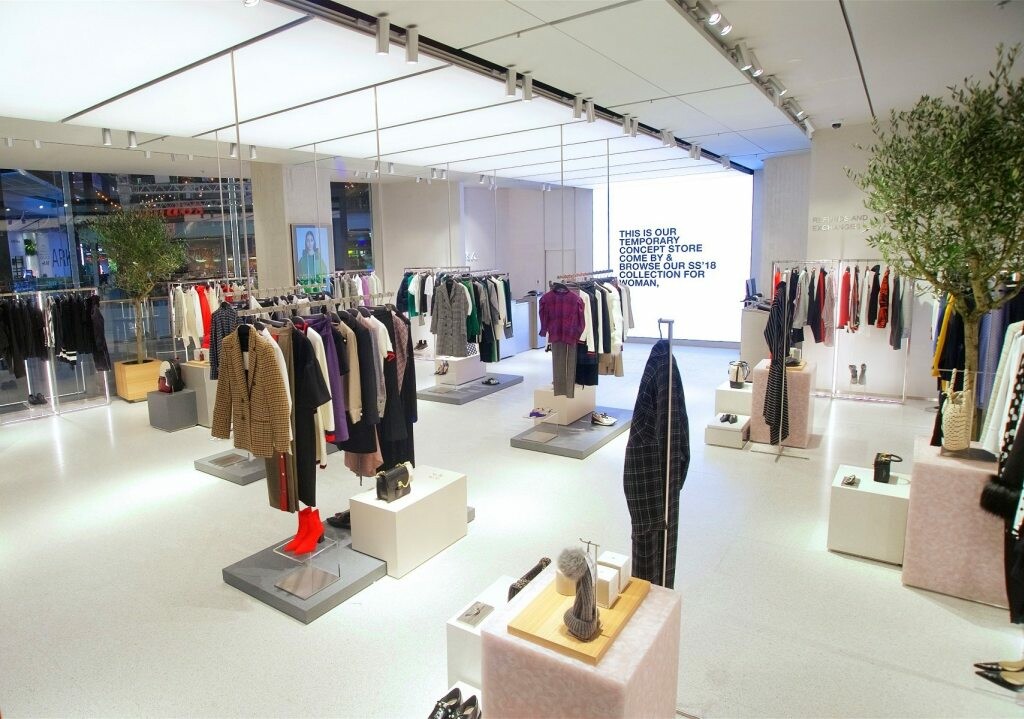
Key Factors That Should Influence Your Decision
1. Marketing Runway
The shorter your pop-up, the more aggressive your marketing must be before opening.
If you need time to:
- Build awareness
- Partner with influencers
- Generate press coverage
A longer duration may produce stronger results.
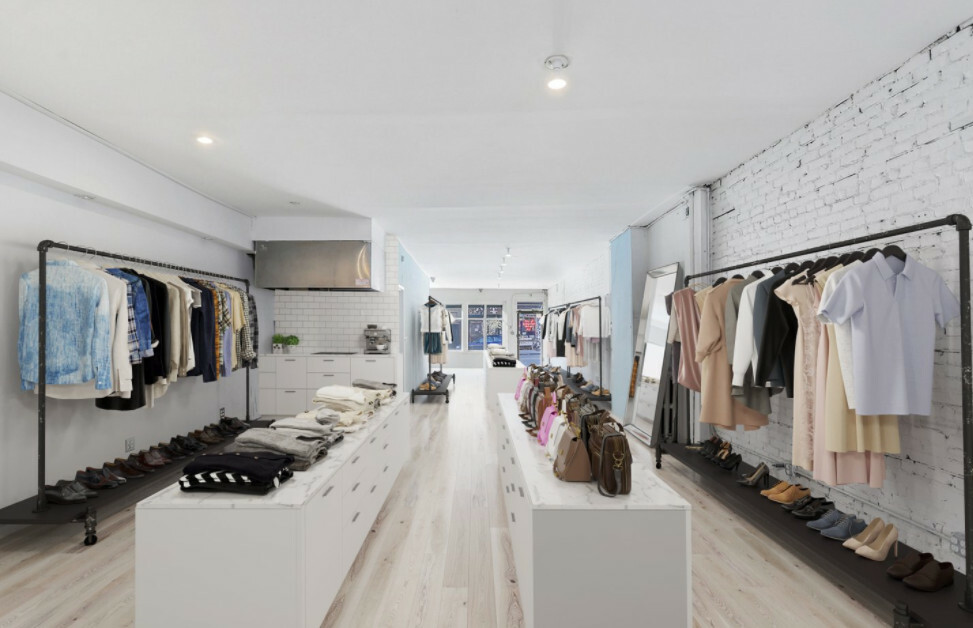
2. Location & Foot Traffic
High-traffic retail districts may allow shorter runs to succeed quickly.
In emerging neighborhoods or secondary cities, you may need additional time to generate awareness and consistent visitor flow.
If you’re planning in a major retail hub, explore available spaces in:
- London pop-up and retail spaces
- New York spaces for retail and pop-up stores
- Paris pop-up shops on Storefront
For city-specific strategy guides, see:
3. Inventory & Supply Chain
If you are testing limited inventory, a shorter duration may make sense.
If you are launching a full seasonal collection, a longer activation provides more opportunity to move stock and refine merchandising.
4. Budget & Risk Tolerance
Short-term pop-ups reduce rental exposure and staffing costs.
Longer durations increase upfront investment but allow more time to generate ROI.
Choosing duration is often a balance between financial comfort and growth ambition.
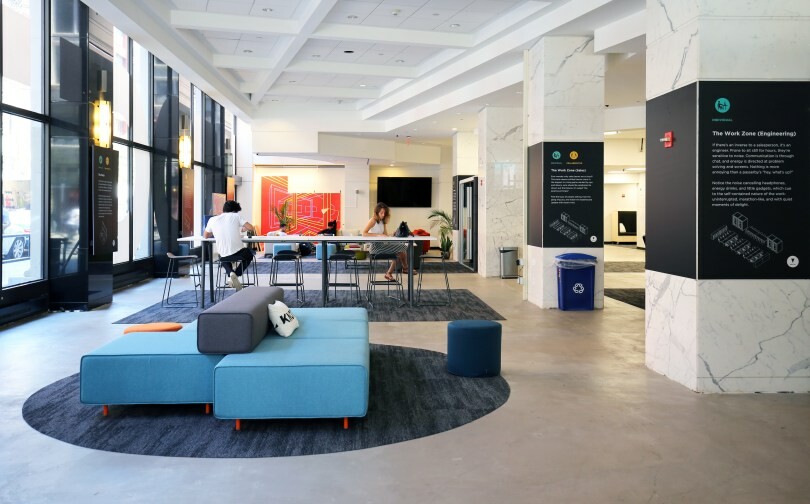
Short-Term vs Long-Term Pop-Ups: Strategic Trade-Offs
| Short-Term | Long-Term |
|---|---|
| Higher urgency | Greater brand visibility |
| Lower total rent | More time to build momentum |
| Strong launch impact | Opportunity for repeat customers |
| Risk of low awareness | Requires deeper operational planning |
The most successful brands align duration with objective — not with trend.
How to Maximize Impact at Any Duration
Regardless of how long your pop-up lasts, you should:
- Set clear KPIs before opening
- Track foot traffic and conversion rates
- Capture customer data
- Integrate online and offline sales
- Create shareable in-store experiences
The goal is not just revenue during the activation — but sustained growth afterward.
For a complete launch roadmap, revisit our guide to how to open a pop-up store successfully.
When Should You Extend a Pop-Up?
Sometimes a temporary shop outperforms expectations.
Consider extending if:
- Daily revenue consistently exceeds projections
- Customer acquisition costs are lower than online
- You see strong repeat visitation
- Inventory turnover remains healthy
Many brands use pop-ups as stepping stones toward permanent retail.
FAQ: Pop-Up Shop Duration
How long does a typical pop-up shop last?
Most pop-up shops last between one week and three months. The optimal duration depends on your goals, budget, and location.
Is a weekend pop-up long enough?
Yes, if it is event-driven and supported by strong marketing. Weekend pop-ups work well for product launches, collaborations, and limited drops.
How long should a pop-up shop last to test a market?
One to two weeks is usually sufficient to gather meaningful customer data, measure conversion rates, and assess offline demand.
Are longer pop-ups more profitable?
Not necessarily. Longer durations provide more time to generate revenue, but they also increase operating costs. Profitability depends on location, demand, and execution.
Can you extend a pop-up shop if it performs well?
Yes. Many landlords allow extensions if the space remains available. Brands often extend successful activations or transition into longer-term leases.
Does pop-up duration affect marketing strategy?
Absolutely. Short pop-ups require concentrated pre-launch marketing, while longer pop-ups benefit from sustained campaigns and local partnerships.
Final Thoughts
There is no universal rule for how long a pop-up shop should last.
The right duration aligns with your objective, budget, location, and marketing strategy.
Short-term activations create urgency and buzz. Longer activations build relationships and sustained revenue. The key is clarity: define your goal first, then choose your timeline accordingly.
If you’re ready to explore available retail spaces for your next activation, you can browse short-term options directly on Storefront.

- Pop Up Shops in Chicago: The Complete Guide to Opening a Temporary Retail Space - February 11, 2026
- How Long Should The Pop-Up Shop Last? - December 7, 2024
- Reaping the Benefits of Long-Term Pop Up Stores: Tips and Advice - December 23, 2022
Related posts:
 What is a pop-up shop? Everything you need to know to try short-term retail
 How to Set Up a Pop-Up Art Gallery: 8 Steps to Renting and Launching Your Exhibition
 10 Best Tips For Offline Retail Campaign Ideas
 The 5 Types of Pop-Up Shops (With Examples) & How to Choose the Right One
 How to set up a pop-up shop in 6 stages. Set yourself up for success with this handy checklist