

Pop-up art galleries are increasingly popular with artists, photographers, designers, and curators. They offer flexibility, lower financial commitment, and the ability to test new audiences without signing a long-term lease.
Whether you’re planning your first exhibition or expanding into a new city, renting a short-term gallery space allows you to create impact quickly and professionally.
This guide walks you through eight essential steps to planning, renting, and launching a successful pop-up art gallery.
If you’re already exploring venues, you can browse curated art gallery exhibition spaces for rent or search available spaces in major art markets like New York, London, Paris, Miami, and Milan.
1. Establish the Goal of Your Pop-Up Art Gallery
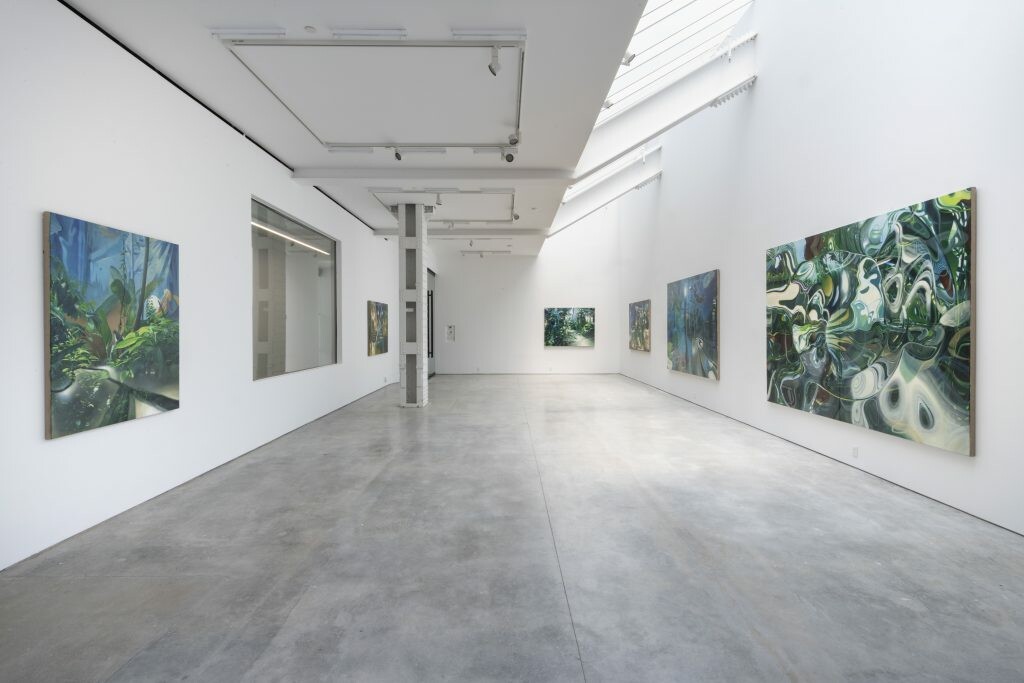
Before renting a gallery space, define what success looks like.
Are you launching a new body of work? Testing a new neighborhood? Trying to increase sales? Building relationships with collectors? Aligning with a major art fair?
Pop-up galleries can serve multiple purposes, but clarity is critical. A focused objective will guide your location choice, budget, marketing strategy, and exhibition duration.
Think long-term as well. Could this be the first in a series of pop-up exhibitions? Could it support expansion into a new city?
2. Develop a Clear Exhibition Concept
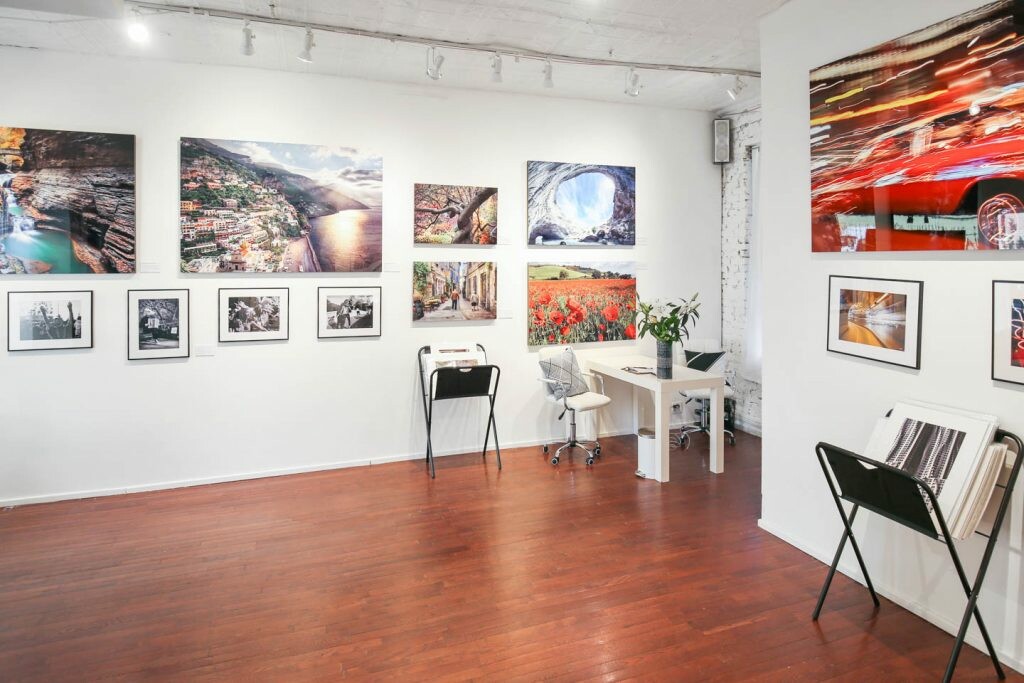
Once your goals are defined, build a strong concept around them.
The temporary nature of a pop-up gallery gives you creative freedom. Use that flexibility strategically. Keep the concept cohesive and aligned with your artistic identity.
A strong theme helps attract press attention, encourages word-of-mouth marketing, and makes your exhibition more memorable.
The concept should influence everything — layout, lighting, promotional messaging, and even your opening event.
3. Find the Right Pop-Up Gallery Space
The venue you choose can significantly influence turnout and sales.
Location matters. Consider foot traffic, proximity to other galleries, and accessibility for your target audience.
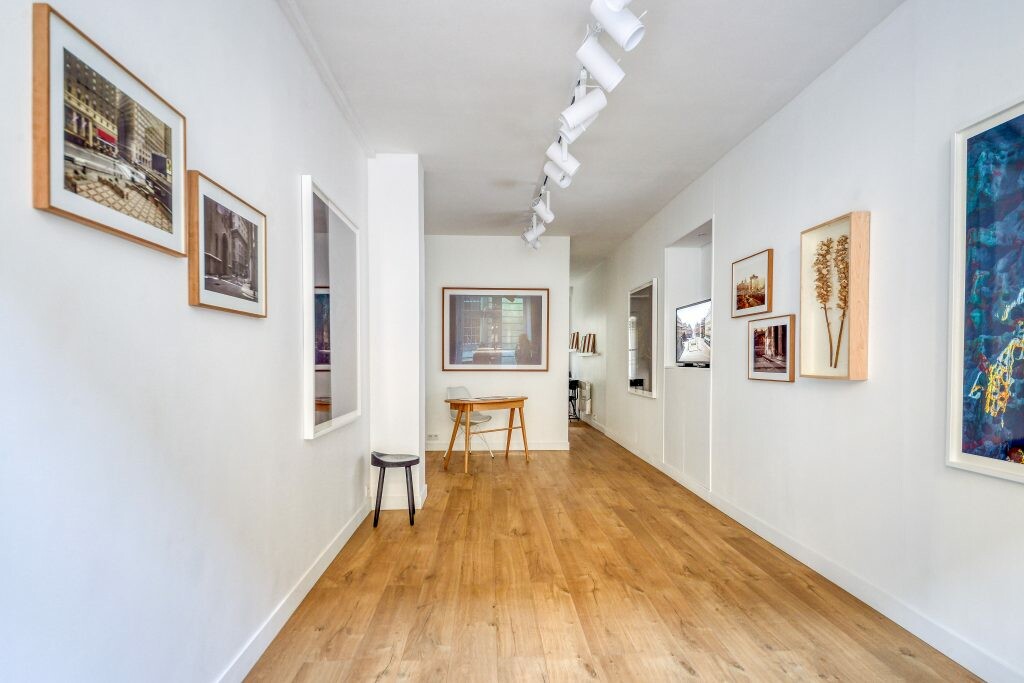
The physical space also matters. Evaluate lighting, ceiling height, wall condition, layout flow, and installation flexibility.
Short-term rental options are widely available across major art cities. You can explore available gallery venues in New York, London, Paris, Miami, and Milan. Comparing multiple listings helps you align your concept with the right environment.
4. Negotiate Rental Terms
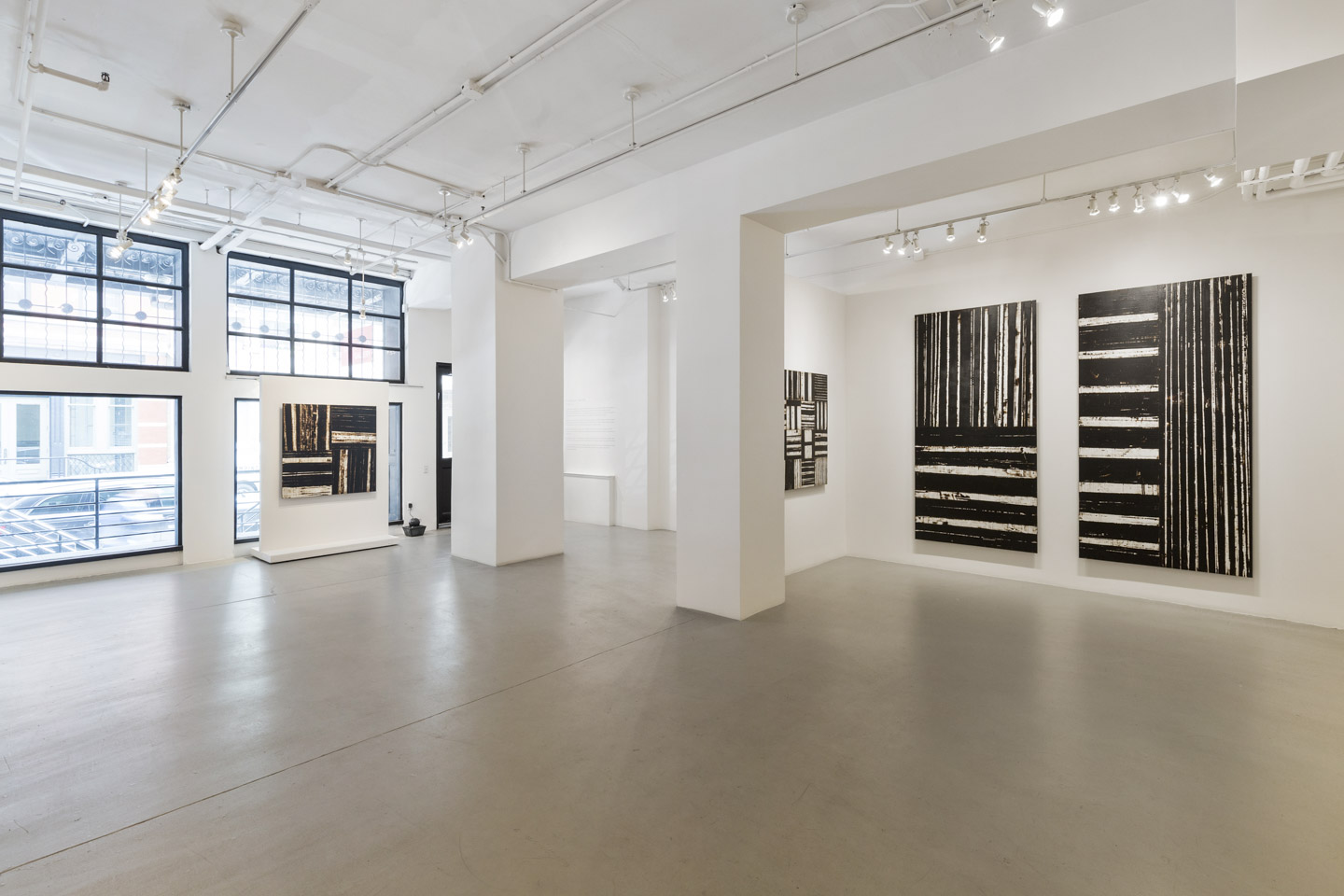
Many vacant spaces are well-suited for temporary art exhibitions, and property owners are often receptive to short-term gallery activations.
Because the space may not be generating income, landlords are sometimes flexible with duration and terms. Clarify:
- Rental duration
- Load-in and load-out windows
- Insurance requirements
- Wall modification permissions
- Staffing obligations
Understanding these details early avoids costly surprises later.
5. Budget Realistically
Gallery rental pricing depends heavily on city, size, and duration. Beyond base rent, you should account for installation materials, lighting adjustments, insurance, marketing, and staffing.
For a detailed breakdown of what affects pricing, read our guide on how much it costs to rent an art gallery.
Budget clarity helps you define sales targets and determine whether a short-term activation aligns with your goals.
If you’re looking to reduce expenses strategically, our guide on how to create a low-budget pop-up art gallery outlines practical cost-saving approaches.
6. Promote Your Pop-Up Art Gallery
Promotion determines attendance.
Traditional outreach methods such as flyers and posters can be effective locally, but digital promotion is critical. Use social media, email newsletters, and partnerships with other artists or creative businesses.
If you are launching in a new market, connecting with the local art community and media outlets can significantly increase visibility.
Short-term exhibitions benefit from urgency. Make the limited duration central to your messaging.
For insight into how artists are leveraging temporary exhibitions strategically, see our analysis of why artists are choosing pop-up galleries.
7. Plan Your Setup and Exhibition Design
Since your gallery is temporary, avoid expensive permanent build-outs.
Focus on lighting, layout, and presentation. Ensure key pieces are visible upon entry. Allow adequate space between works. Consider visitor flow and where conversations with collectors are most likely to happen.
Budget carefully for installation materials, signage, and potential furniture rentals.
If you plan to host multiple pop-ups, investing in reusable fixtures may make sense — but only if you are confident in future activations.
8. Choose the Right Timing
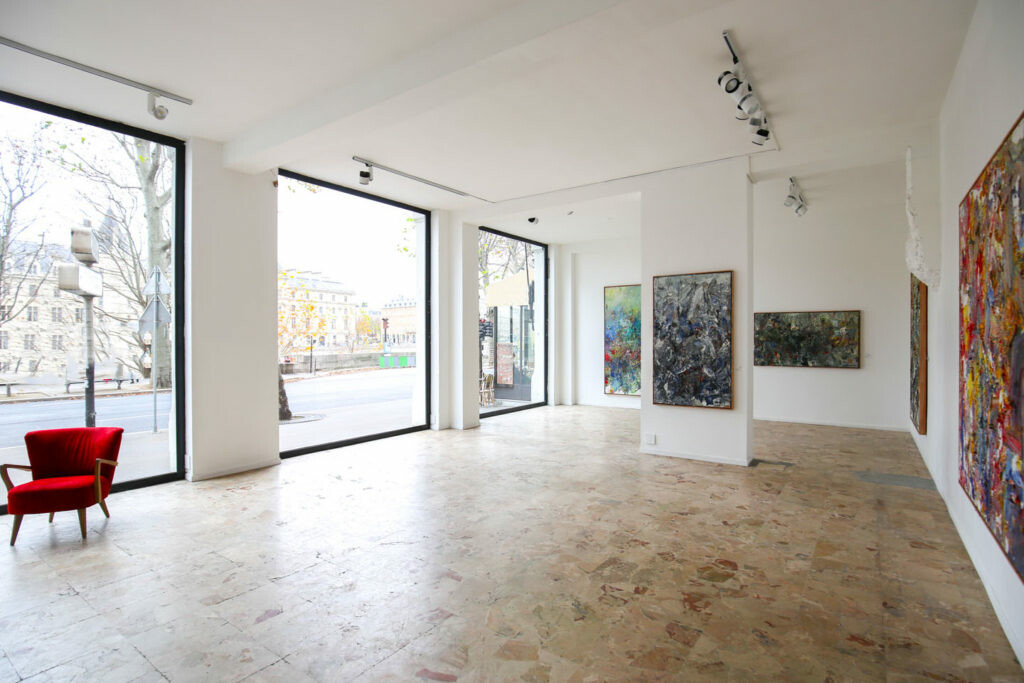
Timing can amplify success.
Avoid scheduling your exhibition during competing events unless they align with your audience. Conversely, aligning with art fairs, gallery walks, or industry events can increase foot traffic.
Temporary exhibitions are powerful because they create a defined window of opportunity. Planning your dates strategically can significantly influence turnout.
Frequently Asked Questions
How much does it cost to rent a pop-up art gallery?
Costs vary depending on city, size, and duration. In major art cities, short-term rentals may range significantly higher than in emerging neighborhoods. Always factor in insurance and marketing expenses beyond base rent.
Can I rent a gallery for just one weekend?
Yes. Many venues offer weekend or short-term bookings, making pop-up exhibitions highly flexible.
Do I need insurance for a pop-up exhibition?
Most venues require liability coverage. You may also want insurance covering the artwork itself.
How far in advance should I book?
If you are ready to explore available venues, browse current art gallery listings in New York, London, Paris, Miami, and Milan, or view curated art gallery exhibition spaces for rent.
Pop-up art galleries provide a powerful way to create impact without long-term commitment. By defining your goals, choosing the right venue, managing your budget, and promoting strategically, you can transform a short-term rental into a meaningful career milestone.
To explore available short-term art gallery spaces, browse curated listings in New York, London, Paris, Miami, and Milan, or view curated art gallery exhibition spaces for rent.

- How Pandora Hosted a Press Day in Paris to Showcase Its New Collection - March 14, 2026
- How Bulletin Uses Pop-Up Stores to Build Its Brand in New York - March 13, 2026
- How MM.LaFleur Uses Pop-Up Stores to Grow Its Retail Strategy - March 12, 2026
Related posts:
 How to Create a Low-Budget Pop-Up Art Gallery (Without Compromising Impact)
 What is a pop-up shop? Everything you need to know to try short-term retail
 10 Best Tips For Offline Retail Campaign Ideas
 The 5 Types of Pop-Up Shops (With Examples) & How to Choose the Right One
 How to set up a pop-up shop in 6 stages. Set yourself up for success with this handy checklist