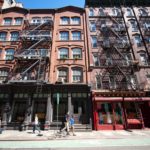
Nolita is one of New York’s most compact and character-driven neighborhoods, offering a unique blend of independent retail, boutique galleries, and design-led spaces. Located just north of Little Italy and adjacent to SoHo and the Lower East Side, it attracts a highly curated mix of locals, tourists, and fashion-conscious visitors.
For brands comparing neighborhoods in New York, Nolita stands out for its intimacy and discoverability. It is not defined by scale or volume, but by experience. Pop-up shops, showrooms, and exhibitions here benefit from a slower pace and a more engaged audience. You can explore how it fits within the wider city through commercial spaces across New York or browse current availability in Nolita.
What Makes Nolita Different
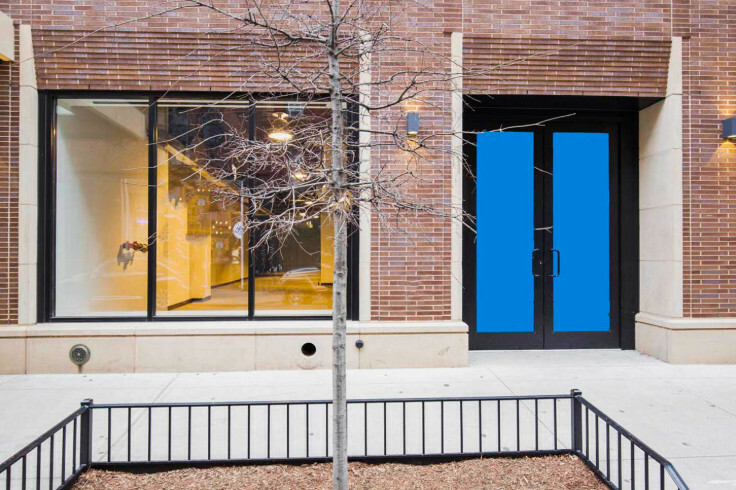
Nolita’s identity is shaped by its small streets, historic buildings, and strong independent retail scene. Unlike larger retail districts, the neighborhood encourages exploration, with visitors moving between boutiques, cafés, and galleries within just a few blocks.
Compared to nearby SoHo, which is dominated by flagship stores and heavy foot traffic, Nolita offers a more curated and less commercialized environment. Compared to the Lower East Side, it feels more polished and retail-focused, while still maintaining a creative edge.
This balance makes Nolita particularly attractive for brands looking to create a controlled, design-led experience rather than a high-volume retail activation.
For a broader view of how Nolita compares across the city, this ranking of the best neighborhoods for a pop-up shop in New York provides additional context.
Where Different Concepts Perform Best
Within Nolita, a few key streets define how the neighborhood functions.
Mulberry Street is one of the most recognizable streets in the area, with a mix of heritage and modern retail. It works well for pop-up shops and brand activations that benefit from steady foot traffic. You can explore Mulberry Street spaces in Nolita.
Mott Street offers a slightly more local and design-driven atmosphere, often used by independent brands and concept stores. It is well suited to curated retail experiences and smaller-scale activations. Browse Mott Street retail spaces.
Elizabeth Street is known for its boutique feel and strong aesthetic identity. It is often chosen for showroom concepts and gallery-style retail. See opportunities along Elizabeth Street in Nolita.
Across the neighborhood, proximity to SoHo and the Lower East Side increases visibility while maintaining Nolita’s more intimate atmosphere.
Matching Space Types to Your Project
Different types of spaces in Nolita support different creative and commercial goals.
Pop-up shops in Nolita are typically highly curated, with a focus on brand storytelling, product presentation, and visual identity. These spaces often feel closer to concept stores than traditional retail. You can explore pop-up shop spaces in Nolita.
Gallery and exhibition spaces benefit from the neighborhood’s creative audience and slower pace. These spaces are often used for installations, exhibitions, and hybrid retail-art concepts. Browse gallery spaces in Nolita.
Event spaces in Nolita are generally more intimate, making them ideal for launches, private events, and community-driven activations. You can view event spaces in Nolita.
Showrooms are also a strong use case, particularly for fashion and design brands looking for a controlled environment in a central location. Explore showroom spaces in Nolita.
Nolita vs Other New York Neighborhoods
Nolita is often chosen by brands looking for a middle ground between scale and intimacy.
Compared to the Lower East Side, Nolita is more retail-focused and curated.
Compared to Williamsburg, it offers a more central Manhattan location with a slightly more fashion-driven audience.
SoHo, just next door, provides higher foot traffic but less control over the customer experience.
For a broader overview of how to plan a launch in the city, this New York pop-up shop guide outlines key considerations.
When to Choose Nolita
Nolita is particularly effective if your goal is to:
- Launch a brand in a curated, design-led environment
- Create a pop-up shop focused on storytelling and experience
- Host small-scale events or private activations
- Build visibility within a fashion-conscious audience
It may be less suited to brands focused on high-volume retail or large-scale activations, where areas like SoHo or major retail corridors may be more appropriate.
Planning a Nolita Activation
Success in Nolita often comes down to detail.
Because the neighborhood is smaller and more intimate, execution matters. Storefront design, window displays, and overall aesthetic have a significant impact on performance.
Foot traffic is steady but not overwhelming, which means brands need to attract attention through creativity rather than scale.
Concepts that feel considered, visually strong, and aligned with the neighborhood’s identity tend to perform best.
Explore Nolita Spaces
For brands evaluating New York neighborhoods, Nolita offers a unique mix of central location, curated retail, and creative energy.
You can explore all Nolita commercial spaces or refine your search by format, including pop-up shops, gallery spaces, event spaces, and showrooms.
FAQ: Pop-Up Shops, Galleries, and Showrooms in Nolita
Why is Nolita popular for pop-up shops?
Nolita attracts a design-conscious and fashion-driven audience. Its small scale and curated retail environment make it ideal for brands focused on storytelling and experience.
What types of spaces are available in Nolita?
The neighborhood offers boutique retail spaces, gallery-style venues, showrooms, and small event spaces suited to curated activations.
How does Nolita compare to SoHo?
Nolita is smaller and more curated, while SoHo offers higher foot traffic and larger retail spaces.
Is Nolita suitable for gallery exhibitions?
Yes. Nolita’s creative audience and slower pace make it well suited to exhibitions, installations, and hybrid retail concepts.
When is the best time to host a pop-up in Nolita?
Foot traffic is consistent throughout the week, with weekends typically seeing increased activity from both locals and tourists.

- Automotive Pop-Up Shops: How Car Brands Use Temporary Showrooms to Launch, Test and Sell - March 30, 2026
- Pop-Up Banks: How Financial Services Are Using Pop-Up Branches to Reach Customers - March 30, 2026
- Campus Pop-Ups: How Brands Use Pop-Up Stores to Reach Students and Build Engagement - March 30, 2026