

Williamsburg is the Brooklyn address brands ask for by name, and the highest-demand short-term retail district in the borough. The consequence is the thing most briefs get wrong: it no longer prices or behaves like an emerging neighborhood. Bedford Avenue and North 6th Street carry national and international brands, and a short let here is bought at close to Manhattan expectations rather than as a cheaper alternative to it.
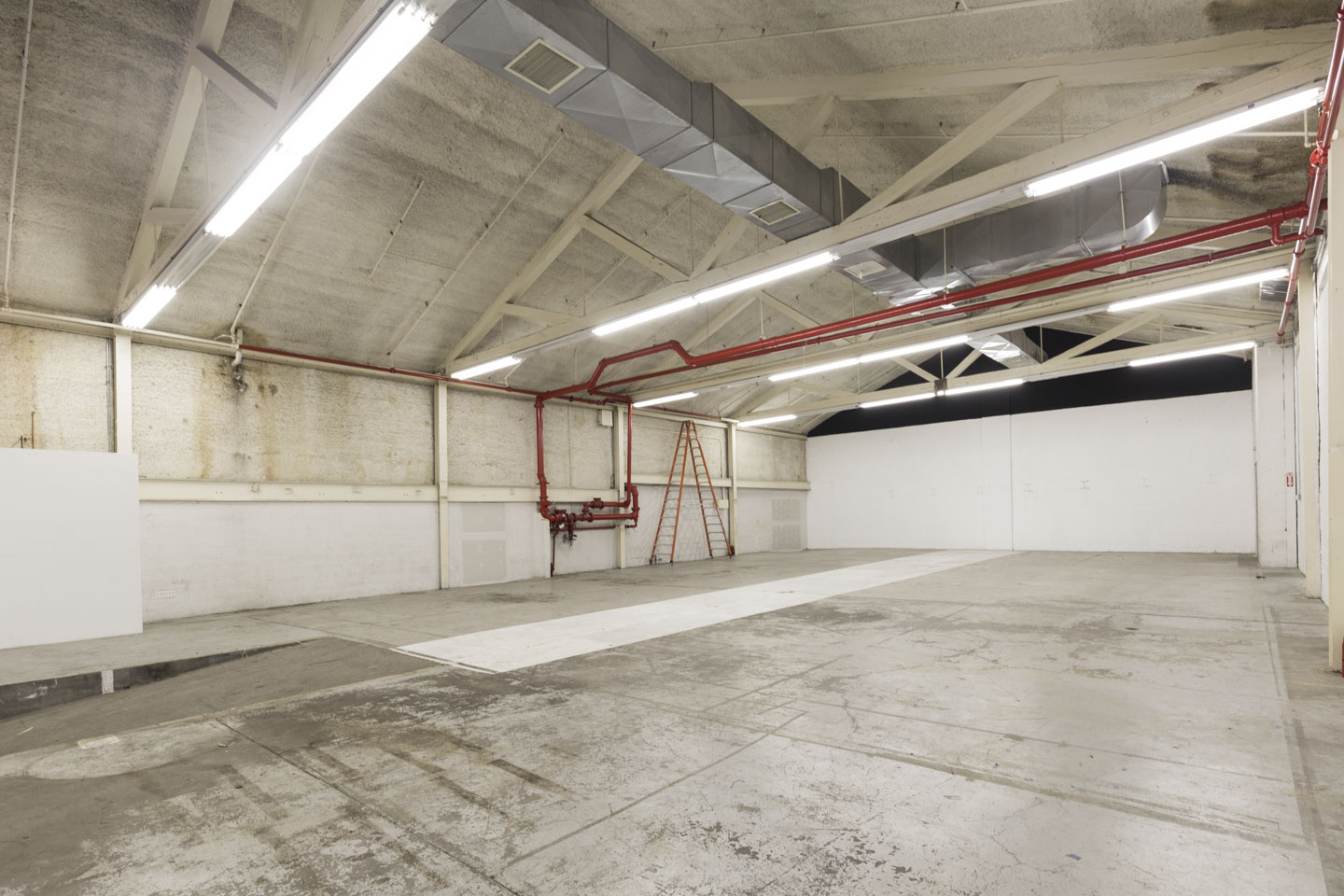
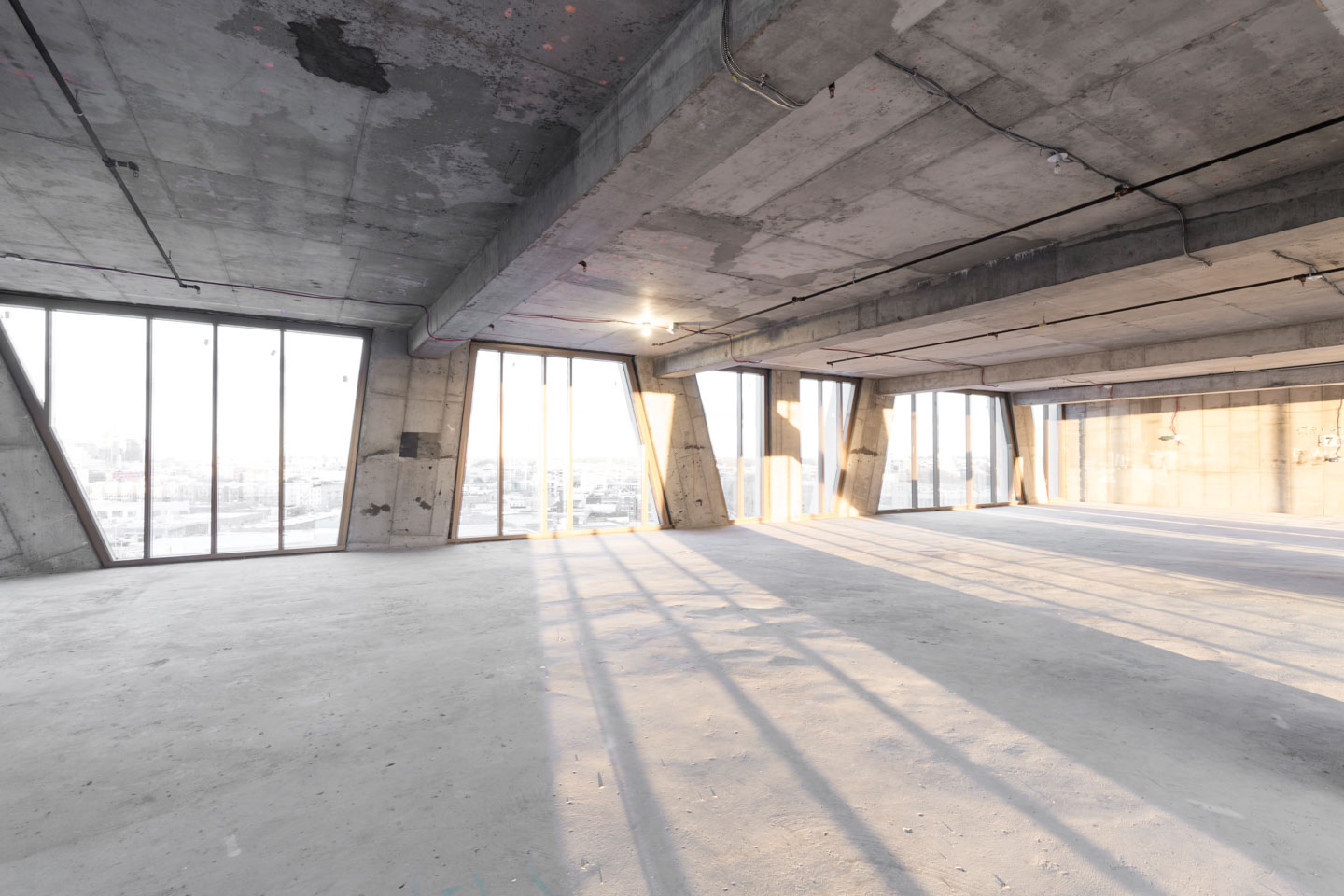
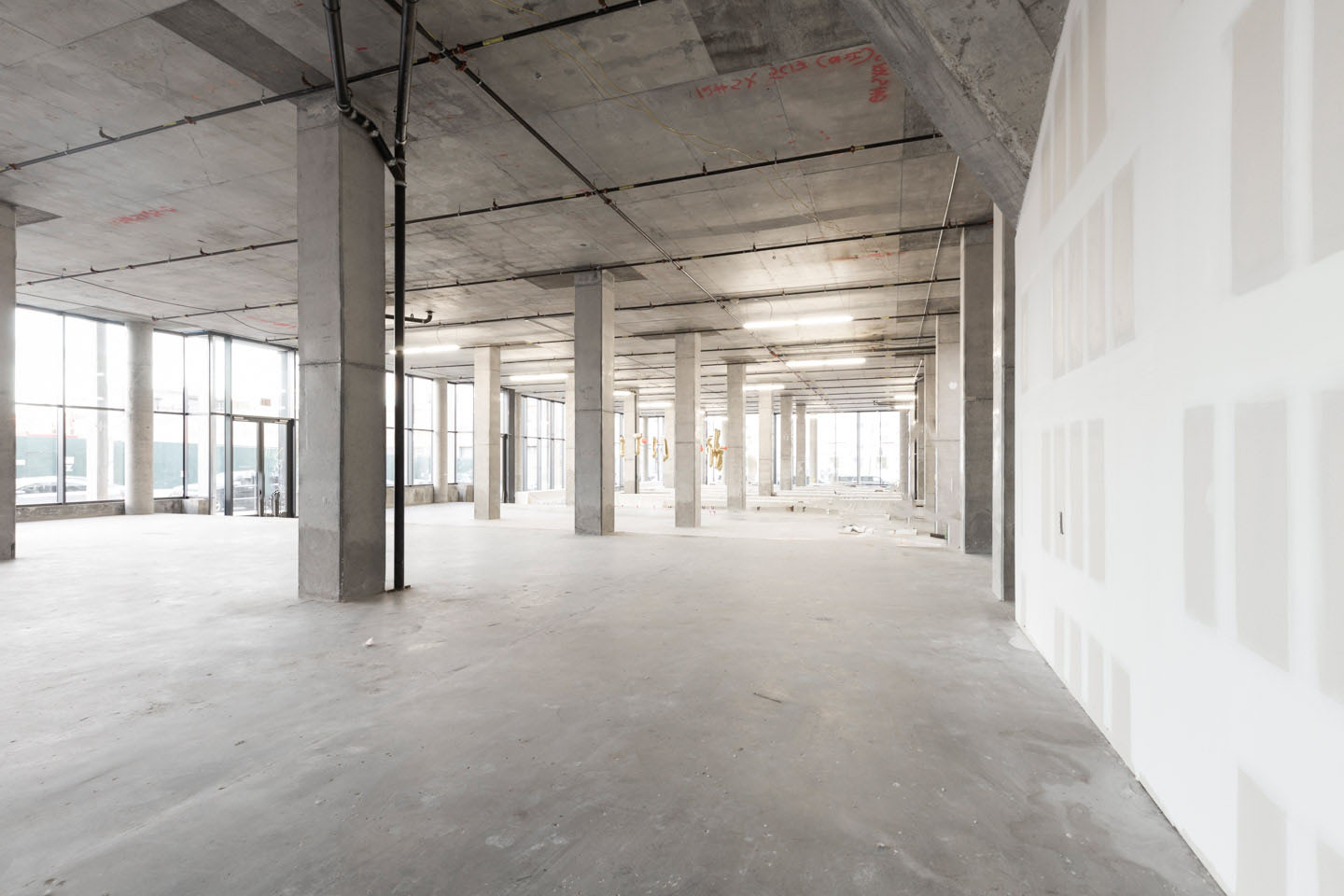
What you are actually buying is former industrial stock: raw interiors, wide frontage, and on the right streets the ceiling heights and loading a full brand activation needs. See what is available across Williamsburg.
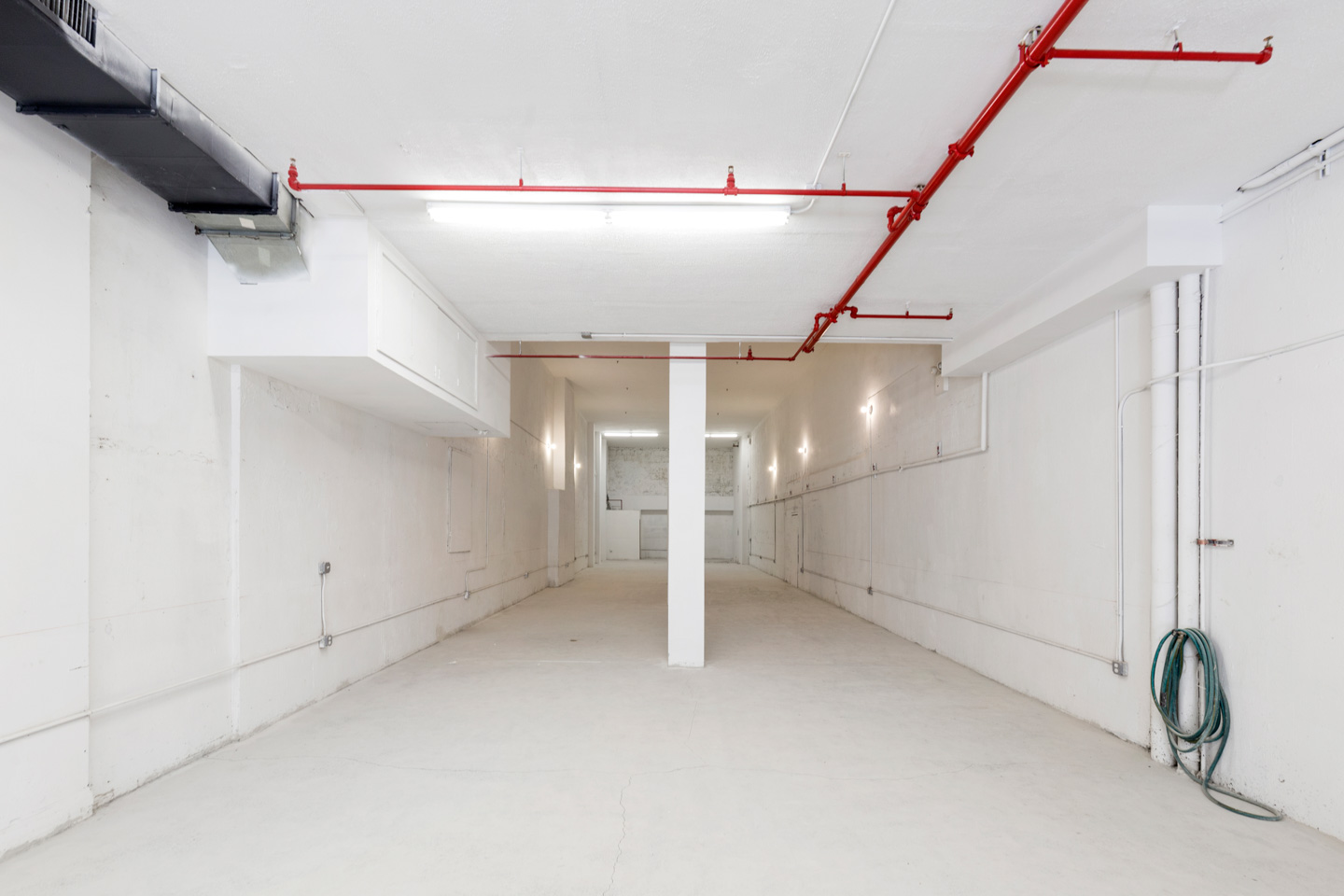
Bedford Avenue and the streets around it
Brooklyn runs on avenues rather than a grid of equals. A named avenue is the commercial spine of its neighborhood and the numbered cross-streets behind it are residential, so naming the right avenue tells you more than naming the neighborhood does.
Bedford Avenue
The retail spine of Williamsburg and the busiest shopping street in Brooklyn. The blocks closest to the station are the single busiest retail stretch in the borough and the only part of it that reads like a conventional high street. National brands hold the corners and the rents reflect that. Two blocks north or south the character changes completely, thinning into neighborhood retail. See space on Bedford Avenue.
North 6th Street
The busiest cross-street off Bedford and the largest concentration of national brand units in Brooklyn. The smaller independents sit on North 3rd and the streets either side of it, which is where a newer brand usually lands.
Wythe Avenue and Berry Street
Running parallel to Bedford through the North Side, with larger converted buildings, hotels and restaurants. These are the wider frontages brands take for full-format space, and they are the reason Williamsburg can host an activation rather than only a shop.
Kent Avenue and the waterfront
Domino Park and Kent Avenue run along the waterfront on the former sugar refinery site. The park pulls a large weekend flow to a strip that had almost none, and the ground floors facing it are new-build rather than converted, which is a different kind of space from anything inland.
The South Side
Below Grand Street, Williamsburg keeps a Latino and Hasidic commercial character quite separate from the North Side, with small units and a strictly local trade. It is a different district in everything but name, and a brief that says Williamsburg rarely means this half.
Metropolitan Avenue
Crosses Williamsburg east to west and continues deep into East Williamsburg, shifting from bars and small shops to workshops and yards as it goes. It is the clearest single line along which the retail district becomes the industrial one.
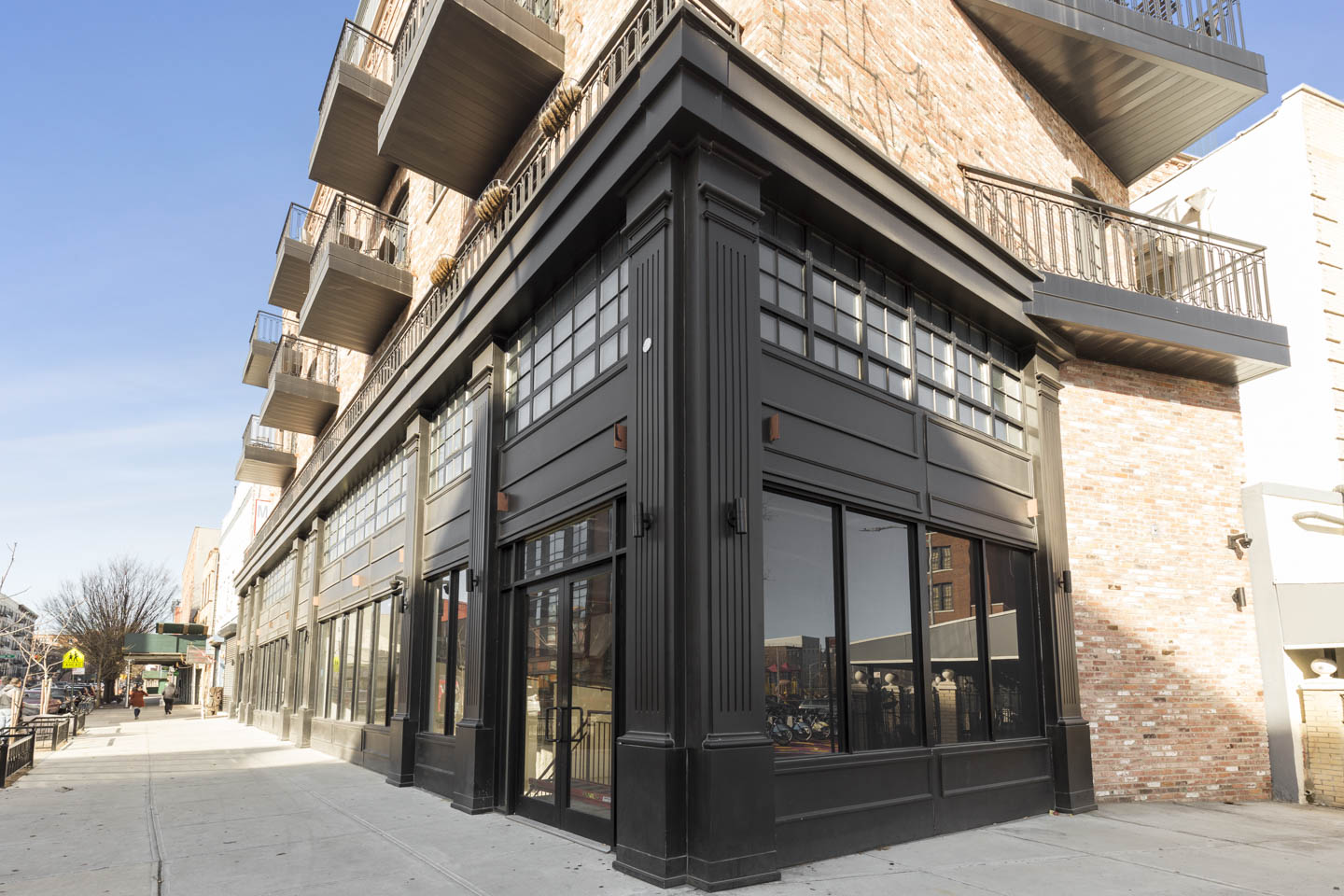
The two kinds of space
Stock here splits cleanly, and which half you want should decide the street before anything else does.
| Small ground floors | Converted industrial floors | |
|---|---|---|
| Where | Bedford Avenue and the cross-streets | Wythe Avenue, Berry Street, the blocks toward the water |
| Suits | A shop, a tightly edited range, walk-in trade | Activations, launches, events, anything built rather than merchandised |
| Why | Footfall is on Bedford and nowhere else like it | Ceiling height, loading and column-free span |
| Browse | retail space | event space |
Beyond those two, the district lists art and gallery space, showrooms, short-term office space and food space. The office and food verticals do more here than in most Manhattan districts, which is worth knowing if that is your format.
Shopping in Williamsburg
For a visitor, the shopping is essentially Bedford Avenue and the cross-streets off it, walked from the Bedford Avenue station northward. That stretch is the only genuinely high-street-like run in Brooklyn.
The character changes fast. The blocks by the station carry the national names. North 6th holds the largest concentration of brand units in the borough. North 3rd and the side streets hold the independents, and that is where most people mean when they talk about Williamsburg shopping. Further north on Bedford it thins into neighborhood retail, and south of Grand Street it becomes a different neighborhood altogether.
Add the waterfront at Domino Park and the weekend markets, and the district works as a day out rather than an errand, which is exactly how its trade is shaped.
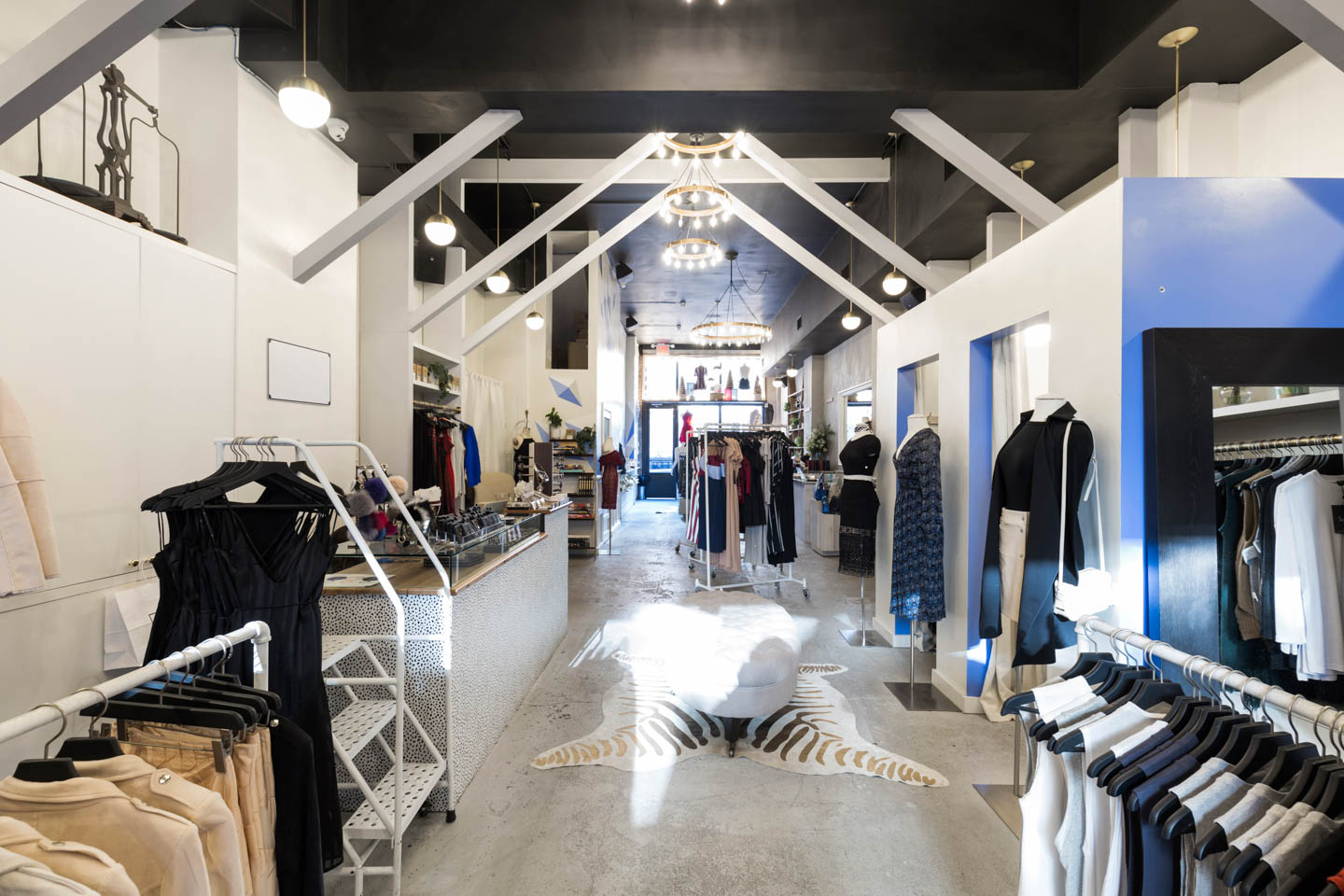
The weekend is the week
Trade is heavily weekend-weighted, and weekday daytime is the quietest part of the week. That is the reverse of any Manhattan office district, and it is the single most important operational fact about the neighborhood. A space here staffed Monday to Friday nine to five is staffed for the wrong days.
New York places no restriction on Sunday retail trading, and in Brooklyn the weekend is the trading peak rather than an afterthought. Bedford Avenue, the markets and the waterfront parks all run hardest on Saturday and Sunday, so a temporary space here should plan for a seven-day week weighted to the weekend.
It is also strongly seasonal. The waterfront and Domino Park pull large crowds from late spring through early fall and much thinner traffic in winter, so a space depending on that flow has a shorter working year than the lease suggests. McCarren Park, on the boundary with Greenpoint, works the same way: the streets facing it trade on weekend park footfall in a way the blocks two streets back do not.
Smorgasburg, if you sell food
Smorgasburg is the largest weekly open-air food market in the country and a Brooklyn institution, running each weekend from spring to late autumn, with Williamsburg on Saturdays and Prospect Park on Sundays.
For a lot of food and drink brands a Smorgasburg stall is the first physical presence they take in New York, and it is a genuine route to market rather than a novelty. Worth knowing before you go looking for a unit: stalls are booked through the organizer rather than through a lease, so it is a different process from anything else on this page. If you want a room instead, see food space in Williamsburg.
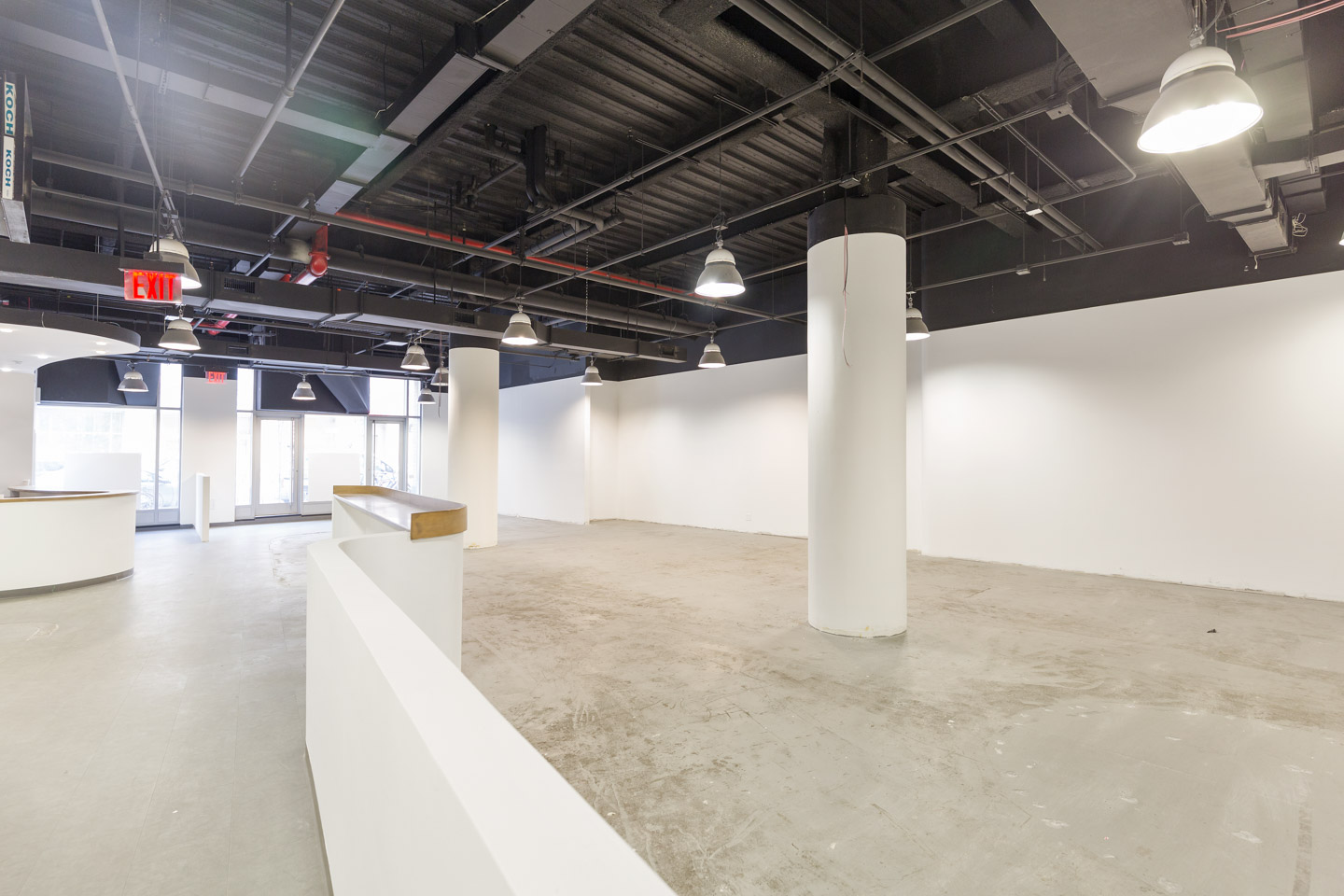
The vacancy paradox
One thing about Brooklyn runs against intuition and is worth carrying into any search here.
Vacancy runs opposite to desirability, and the spread is eightfold. The emptiest storefronts are in the neighborhoods a brand most wants. On the city’s own storefront data, Fort Greene runs above one unit in five empty, Downtown Brooklyn, DUMBO and Boerum Hill at one in five, Brooklyn Heights at one in six, and Williamsburg at one in eight. The fullest streets are the ones nobody puts on a shortlist.
Practically, that means availability in Williamsburg is better than its reputation suggests, and a unit standing empty here is not the signal it would be elsewhere.
East Williamsburg, when you need scale
East Williamsburg is the working half of the Williamsburg story, and most briefs that should point here point at Williamsburg instead. It is still substantially industrial, with active workshops, studios, food production and distribution rather than shopfronts. There is no continuous shopfront run anywhere in it, and a conventional store there would be trading to an empty sidewalk.
What it offers instead is floor area. Single-storey and low industrial buildings with roller shutters, high ceilings, truck access and column-free spans, at rents far below any retail district. Bogart Street and Morgan Avenue form the center of the studio district around the Morgan Avenue station; Grattan Street and Johnson Avenue hold the workshop blocks, which are the cheapest usable floor area in inner Brooklyn.
Use it for events, shoots, showrooms and anything requiring scale and a raw setting, with the audience invited rather than caught. Judged on passing footfall it will always look like a poor location, because it is not competing on that at all. The busiest station serving it, Jefferson Street, sits outside the hundred and fifty busiest in the system, which tells you the same thing.
See space in East Williamsburg, event space there, or the large warehouse selection.
Two practical things
Zoning is unusually permissive in parts of the neighborhood. Parts of Williamsburg and Greenpoint sit in a Special Mixed Use District, written to encourage investment in mixed residential and industrial neighborhoods by permitting a wide variety of uses. That pairing is why those blocks hold apartments, workshops and shopfronts side by side, and why a ground-floor unit there can carry a use that would not be permitted a few streets away.
Signage is regulated separately from use. Signs and awnings in New York are regulated by the Department of Buildings independently of what the space is used for, and most permanent signage needs a permit filed by a registered professional. Factor it into the schedule rather than treating it as a finishing touch.
Williamsburg compared with the rest of north Brooklyn
- Greenpoint. Quieter, more residential, north of Williamsburg. Two parallel commercial streets with different customers: Manhattan Avenue is the everyday high street, still substantially Polish; Franklin Street near the water is quieter and design-led. Subway service is limited compared with Williamsburg, which keeps the catchment local. Rents sit below Williamsburg and trade is steadier across the week because it depends less on visitors.
- Bushwick. Two economies that barely meet. Knickerbocker Avenue is a dense, long-established Latin American everyday retail corridor. The studio and gallery district around Bogart Street is a different world with a different customer. The gallery half trades on weekend afternoons and evenings, and outside those windows the same blocks are industrial and quiet, so timing matters more there than position.
- East Williamsburg. Scale, rawness and low rents, with no footfall at all. Covered above.
- Further out. Bedford-Stuyvesant is one of the largest neighborhoods in Brooklyn and behaves less like a district than like several, with Fulton Street, Nostrand Avenue and Tompkins Avenue each holding their own catchment and price level. Park Slope and the brownstone neighborhoods south of it trade to residents rather than visitors. Both suit a proposition worth a local walk rather than a trip across the borough.
Across the borough, see all short-term space in Brooklyn or Brooklyn retail space.
Getting there
Williamsburg is served by the Bedford Avenue, Broadway, Graham Avenue, Grand Street, Hewes Street, Lorimer Street, Marcy Avenue, Metropolitan Avenue, Montrose Avenue and Nassau Avenue subway stations. Bedford Avenue is the busiest of them and sits among the twenty-five busiest stations in the system by annual ridership, which is a useful proxy for the through-traffic a ground-floor unit near it can expect.
That single station is doing most of the work. The further you get from it, the more your space has to generate its own reason to visit.
Common questions
Where is the shopping in Williamsburg?
Bedford Avenue and the cross-streets off it, walked north from the Bedford Avenue station. The blocks by the station carry the national names, North 6th Street has the largest concentration of brand units in Brooklyn, and the independents are on North 3rd and the side streets. It thins out further north and changes character entirely south of Grand Street.
Is Williamsburg cheaper than Manhattan for a pop-up?
Less than people expect. It is the Brooklyn address brands ask for by name, and a short let on Bedford Avenue or North 6th Street is bought at close to Manhattan expectations. If the budget is the constraint, East Williamsburg, Bushwick and Greenpoint all sit well below it.
What is the best day to open in Williamsburg?
Saturday, and plan the whole week around the weekend. Trade is heavily weekend-weighted and weekday daytime is the quietest part of the week, which is the reverse of a Manhattan office district. Summer weekends on the waterfront are the peak of the peak.
Is Williamsburg good for a brand activation rather than a shop?
It is one of the better options in New York for it, because of the converted industrial floors on Wythe Avenue, Berry Street and the blocks toward the water. Those have the ceiling heights and loading that a build needs and that a Bedford Avenue ground floor does not. See event space in Williamsburg.
What is the difference between Williamsburg and East Williamsburg?
Williamsburg is the retail district; East Williamsburg is still a working industrial one. Metropolitan Avenue is roughly the line between them. East Williamsburg gives you far more floor area for the money, with truck access and column-free spans, and essentially no passing trade.
Do I need a permit for signage?
Usually yes. Signs and awnings are regulated by the Department of Buildings independently of how the space is used, and most permanent signage needs a permit filed by a registered professional.
Where to look next
Across the river, our ranking of New York neighborhoods for a pop-up shop compares the Manhattan districts, and the guide to opening a pop-up shop in New York covers permits, insurance and budget.
Otherwise go straight to retail and pop-up space in Williamsburg, event space in Williamsburg, or everything we list across Brooklyn. If you are running an event, our guide to renting an event space covers the format.

Written by
Adrien Kerbrat is Chief Revenue Officer and co-founder of Storefront. With more than 10 years in commercial real estate, he is an expert on the French market and short-term retail across Europe. Based in Bordeaux and often in Paris, he writes on pop-up strategy, retail location, and the French retail landscape.
More from Adrien Kerbrat →Related posts:
 New York Fashion Week Reinvents Itself
 SoHo Shopping Guide: The Streets, the Stores and Taking Space in New York
 Nolita NYC Guide: Shopping, Streets and Short-Term Space
 Chelsea London Area Guide: The Complete Chelsea Shopping Guide for Brands and Pop-Up Shops
 Exploring the Benefits of Opening a Pop-Up Store in Shanghai