
Automotive brands are increasingly moving beyond traditional dealerships and into city-center retail. Automotive pop-up shops and temporary showrooms are now a key strategy for brands looking to launch vehicles, test markets, and connect with customers in high-footfall locations.
For brands searching for how to launch a car pop-up, rent a showroom space, or create an automotive activation, pop-up retail offers a flexible and scalable solution.
What is an automotive pop-up shop?
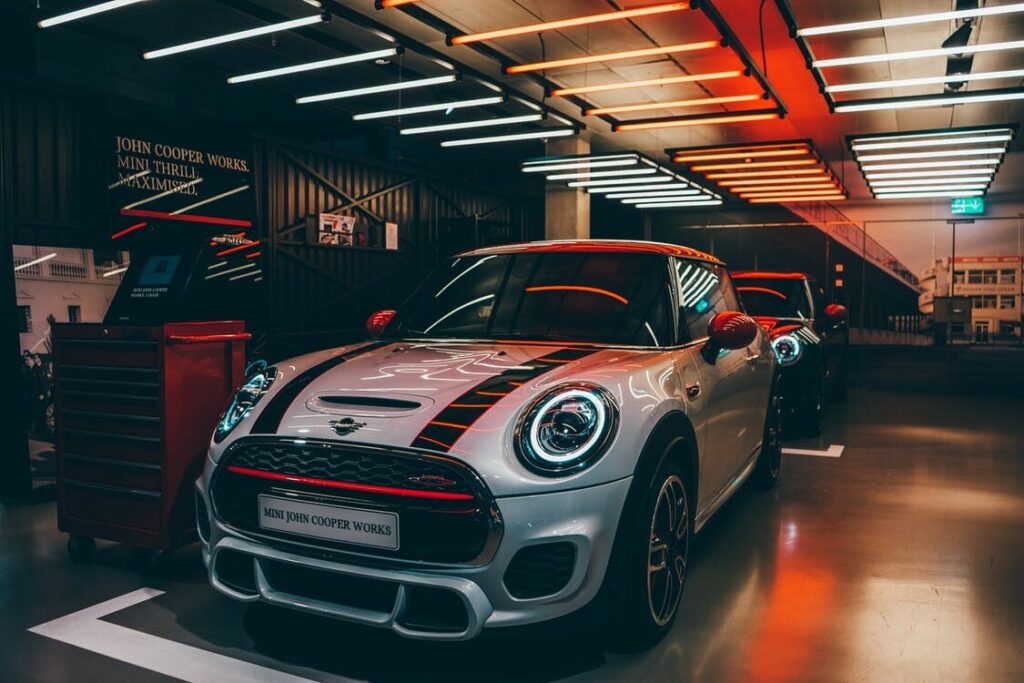
An automotive pop-up shop is a temporary retail space used by car brands to showcase vehicles, run marketing activations, and engage customers outside of traditional dealerships.
These spaces are typically located in:
- High streets and shopping districts
- Urban retail neighborhoods
- Malls and experiential venues
Unlike dealerships, automotive pop-ups are designed to be:
- Short-term and flexible
- Experience-led rather than sales-driven
- Positioned in high-traffic, high-visibility areas
Brands use them to bring vehicles directly to their audience rather than relying on customers to visit out-of-town locations.
Why automotive brands are using pop-up showrooms
The way people buy cars has changed. Research, comparison, and configuration now happen online, but physical interaction remains essential before purchase.
Automotive pop-up shops bridge this gap by connecting digital demand with real-world experience.
They allow brands to:
- Launch new vehicles in key markets
- Test cities before opening permanent showrooms
- Increase brand visibility in competitive urban areas
- Create immersive, shareable experiences
- Engage younger, urban audiences
This is part of a broader shift toward online to offline retail. If you want to understand that model, this guide to online to offline retail (O2O meaning and examples) explains how brands connect digital and physical channels.
Early example: Ford’s urban pop-up showrooms
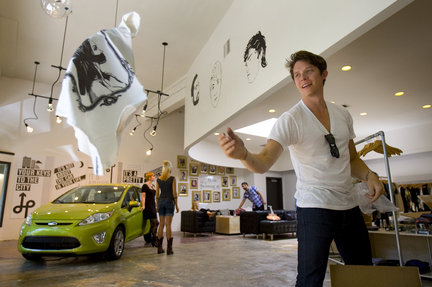
Ford was an early adopter of automotive pop-up retail.
Instead of relying solely on traditional auto malls, the brand launched temporary showrooms in urban retail locations. These spaces were designed to target specific audiences and highlight particular vehicle ranges.
By moving into city environments, Ford was able to:
- Stand out from competitors clustered in dealerships
- Deliver more personalized brand experiences
- Align messaging with lifestyle and sustainability themes
These pop-ups also incorporated events, cultural programming, and interactive experiences, turning the showroom into a destination rather than a sales floor.
Minimalist automotive retail: Smart Car in New York
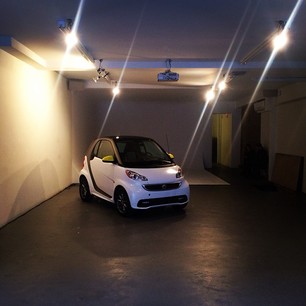
Smart Car took a different approach with a pop-up showroom in New York.
The brand created a minimalist, gallery-style space focused on a single vehicle. This stripped-back environment reduced noise and allowed customers to engage more deeply with the product.
The concept was tailored to urban consumers, positioning the car as part of a city lifestyle rather than a traditional purchase decision.
This highlights a key advantage of pop-up retail. Automotive brands can fully control the environment and messaging.
Modern automotive pop-ups: EV brands and DTC showrooms
Electric vehicle and direct-to-consumer automotive brands have accelerated the use of temporary retail spaces.
Brands such as Tesla, Polestar, and Lucid have moved into:
- Shopping centers
- High-street retail units
- Temporary showroom environments
These spaces focus on education and experience rather than immediate sales. Customers can explore vehicles, learn about features, and interact with digital tools in a relaxed setting.
This model reflects how modern consumers prefer to shop. It is self-directed, informative, and integrated with online research.
Where to launch an automotive pop-up showroom
Location is one of the most important factors in a successful automotive activation.
Brands looking to rent a car showroom space or launch a pop-up should prioritize high-footfall cities with strong retail infrastructure.
For example:
These cities offer access to large audiences, strong brand visibility, and prime retail locations.
Using a platform like Storefront allows automotive brands to quickly find and book spaces that match their campaign needs, whether for a short-term launch or a multi-city activation.
From showroom to experience: what makes a successful automotive pop-up
Automotive pop-ups are no longer just about displaying vehicles. The most successful activations focus on experience and engagement.
This includes:
- Interactive vehicle configurators
- Immersive brand environments
- Events, workshops, and collaborations
- Social media-friendly installations
These elements help turn a visit into a memorable experience, increasing both engagement and brand recall.
If you want to explore how different industries approach this, this guide to pop-up shop strategies by industry provides a broader perspective.
Why automotive brands use Storefront for pop-up retail
For automotive brands looking to launch a pop-up showroom, speed and flexibility are critical.
Storefront provides access to thousands of temporary retail spaces in major cities, making it easy to:
- Find high-visibility locations quickly
- Test new markets without long-term risk
- Launch short-term campaigns and activations
- Scale across multiple cities
Whether you are launching a new vehicle, running a brand campaign, or testing a market, temporary retail spaces provide a practical way to execute your strategy.
Conclusion
Automotive pop-up shops are redefining how car brands connect with customers.
By moving into high-footfall retail environments and focusing on experience rather than transaction, brands can reach new audiences, test new markets, and create stronger customer relationships.
For automotive companies looking to innovate, pop-up retail offers a flexible, scalable, and highly effective solution.
FAQ: Automotive Pop-Up Shops
What is an automotive pop-up showroom?
An automotive pop-up showroom is a temporary retail space where car brands showcase vehicles and engage customers in high-traffic locations.
Why do car brands use pop-up shops?
They allow brands to launch vehicles, test markets, and create experiential marketing campaigns without long-term commitments.
Where can I rent a space for an automotive pop-up?
Automotive brands can find temporary retail spaces in major cities such as London, New York, and Paris using platforms like Storefront.
Are pop-up showrooms replacing dealerships?
No, but they are becoming an important complementary channel focused on brand experience and customer engagement.

Written by
Adrien Kerbrat is Chief Revenue Officer and co-founder of Storefront. With more than 10 years in commercial real estate, he is an expert on the French market and short-term retail across Europe. Based in Bordeaux and often in Paris, he writes on pop-up strategy, retail location, and the French retail landscape.
More from Adrien Kerbrat →Related posts:
 What is a pop-up shop? Everything you need to know to try short-term retail
 How to Set Up a Pop-Up Art Gallery: 8 Steps to Renting and Launching Your Exhibition
 Offline Marketing Ideas for Pop-Up Shops
 The 5 Types of Pop-Up Shops (With Examples) & How to Choose the Right One
 How to set up a pop-up shop in 6 stages. Set yourself up for success with this handy checklist