We use cookies and similar technologies to track your activity and improve your experience.
Sort by
Recommended
See on map
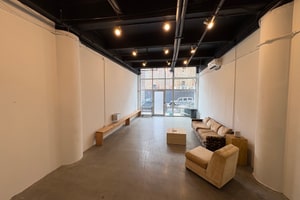
See on map
Fast Responder

Art Gallery
∙
Greenpoint
1,000 sq ft
from $2,880 per day
Fast Responder
See on map

See on map

Unique Space
∙
Greenpoint
1,000 sq ft
from $500 per day
See on map

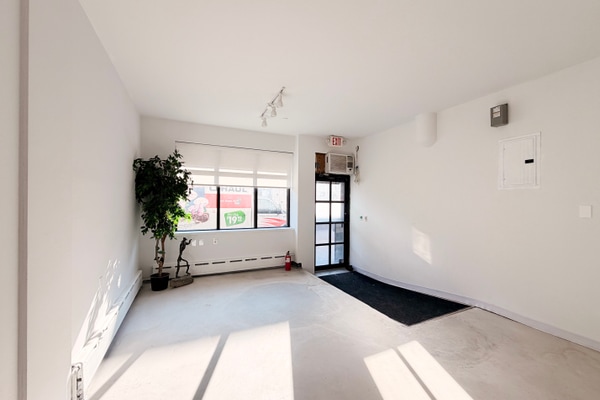
Boutique / Shop
∙
Greenpoint
575 sq ft
from $280 per day
See on map

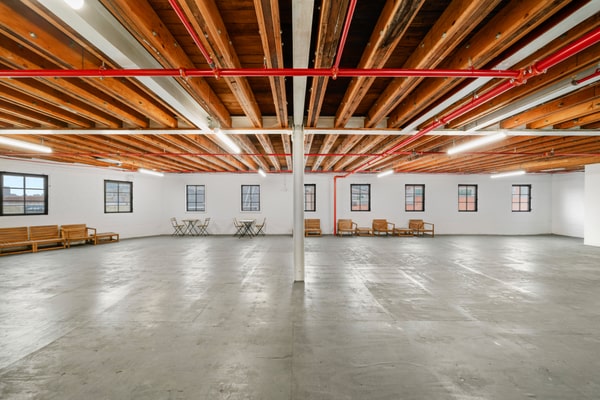
Event Space
∙
Greenpoint
39,000 sq ft
from $21,600 per day
See on map
See on map
See on map
Short-term Commercial Space in Greenpoint, Brooklyn
Popular venues in Greenpoint, Brooklyn:Storefront With Kitchen in Greenpoint, Brooklyn
Greenpoint sits at the northern tip of Brooklyn, bordered by Newtown Creek to the north and east and by Williamsburg to the south. It is quieter and more residential than its neighbor, and its commercial life runs on two parallel streets with very different characters. That combination of calm streets, converted industrial stock and a local audience that actually lives here makes it one of Brooklyn's strongest neighborhoods for temporary commercial space.
Manhattan Avenue is the everyday high street, dense and busy, still substantially Polish in its food trade but increasingly mixed with independent retail on small frontages. Franklin Street runs closer to the water, quieter and more design-led, with small shops and restaurants that draw a different crowd. Rents and expectations differ sharply between these two streets over a few blocks, so picking the right one matters more than picking the neighborhood.
What Makes Greenpoint Different
Brooklyn's usable stock is mostly converted industrial: warehouses, garment lofts and single-story works with freight access, high ceilings and large column-spaced floors. Greenpoint has plenty of this, especially along the eastern blocks near Newtown Creek, where the buildings are working industrial and suited to production, photography and set-building rather than walk-in retail.
The waterfront side is different again. Transmitter Park and the former terminal buildings give Greenpoint its Manhattan skyline views and weekend footfall, but this stretch is seasonal in a way the inland streets are not. A space that depends on waterfront flow has a shorter working year than one on Manhattan Avenue.
Greenpoint's subway service is limited compared with Williamsburg, which keeps the catchment local. A brand relying on visitors traveling in should account for a journey most people find awkward. That constraint is also why the neighborhood has stayed less commercial than its neighbor, and why it suits a format serving residents and a design-conscious local audience rather than one buying reach.
Flexible Commercial Space for Every Format
The neighborhood handles a range of short-term commercial uses. Independent food, homeware, studios and services do well here because the trade is steadier across the week, depending less on visitors. Pop-up shops on Manhattan Avenue reach the daily foot traffic of a busy local high street, while a temporary showroom or gallery on Franklin Street sits in a quieter, more curated context.
Because so much of the stock is former industrial, freight access and loading are usually better than in Manhattan: roller shutters, yards, goods lifts and street-level vehicle access are common. For anything involving a build, a delivery or a large object, that is often the deciding factor when choosing between a Greenpoint space and a narrower Manhattan frontage.
Brands looking for retail space for rent will find that Greenpoint's rents sit below Williamsburg, and the audience is different enough that the two neighborhoods are not interchangeable. If you need broader reach or heavier foot traffic, Williamsburg is the next stop south. If you want a residential neighborhood with a loyal local following, Greenpoint is the stronger fit.
Streets Worth Knowing
Manhattan Avenue runs the length of the neighborhood and is the commercial center. Greenpoint Avenue crosses it near the middle. The eastern end of Greenpoint Avenue runs into working industrial blocks near the creek, a different world from the retail stretch.
Franklin Street near the water is where the newer independent shops and restaurants have landed. Driggs and Union Avenues run north from Williamsburg through the residential blocks behind the waterfront, with neighborhood retail rather than destination units.
McCarren Park sits on the boundary with Williamsburg and is the main open space for both neighborhoods. The streets facing it trade on weekend park footfall in a way the blocks two streets further back do not.
Timing and Seasonality
Demand for temporary commercial space in Brooklyn peaks from late spring through early autumn, when the outdoor markets, waterfront parks and street events are running, and again in the run-up to the December holidays. The deep winter is the quietest stretch.
The outdoor market season shapes the Brooklyn retail year. Smorgasburg runs from spring into late autumn and then stops or moves indoors, so a brand planning around it is planning around roughly April to October rather than a full twelve months. Halloween is a major retail season, with a wave of temporary store openings through September and October. Small Business Saturday, the day after Black Friday, matters more to Brooklyn's independent retailers than Black Friday itself.
Several neighborhoods including Greenpoint run open studio weekends through the spring and autumn, when hundreds of artists and designers open their working spaces to the public. They are the clearest annual demonstration of how much production space the borough still holds.
Spending Less in Greenpoint
Rates vary by street, floor, size and season. The real levers a renter controls are timing, duration and flexibility. Off-peak months and midweek dates ask less than peak season and weekends. A longer booking usually earns a better rate per day than a single day. A side street a few doors off Manhattan Avenue asks materially less than the avenue itself, while keeping much of the passing trade. First-floor and basement space in the same building asks less than ground floor with a window. If the brand is bringing its own build, a raw space is the better buy than a furnished one.
Being open on dates, or able to take a space at short notice when a host has a gap, is the single biggest lever a renter controls.
Neighboring Brooklyn Districts
Greenpoint is one neighborhood in a borough with very different pockets a few stops apart. Park Slope draws a family-oriented crowd with strong weekend foot traffic. Bedford Stuyvesant and Crown Heights offer larger, more affordable stock on avenues with growing commercial energy. Brooklyn's subway lines run radially into Manhattan rather than across the borough, so two neighborhoods a mile apart can be a slow journey from each other while both are twenty minutes from Midtown.
For a deeper look at what makes Williamsburg work for pop-up retail, read the Williamsburg Brooklyn guide.
FAQ
What kind of commercial space is available in Greenpoint?
Most of Greenpoint's stock is converted industrial: lofts, warehouses and single-story works with high ceilings and freight access. Manhattan Avenue has smaller shopfront units suited to pop-up retail, while Franklin Street near the water holds design-led independent spaces. The eastern blocks near the creek are working industrial and suit production and studio work.
How does Greenpoint compare with Williamsburg for a pop-up shop?
Greenpoint is quieter, more residential and less visitor-dependent. Rents sit below Williamsburg and the trade is steadier across the week. Williamsburg offers heavier foot traffic and a larger visitor audience. The two are next to each other but serve different formats.
When is the best time to book short-term space in Greenpoint?
Demand peaks from late spring through early autumn and again before the December holidays. The deep winter months are the quietest and typically the most affordable. Booking midweek rather than weekends also helps.
Is Greenpoint easy to reach by public transport?
Greenpoint is served by the Greenpoint Avenue and Nassau Avenue subway stations. Service is more limited than in Williamsburg, which keeps the catchment local. A brand relying on visitors traveling in should plan for that.
What is the difference between Manhattan Avenue and Franklin Street?
Manhattan Avenue is Greenpoint's busy everyday high street with dense foot traffic and a mix of Polish food trade and newer independent retail. Franklin Street near the waterfront is quieter and more design-led, with small independent shops and restaurants drawing a different, more curated crowd.


