We use cookies and similar technologies to track your activity and improve your experience.
Sort by
Recommended
See on map
See on map
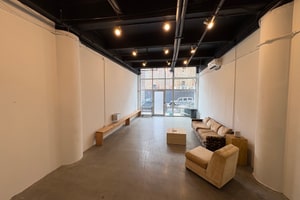
Fast Responder

Art Gallery
∙
Greenpoint
1,000 sq ft
from $2,880 per day
Fast Responder
See on map

See on map

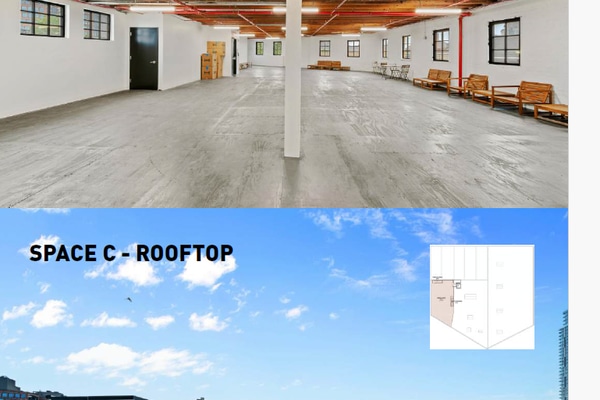
Event Space
∙
Greenpoint
39,000 sq ft
from $21,600 per day
See on map

See on map

Unique Space
∙
Greenpoint
1,000 sq ft
from $500 per day
See on map

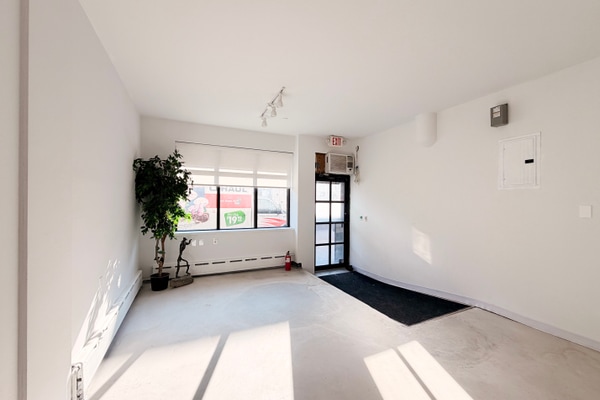
Boutique / Shop
∙
Greenpoint
575 sq ft
from $280 per day
See on map
See on map
Pop-Up Gallery and Exhibition Space in Greenpoint, Brooklyn
Greenpoint sits at the northern tip of Brooklyn, quieter and more residential than Williamsburg next door, with a working industrial stock that suits art exhibitions as well as any neighborhood in the city. The converted warehouses, lofts and single-story works buildings that line the blocks between Manhattan Avenue and the waterfront give artists and curators high ceilings, freight access and raw square footage that narrow Manhattan galleries cannot match. For a pop-up gallery in Greenpoint, Brooklyn, that combination of space and neighborhood character is the draw.
The neighborhood runs on two parallel commercial streets with different audiences. Manhattan Avenue is the everyday high street: dense, busy and still substantially Polish along its northern stretch. Franklin Street near the water is quieter, more design-led and better suited to a temporary exhibition that relies on a considered visitor rather than passing foot traffic. A brand or artist choosing between them is choosing a different kind of show.
Why Greenpoint for a Pop-Up Gallery
Brooklyn's usable stock is mostly converted industrial. Warehouses, garment lofts and single-story works with freight access, high ceilings and large column-spaced floors are the norm rather than the exception. That is the opposite of Manhattan's narrow retail frontages, and it is why activations, showrooms, studios and exhibitions land here.
Greenpoint adds something specific: limited subway service compared with Williamsburg keeps the catchment local, so the audience skews toward residents and a design-conscious crowd rather than tourists. An exhibition space in Greenpoint, Brooklyn draws people who have come on purpose, not people who wandered in. For emerging artists and independent curators, that is a better opening night.
Several neighborhoods run open studio weekends through the spring and autumn, Greenpoint among them, when hundreds of artists and designers open their working spaces to the public. Those weekends are the clearest annual proof of how much production space the borough still holds, and they create a natural calendar anchor for a temporary gallery.
Greenpoint Streets and Where They Lead
Franklin Street runs along Greenpoint's western edge near the water, with small independent shops and restaurants. It is quieter than Manhattan Avenue and more design-led, which suits a gallery opening that depends on atmosphere rather than volume.
Driggs and Union Avenues run north from Williamsburg into Greenpoint through the residential blocks behind the waterfront. McCarren Park sits on the boundary of the two neighborhoods, and the streets facing it trade on weekend park footfall in a way the blocks two streets back do not.
Transmitter Park and the former terminal buildings give the neighborhood its waterfront frontage, with the Manhattan skyline directly opposite. That corner draws weekend footfall to a part of the neighborhood that otherwise has little commercial presence.
Greenpoint Compared with Other Brooklyn Art Neighborhoods
Brooklyn has several neighborhoods where a pop-up gallery could land, and each one serves a different purpose.
-
Bushwick has a large concentration of studios and a well-established open studios circuit. The raw space is plentiful and rents sit lower.
-
East Williamsburg shares the industrial building stock and sits between the two, geographically and commercially.
-
Bedford Stuyvesant is residential and further from the waterfront, with a growing independent art scene and a different visitor profile.
Greenpoint's distinction is the combination of waterfront setting, local audience and a quieter tempo. A pop-up gallery here reads as intentional, not incidental. For a broader search, see art space in Brooklyn.
Seasonal Timing for Exhibition Space
Demand for short-term space in Brooklyn peaks from late spring through early autumn, when outdoor markets, waterfront parks and street events are running. The Brooklyn waterfront is seasonal in a way the inland streets are not: Transmitter Park and the surrounding blocks carry heavy footfall from May to September and much less outside it.
The run-up to the December holidays brings a second wave, driven by gift-oriented activations and end-of-year shows. The deep winter months between January and March are the quietest stretch, which is worth knowing: an artist booking a temporary gallery in that window will usually find better availability and more flexibility from hosts.
Halloween, on 31 October, is a genuine retail and cultural season in Brooklyn, with neighborhood events and a wave of temporary openings through September and October that can extend to gallery programming.
Practical Considerations
Because so much of Brooklyn's stock is former industrial, freight access and loading are usually better than in Manhattan. Roller shutters, yards, goods lifts and street-level vehicle access are common. For anything involving a build, a delivery or a large installation, that is often the deciding factor.
Brooklyn's subway lines run radially into Manhattan rather than across the borough, so two neighborhoods a mile apart can be a slow journey from each other while both sit a short ride from Midtown. A brand or gallery picking a Greenpoint location is picking a line as much as a place. Greenpoint is served by stops that keep it connected, though less densely than Williamsburg. That limited service is part of what keeps the neighborhood quieter and the audience more local.
For background on what makes the wider area work for pop-up retail and events, the Williamsburg Brooklyn guide covers the neighboring district in detail, and interior design tips for pop-up spaces are useful for anyone fitting out raw industrial space for a show.
Rates and Budget
Rates for exhibition space in Greenpoint vary by street, floor, size and season. The real levers a renter controls are timing, duration and flexibility. Off-peak months and midweek dates ask less than peak season weekends. A longer booking usually earns a better daily rate than a single day. A side street a few doors off the main commercial run asks materially less while keeping much of the passing trade. A raw space with no fit-out costs less than a finished one, and if the brand or artist is bringing their own build, the raw space is the better buy. Being open on dates, or able to take a space at short notice when a host has a gap, is the single biggest lever.
For art gallery and exhibition space more broadly, or to explore the full Brooklyn market, the parent pages cover the wider set of options.
FAQ
What kind of space is available for a pop-up gallery in Greenpoint?
Most available space is converted industrial: warehouses, lofts and single-story works buildings with high ceilings, large open floors and freight access. These suit installations, group shows and brand activations that need room to build. Street-level units on Franklin Street and Manhattan Avenue offer smaller frontages for exhibitions that benefit from window visibility.
When is the best time to book exhibition space in Greenpoint, Brooklyn?
Demand peaks from late spring through early autumn and again before the December holidays. The quietest period runs from January through March, when availability is widest and hosts are most flexible on terms. Open studio weekends in spring and autumn create natural opportunities to time a show alongside neighborhood art traffic.
How does Greenpoint compare with other Brooklyn neighborhoods for gallery space?
Greenpoint is quieter and more residential than Williamsburg, Bushwick or DUMBO, with a local audience that skews toward design and independent art. The subway service is more limited, which keeps visitor numbers lower but the audience more intentional. The industrial building stock is comparable to Bushwick and East Williamsburg, with freight access and high ceilings as standard.
How far in advance should a temporary exhibition be booked?
Lead times depend on the season and the size of the space. During peak months a booking made well in advance secures more choice. In the quieter winter window, short-notice bookings are more common and hosts are often willing to negotiate on duration and flexibility.


