We use cookies and similar technologies to track your activity and improve your experience.
Sort by
Recommended
See on map

See on map
Fast Responder

See on map
Fast Responder

See on map
See on map

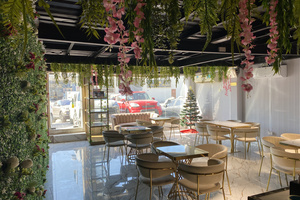
Unique Space
∙
Al Quoz
372 m²
100 ppl.
80 ppl.
from 7.560AED per day
See on map

Event Space
∙
Dubai
218 m²
from 7.200AED per day
See on map
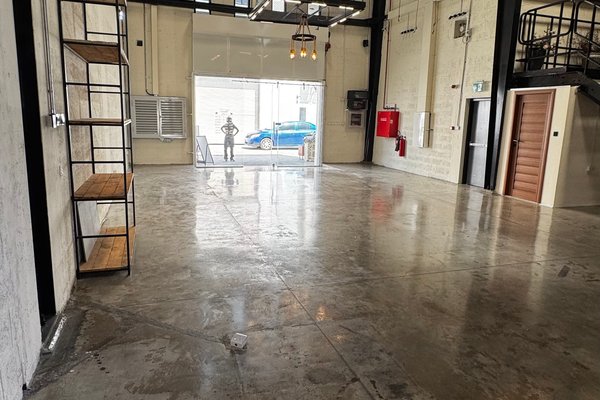
Event Space
∙
Dubai
362 m²
from 9.600AED per day
See on map

Event Space
∙
منطقة القوز الصناعية 3
305 m²
from 9.600AED per day
See on map
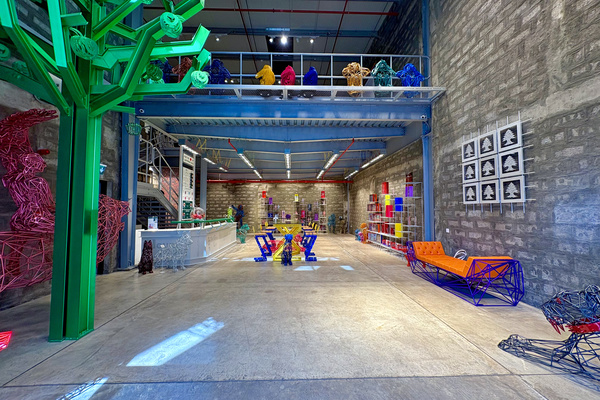
Unique Space
∙
Al Quoz
2.600 m²
from 12.000AED per day
See on map

Event Space
∙
Dubai
251 m²
from 8.640AED per day
Pop-Up Shop & Store Rental in Al Quoz, Dubai
Check our latest articles:
7 Case Studies That Prove Experiential Retail Is the Future;What Is a Pop-Up Shop? Definition, Costs & How It Works
Al Quoz is Dubai's warehouse arts district, an industrial grid set inland from Sheikh Zayed Road that has grown into the emirate's most credible address for creative retail. A popup store or pop-up shop here sits inside a converted warehouse or studio unit rather than a polished mall corridor, and that is precisely the appeal: high ceilings, raw concrete, open floor plans, and an audience that arrives because it is looking for something off the main drag.
For brands that want cultural adjacency over luxury adjacency, Al Quoz is the answer. It is where a pop-up store in Al Quoz, Dubai lands differently from a mall activation, and where the setting becomes part of the brand story rather than a backdrop to it.
What makes Al Quoz work for pop-up retail
The district's creative economy centers on Alserkal Avenue, a converted warehouse complex that holds the region's most significant concentration of contemporary art galleries, alongside independent design studios, a cinema, and food venues. The gallery cluster pulls a consistent audience of collectors, designers, architects, and culturally driven consumers, and a pop-up shop positioned inside or close to that ecosystem inherits that foot traffic.
Beyond the gallery complex, the district holds hundreds of warehouse units occupied by furniture makers, showroom operators, designers, and small manufacturers. Raw square footage in Al Quoz costs a fraction of what the same area would run in the coastal or financial districts. That gap in cost per square metre is what drew the creative economy here in the first place, and it is what keeps retail space in Dubai at its most accessible inside this district.
One important distinction: Al Quoz is divided into numbered zones and the character changes sharply between them. Al Quoz 1 holds Alserkal Avenue and the creative cluster. The surrounding zones are working industrial, with labor accommodation and logistics uses alongside the studios. A brand choosing a space here should confirm which zone the unit sits in, because the audience profile differs considerably.
Who shops in Al Quoz and when
The daytime and evening populations of Al Quoz are very different. The industrial base draws workers and trade buyers during standard hours. The gallery scene draws its audience in the evenings and on weekends, when Alserkal Avenue's programming, openings, and food venues pull visitors across the city.
The gallery season runs September to May. Art Dubai, the region's leading art fair held in the spring, is the single strongest week of the year to launch something creative in Dubai: Alserkal Avenue programs its own gallery openings and events across the same period, and the audience arriving for the fair fills the district in a way no other moment matches.
The broader Dubai retail year is worth understanding before setting dates. Peak trading runs October to April, when the weather is mild, visitors are in the country, and residents are present. The Dubai Shopping Festival, a state-organized event running from mid-December into late January for roughly forty days, is the strongest trading window in the emirate and covers both mall and independent retail. Summer, from June to September, is the trough: temperatures pass forty-five degrees and a significant share of the expatriate population leaves the country. A pop-up retail launch planned for July is competing with the emptiest month of the year.
Ramadan is a distinct commercial season with its own shape: daytime trade is quiet, then the city comes alive after sunset, with malls extending hours late into the night. Gifting, homeware, textiles, and fragrance all peak across Ramadan and the Eid holidays that follow it. Both Eids are the Middle Eastern equivalent of the Christmas peak for apparel, fragrance, and confectionery.
Space types available
Stock in Al Quoz is almost entirely industrial warehouse units. Expect:
-
High ceilings and roller-shutter access, suited to large installations or bulky product
-
Raw finishes that give a brand full control over fit-out
-
Footprints ranging from a few hundred to several thousand square metres, at the lowest cost per square metre of any district in Dubai
-
Street-level units along Sheikh Zayed Road frontage, which serves the emirate's home and interiors trade in furniture, lighting, and tiles
The Sheikh Zayed Road frontage of Al Quoz is a distinct sub-market, used primarily by showrooms serving the interiors and home trade rather than by gallery-adjacent pop-up retail. A brand choosing between the two should be clear which audience it is reaching.
Rates and what moves them
No rate figures are published here because pricing in Al Quoz moves with size, street position, timing, and what the host has agreed to include. What holds across the market:
-
Al Quoz sits well below the rates asked in the coastal, mall, and financial districts. The gap is the district's founding logic and it remains real.
-
A longer booking earns a better rate per day than a single-day hire. Hosts price continuity.
-
Off-peak timing, meaning summer months or midweek dates outside major events, asks less than peak season windows.
-
A raw unit without fit-out costs less than a finished, furnished space. If the brand is bringing its own build, the raw warehouse is the better buy.
-
Position matters within the district: units inside or immediately adjacent to Alserkal Avenue command more than equivalent units further into the industrial grid.
The temporary retail space in Al Quoz, Dubai that works hardest for an emerging brand is usually a mid-sized raw unit, booked across a high-traffic cultural moment, with the brand's own fit-out doing the work.
Al Quoz versus the rest of Dubai's creative retail map
Dubai retail happens inside malls more completely than almost anywhere else in the world. Street retail exists in the old creek districts, along a few beach strips, and in the industrial quarters. Al Quoz is one of the very few places in the city where a brand can take a standalone space outside a mall, though the district does not reward reliance on passing footfall, of which there is very little.
Jumeirah and Jumeirah Beach Residence offer retail that skews toward residential and tourist audiences along the coast. Al Khawaneej serves a different residential catchment to the east. Al Quoz is the choice when the brand wants a creative audience, an industrial setting, and a price point that lets the activation budget go further.
FAQ
What is a pop-up shop in Al Quoz, Dubai?
A pop-up shop in Al Quoz is a short-term retail activation, typically running from a few days to several weeks, inside a converted warehouse, studio unit, or street-level space. The district's industrial character and gallery ecosystem make it the preferred address for brands wanting a non-mall retail format with cultural credibility.
Is Al Quoz suitable for a pop-up store launch?
Yes, with the right timing and space selection. The gallery season from September to May draws the district's most engaged audience, and Art Dubai in the spring is the strongest single week of the year for a creative launch. Summer activations face a much thinner audience as a large share of the city's expatriate population is abroad.
How is Al Quoz different from mall retail in Dubai?
Mall retail in Dubai is polished, air-conditioned, and built for high volume. Al Quoz is industrial, open-plan, and built for brands that want to control their own environment. The audience is smaller but more deliberate: people make a specific trip rather than discovering a brand while passing through.
What kinds of brands do pop-up retail in Al Quoz?
Art, design, furniture, streetwear, independent fashion, homeware, and any brand that benefits from a large raw space and a creative association. The district does not reward businesses relying on passing footfall, because outside the gallery complex foot traffic is low. A destination-led concept works; an impulse-purchase model does not.
How do I find and book short-term retail space in Al Quoz?
Browse listings for pop-up retail space across Al Quoz on Storefront, filter by size and dates, and send an enquiry directly to the space owner. Deposits, cancellation terms, and what is included are set by each host individually and detailed in the listing. For broader options across the city, the Dubai city page covers all districts.


