We use cookies and similar technologies to track your activity and improve your experience.
Sort by
Recommended
See on map
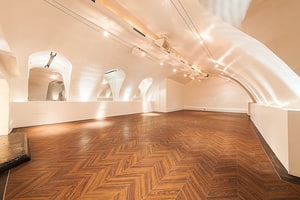
Event Space
∙
Greater London
5,000 sq ft
from £2,220 per day
Short-term Commercial Space in Covent Garden, London
Browse by location: Short-term commercial space in Seven Dials, London ; Short-term commercial space in Neal Street, London ; Short-term commercial space in Long Acre, London ; Short-term commercial space in Henrietta Street, London ; Short-term commercial space in Floral St, London
Popular venues in Covent Garden, London:Cheap Commercial Property in Covent Garden, London ; Large Commercial Space For Rent in Covent Garden, London ; Small Retail Space in Covent Garden, London ; Storefront With Apartment in Covent Garden, London
Covent Garden sits inside the Central Activities Zone, built around the former market building and managed largely as a single retail estate. The tenant mix is curated rather than incidental, which means short-term commercial space here is offered as a deliberate programme rather than a gap between tenants. For brands looking for temporary commercial space in a high-footfall setting, that structure makes Covent Garden one of the more accessible parts of central London for a first physical presence.
Flexible commercial space in the district ranges from narrow Victorian shopfronts to units inside the piazza itself, where the Apple Market runs permanent units alongside daily stalls. Whether the need is a pop-up shop, a showroom, a gallery activation or a corporate event, the area's mix of retail, theatre and hospitality audiences puts several different customer profiles within walking distance.
What makes Covent Garden suited to short-term commercial space
The district is a managed retail estate with a curated tenant mix, and short-term lets sit inside that programme. Seven Dials, the quarter of seven radiating streets within Covent Garden, holds smaller units with an independent lean. Neal Street and Neal's Yard inside Seven Dials carry the smallest footprints in the area, taken by brands wanting a discovered rather than obvious address. Monmouth Street sits alongside them.
Closer to the piazza, Floral Street and Henrietta Street run through the core of the estate. Long Acre forms the broad northern boundary, connecting the district to the wider West End. Units here are small by international standards: expect to work vertically rather than horizontally, often over one or two floors with a basement.
Leicester Square station, among the forty busiest in London by annual entries and exits, serves the area alongside Covent Garden and Charing Cross stations. That through-traffic is a useful proxy for the footfall a ground-floor unit can expect.
Who rents temporary commercial space in Covent Garden
The audience splits broadly into three. Retail brands use the area for pop-up shops and product launches, drawn by the volume of shoppers passing through the piazza and Seven Dials. Fashion and beauty labels take showroom space during the February and September fashion weeks, when buyer traffic in central London peaks. And corporate clients book event and meeting space for launches, press days and brand activations, using the theatre-district setting as a backdrop.
Short-term activations by brands using Covent Garden's footfall are a recurring feature of the district. Read more about how Huda Beauty created an immersive pop-up experience in Covent Garden.
How pricing works for flexible commercial space here
Rates vary by street, floor, size and timing. A ground-floor unit with a window on one of the estate's main runs commands the most. First-floor and basement space in the same building asks less, and a side street a few doors off the main route asks materially less again while keeping much of the passing trade.
The strongest levers a renter controls are timing and flexibility. Off-peak months and midweek dates cost less than peak season and weekends. A longer booking usually earns a better daily rate than a single day. And being open on dates, or able to take a space at short notice when a host has a gap, is the single biggest way to reduce what you pay.
When to book
Demand for short-term space in central London peaks around the fashion weeks in February and September, through the run-up to Christmas, and again during the autumn art and design festivals. The Christmas trading period, from the West End lights switch-on in November through to Christmas Eve, is the densest stretch of the retail year. Covent Garden runs its own installations during that window.
Boxing Day on 26 December opens the winter sale period and is one of the highest-footfall trading days of the year. August is the quietest month, when a large share of the city leaves and office footfall drops, but West End visitor numbers remain high because the tourist season peaks in July and August. That inversion is worth planning around.
Black Friday, adopted by British retail and falling on the Friday after the fourth Thursday in November, now marks the start of the Christmas trading run.
Choosing between Covent Garden and the rest of London
Covent Garden sits in the managed-estate tier of London retail alongside Carnaby, Marylebone High Street and Coal Drops Yard, between the international flagship streets and the independent districts. The estate curation means brands sit alongside a deliberate mix of neighbours rather than whoever happens to take the next unit.
For brands whose customer is a Londoner rather than a visitor, a Major centre such as Dalston or Fulham draws from its whole borough at a fraction of West End rents. The London Plan grades retail destinations by how far they draw from, and that grade tells you more about an address than the postcode does. Covent Garden and the Strand form a named CAZ retail cluster, the planning designation that governs what may be built and let here.
Browse all available retail space for rent across the platform.
FAQ
How long can you hire short-term commercial space in Covent Garden?
Bookings range from a single day to several months. Duration depends on the host and the space. A longer commitment usually earns a better daily rate, and many hosts prefer continuity over a series of short lets.
What types of space are available for hire in Covent Garden?
The district carries pop-up shops, showrooms, gallery spaces, event venues and flexible offices. Units range from small independents in Seven Dials to larger frontages on Long Acre and around the piazza.
Is Covent Garden well connected by public transport?
The area is served by Charing Cross, Covent Garden and Leicester Square stations. Leicester Square is among the forty busiest stations in London, which gives a sense of the through-traffic passing the district.
What is the best time of year to rent a cheap temporary space in Covent Garden?
August is the quietest month for local trade, which can mean better availability and rates. The run-up to Christmas is the busiest and most competitive. Midweek dates and shoulder seasons offer the best balance of footfall and cost.
How does space hire in Covent Garden compare to other London neighbourhoods?
Covent Garden is a managed estate with curated tenants, sitting between the flagship streets of Oxford Street and Bond Street and the independent districts of Shoreditch and Dalston. Rents reflect that position. Brands wanting lower cost and a local audience may find a better fit on a neighbourhood high street.


