


Why Rent a Small Retail Space in Covent Garden
Covent Garden is a managed retail estate, which means the tenant mix across the piazza and Seven Dials is curated rather than incidental. For a small retail space, that context matters: your neighbours are chosen, the estate is maintained, and the visitor flow is consistent across the week. The area draws international tourists alongside London residents, giving a small shop here a broader audience than its footprint suggests.
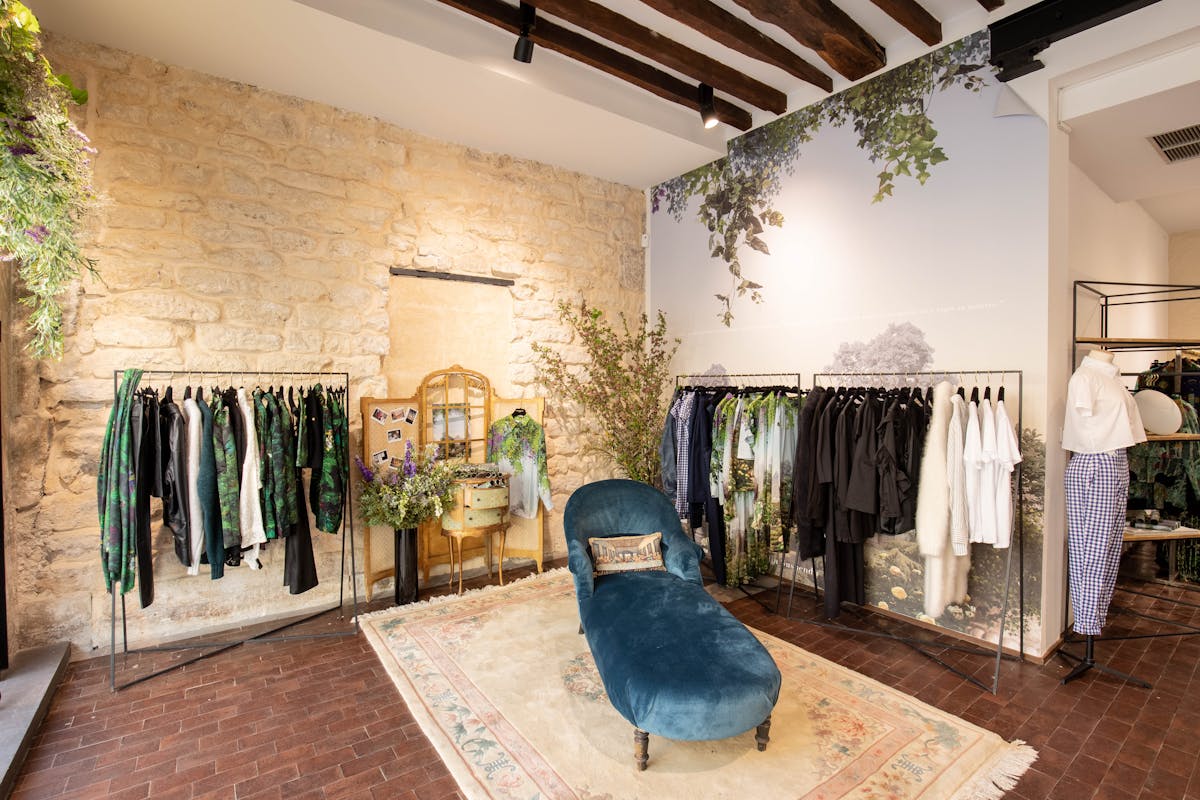
The scale of units in Covent Garden is genuinely small by central London standards. Most ground-floor spaces are narrow Victorian or Georgian frontages across one or two floors, often with a basement. Brands used to larger floorplates should expect to work vertically. That constraint is also the opportunity: a well-dressed small space in this district competes directly with much larger neighbours on visibility and dwell time.
For brands exploring short-term retail in London more broadly, the retail space in London search page covers the full range of neighbourhoods and unit types across the city.
What Works Well in a Small Covent Garden Space
The managed estate format and consistent visitor mix make Covent Garden particularly suited to a handful of formats:
-
Pop-up shops running a defined campaign or product launch
-
Concession-style retail sitting alongside an existing anchor
-
Limited-edition or seasonal brand activations with a short booking window
-
International brands testing the London market before committing to a longer lease
Seven Dials, the quarter of seven radiating streets within the Covent Garden estate, holds the smallest units and an independent tenant mix. Neal's Yard and Monmouth Street within Seven Dials are taken by brands that want a discovered rather than an obvious address. The Covent Garden Piazza and the Apple Market inside the old market building also run short-term space as a deliberate programme alongside permanent units.
Brands with a need for a live-in or stay-nearby arrangement during a run might also consider a Storefront With Apartment, which combines retail space with accommodation in the same booking.
When to Book: Seasonal Demand in Covent Garden
Demand for short-term retail in Covent Garden follows London's retail calendar closely. The Christmas trading period, from the switch-on of the West End lights in November through to Christmas Eve, is the busiest stretch of the year. Oxford Street, Regent Street and Covent Garden each run their own seasonal installations, and footfall across the district in late November and December is the highest of the year.
The autumn also brings two concentrated periods of activity: London Design Festival, expected in September 2026, and Frieze London and Frieze Masters, expected in October 2026. Both draw design and art audiences into the city and create secondary demand for short-term retail and activation space.
London Fashion Week, expected in September 2026, brings international buyers and press to shows and presentations across the city and is another peak window for brand activity in central London.
For a broader look at how pop-up retail works across London, Pop Up Store Rental covers the formats, timelines and what to expect from a short-term booking.
Access and Location
Covent Garden is served by Covent Garden, Leicester Square and Charing Cross stations, all within a short walk of the estate. The area sits inside the Congestion Charge zone, which operates on weekdays and at weekends, so fit-out scheduling and deliveries should account for that. The Ultra Low Emission Zone applies across every London borough and runs around the clock, so any van used for a fit-out needs to meet the emissions standard or pay the daily charge.
FAQ
What size spaces are available in Covent Garden?
Most units within the Covent Garden estate are small by central London standards: narrow Victorian or Georgian frontages across one or two floors, often with a basement. The Apple Market inside the old market building offers stall-format space alongside short-term unit lettings as part of the estate programme.
How long can I book a small retail space in Covent Garden?
Bookings run from a single day through to several months. The managed estate format means short-term lettings are a deliberate part of the tenant programme rather than a gap between longer leases, so the infrastructure for a brief booking is already in place.
Do I need planning permission for a pop-up shop in Covent Garden?
Since English use classes were reformed, shops, offices and most town-centre uses sit together in Class E. Moving between uses within that class is not classed as development and does not require a planning application. That is why a pop-up can occupy a former office or restaurant unit without going through a planning process. Many buildings in central London are listed or sit inside conservation areas, so external alterations to signage or the shopfront may need separate consent from the local authority.
When is Covent Garden busiest for retail?
The Christmas trading period from November through to Christmas Eve is consistently the highest-footfall window of the year. The autumn festival season, covering London Design Festival and Frieze, also brings concentrated demand. August is generally the quietest month, when a large share of London's resident population leaves the city.
Can I open on Sundays?
Most small retail units fall below the 280 square metre threshold that triggers Sunday trading restrictions, so they can open any day and any hour. Units above that threshold are limited to six consecutive hours on Sundays between 10am and 6pm. Check the size of any specific unit before planning a Sunday launch.
Where exactly in Covent Garden are the small retail spaces?
Spaces are spread across the managed estate, including around the Piazza, inside the Apple Market, and through the Seven Dials quarter. Neal's Yard and Monmouth Street within Seven Dials carry the smallest units and an independent tenant mix. The Oxford Street corridor sits a short walk north and covers a different format and price bracket entirely.


