We use cookies and similar technologies to track your activity and improve your experience.
Sort by
Recommended
See on map
Top Space

Art Gallery
∙
Notting Hill
570 sq ft
from £515 per day
Top Space
4.76(8)
See on map
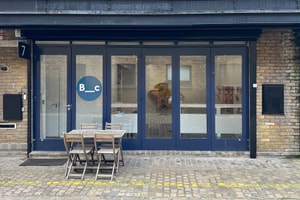
Art Gallery
∙
Greater London
600 sq ft
from £480 per day
See on map
Advertisement Space
∙
Greater London
10 sq ft
from £1,200 per day
See on map

Unique Space
∙
Greater London
1,300 sq ft
from £2,640 per day
See on map

Pop-Up Shop in Notting Hill, London
Browse by location: Pop-up shop rental in Ledbury Road, London ; Pop-up shop rental in Portobello Road, London ; Pop-up shop rental in Westbourne Grove, London
Notting Hill sits in W11, inside the Royal Borough of Kensington and Chelsea, and its retail runs on a handful of streets where independent labels, vintage dealers and design-led homeware brands share frontage. A pop-up shop in Notting Hill, London puts a brand on those streets for days or weeks rather than months, with a weekend visitor draw built around Portobello Road's Saturday market and an affluent resident catchment the rest of the week.
Storefront lists short-term retail space in London, including spaces in Notting Hill. Browse available venues, filter by size and dates, and enquire directly with the space owner.
Pop-Up Shops on Portobello Road
Portobello Road holds the best-known antiques and street market in London, trading hardest on Saturdays. The market shapes the retail around it, and Saturday is the trading day in Notting Hill: the gap between Saturday footfall and the rest of the week is wider here than anywhere else in our London coverage. The same street midweek is a quiet residential parade. A pop-up store in Notting Hill, London that does not include Saturdays has bought a different place.
Golborne Road, at the northern end of Portobello, holds a Moroccan and Portuguese food trade and a smaller antiques market on lower rents than the streets to its south. Brands in food, vintage or art that want the Portobello crowd without Portobello pricing look here.
Pop-Up Spaces on Westbourne Grove and Ledbury Road
Westbourne Grove and Ledbury Road are the design-led retail streets of Notting Hill, with small units taken by independent labels and homeware brands. Units here are small, narrow and set in stucco-fronted terraces, many of them listed or inside a conservation area. The frontages that make the district photograph well are the ones that cannot be altered, so the look is both the asset and the constraint.
Fashion, beauty and homeware launches take short space here for the setting rather than the volume. The affluent resident catchment and the market crowd arrive together at weekends, and the streets themselves are a backdrop brands want photographed.
Pop-Up Store Formats by Street
Notting Hill is not one uniform high street. Each pocket suits a different kind of popup store in Notting Hill, London:
-
Portobello Road: vintage, streetwear, art and food brands benefit from the Saturday market crowd without relying on paid advertising to generate walk-ins.
-
Westbourne Grove and Ledbury Road: premium fashion, beauty and homeware launches that need a clean, gallery-like setting and a higher-spending audience.
-
Golborne Road: food, vintage and smaller independent brands looking for lower rents at the northern end of the Portobello run.
-
Holland Park Avenue and Clarendon Cross: quieter, more residential retail away from the market crowds, suited to appointment-based visits or wellness activations.
-
Kensington Church Street: a long-established antiques trade on small frontages, running north from Kensington High Street toward Notting Hill Gate.
Notting Hill vs Other London Pop-Up Neighbourhoods
-
Notting Hill: affluent residents and weekend market visitors. Best for fashion, art, vintage, homeware and lifestyle brands. Saturday-driven footfall, narrow Victorian units, conservation-area setting.
-
Shoreditch: younger, trend-driven crowd. Suits DTC brands with a strong visual identity or social-media following. Weekend and evening peaks.
-
Oxford Street: the highest raw footfall in London. Suits brands that need volume and visibility above all else.
-
Marylebone: curated high street managed under a single estate, with an edited tenant mix. Suits premium brands that want a managed retail environment.
-
Kings Cross: purpose-built retail at Coal Drops Yard with a curated tenant programme. Suits brands looking for a contemporary setting with designed public space.
When to Book a Pop-Up Shop in Notting Hill
Saturday is the anchor. The Portobello Road market runs every Saturday year-round, but the busiest Saturdays fall between April and October when visitor volumes rise. A temporary retail space timed to cover multiple consecutive Saturdays captures repeat visitors and builds local recognition.
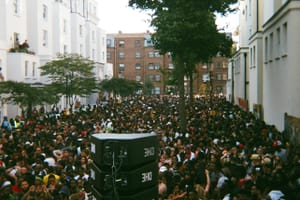
Notting Hill Carnival takes place over the August bank holiday weekend at the end of the month. It is Europe's largest street festival and draws crowds in the millions, closing the area completely. For retailers on the route it is either the biggest weekend of the year or a weekend to board up.
The Christmas period, roughly mid-November through late December, brings a surge in gift-oriented shopping. Boxing Day on 26 December opens the winter sale period and is one of the highest-footfall trading days of the year. Notting Hill's independent character makes it a destination for shoppers looking for alternatives to mass-market products.
Demand for short-term space in London peaks around fashion weeks in February and September, through the Christmas run-up, and again around the autumn art and design festivals. August is the quietest month outside the Carnival weekend.
What to Expect from the Space
London retail units are small by international standards. Outside the flagship streets, a typical ground-floor shop is a narrow Victorian or Georgian frontage over one or two floors, often with a basement and limited rear access. Brands used to American floorplates should expect to work vertically rather than horizontally.
The units around Westbourne Grove and Ledbury Road are set in stucco-fronted terraces. Shopfront signage, window displays and lighting work as extensions of the street rather than standalone branding, and any external alteration on a listed or conservation-area building needs consent. Requirements depend on the space and the local authority, and are worth confirming before booking.
For more on protecting your pop-up, see insurance for pop-up shops in London. For visual inspiration, browse pop-up store transformations in London.
FAQ
Which brands suit a pop-up shop in Notting Hill?
Fashion, vintage, art, homeware, beauty and lifestyle brands tend to perform strongest. The neighbourhood draws shoppers who respond to curation and limited editions. Food and beverage pop-ups do well near Portobello Road on market days.
How long should a pop-up store booking last in Notting Hill?
A weekend booking captures Saturday market traffic and tests demand quickly. A two-to-four-week booking builds local recognition and catches repeat visitors. Brands entering the UK market for the first time often book longer to gather enough data.
When is the best time of year for a pop-up in Notting Hill?
Saturdays between April and October see the highest regular footfall on Portobello Road. The Notting Hill Carnival weekend in August draws the largest single-event crowds. The Christmas shopping period from mid-November through December is strong for gift-oriented brands.
Is Notting Hill better than Shoreditch for a pop-up store?
They serve different audiences. Notting Hill draws affluent, design-conscious shoppers and international visitors. Shoreditch draws a younger, trend-led crowd. Brands that want a heritage setting and a higher average spend often choose Notting Hill. Brands that want cultural edge and a younger demographic choose Shoreditch.
What size are retail units in Notting Hill?
Most are narrow Victorian or Georgian frontages over one or two floors, often with a basement. They are smaller than typical American retail units. Expect to work vertically rather than horizontally, and plan merchandising around a compact ground-floor footprint.


