We use cookies and similar technologies to track your activity and improve your experience.
Sort by
Recommended
See on map
Top Space
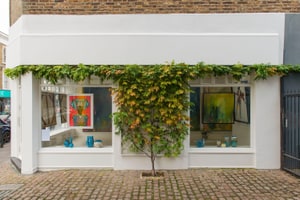
Art Gallery
∙
Notting Hill
570 sq ft
from £515 per day
Top Space
4.76(8)
See on map
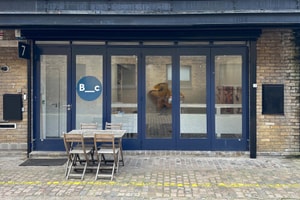
Art Gallery
∙
Greater London
600 sq ft
from £480 per day
See on map
Advertisement Space
∙
Greater London
10 sq ft
from £1,200 per day
See on map

See on map

Unique Space
∙
Greater London
1,300 sq ft
from £2,640 per day
Short-Term Commercial Space in Notting Hill, London
Browse by location: Short-term commercial space in Ledbury Road, London ; Short-term commercial space in Portobello Road, London ; Short-term commercial space in Westbourne Grove, London
Popular venues in Notting Hill, London:Cheap Commercial Property in Notting Hill, London ; Large Commercial Space For Rent in Notting Hill, London ; Small Retail Space in Notting Hill, London ; Storefront With Apartment in Notting Hill, London
Notting Hill sits in west London under the W11 postcode, combining a wealthy resident catchment with a strong weekend visitor flow centred on its markets and design-led streets. Brands looking for short-term commercial space, temporary commercial space or flexible commercial space in Notting Hill, London find a neighbourhood where the setting is as much the draw as the footfall. You can hire space here from a single day to several months, with no long-term lease commitment.
Why Hire Temporary Commercial Space in Notting Hill
The neighbourhood runs on two catchments that rarely overlap elsewhere in London. During the week, an affluent residential base supports the independent shops along Westbourne Grove and Ledbury Road. On Saturdays, Portobello Road fills with visitors drawn by the antiques and street market, and the whole area changes pace. Saturday is the trading day in Notting Hill, and the gap between it and the rest of the week is wider here than almost anywhere else in the city.
For fashion, beauty and homeware launches, the stucco-fronted terraces and narrow Victorian frontages photograph well and give a brand a backdrop worth sharing. The units around Westbourne Grove and Ledbury Road are small, set in listed or conservation-area terraces, and the look is both the asset and the constraint: the frontages that make the district worth photographing are the ones that cannot be altered.
If your brief calls for high footfall and large floorplates, Shoreditch or the managed estates around Covent Garden and Seven Dials may suit better. Notting Hill works for brands that want aesthetic authenticity and a curated feel over volume.
Streets and Locations
Commercial activity in Notting Hill concentrates on a handful of streets rather than spreading across the whole district.
-
Portobello Road runs the length of the neighbourhood and anchors the antiques and street market. Short-term stall and unit programmes run alongside permanent tenants, and the market shapes the retail on the street around it.
-
Westbourne Grove and Ledbury Road carry the design-led independent retail, with small frontages taken by fashion labels and homeware brands.
-
Golborne Road, at the northern end of Portobello, holds a Moroccan and Portuguese food trade and a smaller antiques market, on lower rents than the streets to its south.
-
Kensington Church Street runs north from Kensington High Street toward Notting Hill Gate and holds a long-established antiques trade on small frontages.
-
Holland Park Avenue and Clarendon Cross carry the quieter, more residential retail of the area, away from the market crowds.
The Design Museum sits at the western end of Kensington High Street beside Holland Park and brings a design-led visitor flow to that end of the street. London retail units outside the flagship streets are small by international standards: expect narrow ground-floor frontages over one or two floors, often with a basement and limited rear access.
Popular Use Cases for Space Hire in Notting Hill
Notting Hill suits a narrower range of commercial activity than a West End or Shoreditch address, and that specificity is worth understanding before you book.
-
Fashion and beauty launches are the most common use case on the design streets. A short let on Westbourne Grove or Ledbury Road gives a brand the right backdrop for photography and press coverage as much as for direct sales.
-
Gallery openings and art sales fit naturally in a neighbourhood with an established art and antiques trade along Portobello Road and Kensington Church Street.
-
Brand activations and product launches work well in the smaller, more intimate units, where the domestic scale creates a different atmosphere from a large commercial floor.
-
Market pitches on Portobello Road itself offer a lower-commitment way into the neighbourhood, with stall and short-let programmes running alongside permanent traders.
For a step-by-step overview of setting up in the city, how to start a pop-up shop in London covers the practical questions from first enquiry to opening day.
Getting to Notting Hill
Notting Hill is served by Notting Hill Gate, Bayswater, Holland Park, Ladbroke Grove, Latimer Road, Queensway, Royal Oak, Shepherd's Bush and Westbourne Park stations. Notting Hill Gate is among the busiest stations in London by annual entries and exits, which gives a useful proxy for the through-traffic a ground-floor unit here can expect. The area is well connected across the city, and most of the commercial streets sit within a short walk of at least one station.
Notting Hill Carnival and Seasonal Timing
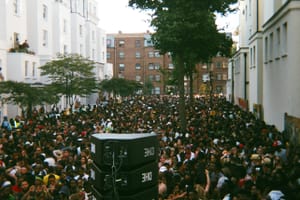
Notting Hill Carnival is Europe's largest street festival, held over the August bank holiday weekend across Notting Hill and Ladbroke Grove. It draws crowds in the millions and closes the area completely. For spaces on or near the route, it is either the highest-footfall weekend of the year or a weekend to board up, and there is no middle ground. Check the route against your specific address before hiring space for that period.
Demand for flexible commercial space in London peaks around the fashion weeks in February and September, through the run-up to Christmas, and again during the autumn art and design festivals. Boxing Day opens the winter sale period in the United Kingdom and is one of the highest-footfall trading days of the year. August is otherwise the quietest month, when a large share of the city leaves.
Black Friday, adopted by British retail and falling on the Friday after the fourth Thursday in November, now marks the start of the Christmas trading run. The bank holidays in May and late August each create a three-day weekend that fills central London with domestic visitors.
How to Find Cheap Short-Term Space in Notting Hill
Rates for temporary commercial space in Notting Hill vary by street, size, floor and timing. No single figure holds across the neighbourhood, but the levers that reduce what you pay are consistent.
-
Timing. Saturday demand here is sharply higher than midweek demand. A booking that skips Saturdays is a different proposition at a different rate. Off-peak months, particularly August, bring quieter demand.
-
Position on the street. A unit a few doors off the main Portobello run asks materially less than one on the market frontage, while keeping much of the passing trade on market day.
-
Floor. Ground floor with a window commands the highest rate. First floor and basement space in the same building asks less.
-
Duration. A longer booking typically earns a better daily rate. Hosts price continuity.
-
Fit-out. A finished, furnished space costs more than a raw one. If the brand is bringing its own build, the raw space is the better buy.
Browsing the listings and filtering by size and location is the most direct way to understand the range before enquiring. For inspiration on what brands have done with short-term space, see Before and After: 5 Stunning Pop-Up Store Transformations in London.
FAQ
Can I hire commercial space in Notting Hill for a single day?
Yes. Short-term commercial space in Notting Hill is available from a single day upwards. Some spaces book by the day; others require a minimum of a weekend or a week. The listing states the minimum term, and you can discuss flexibility directly with the host.
What kinds of space are available in Notting Hill?
Most units are small ground-floor retail space for rent in Victorian or Georgian terraced buildings, often with a basement and one upper floor. The neighbourhood does not carry the large warehouse or loft formats found in Shoreditch or Hackney. If your brief requires substantial square footage, a nearby neighbourhood may suit better.
Is Notting Hill Carnival good or bad for trading?
It depends on whether your space sits on or near the carnival route. The August bank holiday weekend draws crowds in the millions and closes surrounding streets. That can mean the highest footfall of the year for a space on the route, or impractical access for a space nearby. Confirm the route against your address before booking that period.
How far in advance should I book?
Saturday availability moves quickly, particularly during peak periods such as the run-up to Christmas and the fashion weeks in February and September. If your dates are fixed, booking early gives you the widest choice. Some hosts accept bookings at shorter notice when gaps open, so flexible timing is an advantage.
What is the difference between Notting Hill and Shoreditch for a pop-up?
Notting Hill draws an affluent, design-conscious audience and works best for fashion, beauty and homeware brands that want an intimate, photogenic setting. Shoreditch leans toward streetwear, contemporary art and DTC brands, with larger warehouse-style units and a younger visitor profile. The choice depends on whether you are after aesthetic polish or creative edge.


