We use cookies and similar technologies to track your activity and improve your experience.
Sort by
Recommended
See on map
See on map

See on map
Fast Responder

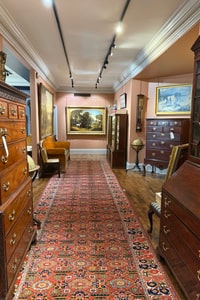
Creative Space
∙
New York
3,000 sq ft
from $2,400 per day
Fast Responder
See on map

See on map
See on map

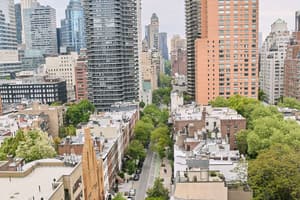
Photo / Filming Studio
∙
New York
710 sq ft
from $960 per day
See on map

See on map

See on map

Pop-Up Gallery and Exhibition Space on the Upper East Side, New York
Browse by location: Pop-up gallery in 5th Avenue, New York ; Pop-up gallery in Madison Avenue, New York ; Pop-up gallery in Park Avenue, New York ; Pop-up gallery in Lexington Avenue, New York ; Pop-up gallery in East 59th Street, New York ; Pop-up gallery in West End Ave, New York
The Upper East Side sits at the heart of New York's uptown art market. Museum Mile runs along Fifth Avenue and draws a steady flow of collectors, curators and gallery visitors to the eastern edge of Central Park. A pop-up gallery here puts work in front of an audience that already comes to this part of Manhattan to look at art.
Whether you are planning an artist debut, a design exhibition or a temporary showcase for an emerging label, the neighborhood offers short-term art gallery and exhibition space for rent within walking distance of some of the most visited cultural institutions in the country.
Why the Upper East Side for a Pop-Up Gallery
The resident catchment here is one of the wealthiest in Manhattan. Collectors and high-net-worth buyers live on these blocks, and many of them walk to galleries rather than traveling downtown. That local audience, combined with the visitor traffic Museum Mile generates along Fifth Avenue, gives a temporary exhibition a built-in crowd that few other neighborhoods can match.
Madison Avenue above 57th Street is the luxury retail spine of the district, occupied by established fashion and jewelry houses. That context works in favor of a pop-up gallery: the foot traffic is already conditioned to browse, and the expectation of quality is set by the permanent neighbors. For a different price point and a quieter setting, the numbered cross-streets in the 70s hold independent retail set back from the avenue frontages, and Lexington Avenue carries the everyday shopping one block east of the residential corridor on Park.
Streets and Spaces to Know
The Upper East Side runs on four parallel avenues that serve very different purposes. Fifth Avenue is institutional. Madison is luxury retail. Park Avenue is residential and formal. Lexington Avenue is everyday commerce. Naming the district means almost nothing until the avenue is named, and a pop-up gallery on Madison reads completely differently from one on Lexington.
A corner unit carries two frontages and the foot traffic of both streets, and is priced accordingly. An in-line unit mid-block on the same street is a different proposition. The distinction matters more here than the street name alone, so walk the block before booking.
Who Books Exhibition Space Here
The Upper East Side attracts a specific kind of short-term exhibition:
-
Artists and emerging labels staging a first New York show for a collector audience
-
Jewelry and luxury goods brands running trunk shows near their permanent retail neighbors on Madison Avenue
-
Designers presenting capsule collections or seasonal lookbooks
-
Curators mounting group exhibitions timed to autumn gallery season or the spring art calendar
The neighborhood and the spaces suit exhibitions, brand activations and curated selling events.
Timing and Seasonality
Demand for exhibition space in New York peaks around the fashion weeks in February and September, through the autumn gallery season and into the run-up to the December holidays. Late summer is the quietest stretch: a significant part of the Upper East Side's resident population leaves the city in July and August, and foot traffic drops accordingly.
The weeks after the holidays, from January into early February, combine post-Christmas spending fatigue with the coldest weather. That trough is when rates are most negotiable, and a well-promoted exhibition can still draw because the permanent museums stay open year-round.
How to Spend Less on a Pop-Up Gallery
Rates for exhibition space on the Upper East Side vary by avenue, floor, size and timing. The real levers a renter controls:
-
Timing. Booking outside the autumn peak and the holiday season brings rates down. Midweek openings cost less than weekend ones.
-
Duration. A longer booking usually earns a better daily rate than a single night. Hosts price continuity.
-
Position. A side street a few doors off Madison asks materially less than the avenue itself, while keeping much of the passing trade.
-
Floor. Ground floor with a window commands the most. A first-floor or basement space in the same building asks less and can work well for a gallery format where visitors come on purpose.
-
Fit-out. A finished, white-wall space costs more than a raw one. If the exhibition is bringing its own build, the raw space is the better buy.
-
Flexibility. Being open on dates, or able to take a space at short notice when a host has a gap, is the single biggest lever available.
Getting There
The Upper East Side is well served by the subway, with stations along both the Lexington Avenue corridor and the newer Second Avenue line. The area is one of the best-connected parts of the East Side, and most gallery-goers arrive on foot once they are in the neighborhood. The subway runs twenty-four hours a day, so a late opening or an evening private view does not have to plan around a last train.
For visitors arriving from outside the city, three regional rail systems reach Manhattan through Grand Central and Penn Station, delivering a large daily population that lives outside New York and shops inside it.
Comparing Upper East Side with Other Art Neighborhoods
The Upper East Side competes with Chelsea and the Flatiron District for exhibition bookings. Chelsea's gallery district around 10th Avenue is the established contemporary art corridor, and a pop-up there sits among permanent blue-chip galleries. The Flatiron District offers a midtown position between the uptown and downtown art worlds.
What the Upper East Side offers that those neighborhoods do not is the collector next door. The resident buyer base here does not need to travel to see the work, and the proximity to Museum Mile means international visitors already have the neighborhood on their itinerary. For art space across New York, the choice comes down to audience: emerging-art crowds downtown, trade and contemporary collectors in Chelsea, or the established collector and museum-visitor base uptown.
FAQ
What kinds of exhibition space are available on the Upper East Side?
Spaces range from ground-floor gallery units on the avenues to townhouse-scale rooms on the cross-streets. Some are finished with white walls and track lighting; others are raw and suit a build-out. Size, ceiling height and street frontage vary block by block.
How long can you book a pop-up gallery for?
A temporary gallery rental can run from a single day to several weeks or longer. Shorter bookings suit one-night openings and private views. Longer runs work for selling exhibitions and group shows where the audience builds over time.
Is the Upper East Side a good location for an emerging artist?
The neighborhood puts work directly in front of collectors and gallery visitors, which is harder to achieve downtown where the audience skews younger and more casual. An emerging artist showing near Museum Mile benefits from the assumption of seriousness that the location carries.
When is the best time to book exhibition space here?
Autumn gallery season and the run-up to December are the busiest and most expensive windows. Late summer and the post-holiday weeks in January and February are quieter, with more availability and better rates. For more on retail and gallery space on the Upper East Side, the neighborhood guide covers seasonal patterns in detail.
How does the Upper East Side compare with Chelsea for a pop-up gallery?
Chelsea is the established contemporary gallery district with a built-in art-world audience. The Upper East Side offers proximity to high-net-worth residents and Museum Mile visitors. The right choice depends on whether the exhibition is aimed at the trade and contemporary collecting crowd or at the established collector base uptown.


