We use cookies and similar technologies to track your activity and improve your experience.
Sort by
Recommended
See on map

See on map

See on map
See on map

See on map

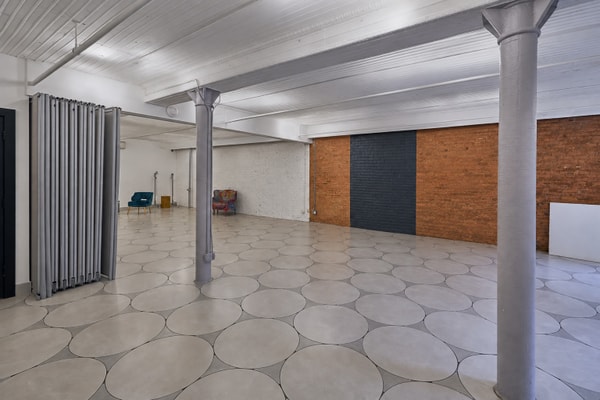
Creative Space
∙
New York
1,255 sq ft
from $1,000 per day
See on map

See on map
See on map

See on map

See on map

See on map

See on map

See on map

Art Gallery for Rent in Upper West Side, New York
The Upper West Side offers a distinct gallery circuit for artists and brands who want to reach local New York audiences rather than industry insiders. Storefront lists art gallery space available for short-term rent across the neighborhood, from ground-floor storefronts on Columbus Avenue to boutique rooms in pre-war buildings along Riverside Drive. Whether you are planning a solo exhibition, a group show, a photography display, or a brand activation with an art-forward concept, the Upper West Side puts your work in front of residents who walk to cultural events from home.
The neighborhood runs from 59th Street to 110th Street, bounded by Central Park to the east and Riverside Park to the west. Lincoln Center anchors the southern end at Lincoln Square, drawing audiences for opera, ballet, and film at venues including David Geffen Hall and the Film at Lincoln Center. The American Museum of Natural History occupies a full block at 79th Street and Central Park West. These institutions generate consistent evening and weekend foot traffic that benefits nearby gallery spaces in ways that Midtown commercial corridors, which peak 9 to 5 on weekdays, do not.
Who Should Rent an Art Gallery on the Upper West Side
The Upper West Side audience skews toward long-term residents: professionals, academics, and families with sustained cultural habits. This is not a destination district for collectors on a gallery circuit the way Chelsea is, and it is not a scene-driven corridor the way the Lower East Side is. That distinction is an advantage for certain renter types and a mismatch for others.
Renters who do well here:
-
Independent and emerging artists staging a first or second New York exhibition, who want a credible setting without the overhead and gatekeeping of established gallery districts
-
Photography and illustration artists, whose work suits the refined, residential-scale spaces common in the neighborhood
-
Small nonprofits and community arts organizations booking spaces for group shows and benefit exhibitions
-
Luxury and lifestyle brands running art-adjacent activations that want an affluent residential audience rather than a commercial Midtown crowd
Renters who may find the Upper West Side a poor fit:
-
High-volume commercial pop-ups that need maximum pedestrian throughput
-
Nightlife or club-format events, which face friction in a residential neighborhood
-
Experimental or confrontational work calibrated for an industry-specialist audience rather than a general cultural one
For renters choosing between the Upper West Side and the Upper East Side, which shares a similar demographic profile, the key difference is gallery infrastructure. The Upper East Side has a longer-established commercial gallery presence on and around Madison Avenue. The Upper West Side has fewer permanent galleries, which means short-term renters face less direct competition for local attention and can position their exhibition as a genuine neighborhood event rather than one more opening on a crowded circuit.
Micro-Districts Within the Upper West Side
The neighborhood is large enough that location within it matters for gallery renters.
-
Lincoln Square (59th to 72nd Street) sits closest to Lincoln Center. Spaces here benefit from pre- and post-performance foot traffic on evenings when the center has programming. This micro-district suits brand activations and shows with a performance or design angle.
-
Columbus Avenue corridor (72nd to 86th Street) is the neighborhood's main retail and dining strip. Ground-floor spaces with street-facing windows here offer the highest walk-in visibility in the neighborhood. Suitable for accessible, visually engaging exhibitions that benefit from spontaneous discovery.
-
Riverside Drive and West End Avenue (throughout) offer residential-scale spaces in pre-war buildings with high ceilings and natural light. Lower foot traffic than Columbus Avenue but a quieter, more contemplative setting suited to photography exhibitions and intimate group shows.
-
Morningside Heights (100th to 110th Street) borders Columbia University. Spaces here attract an academic and student audience alongside residents. Useful for community-oriented programming and university-adjacent partnerships.
Types of Art Gallery Space Available
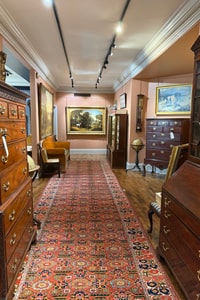
Spaces on the Upper West Side reflect the neighborhood's architectural character. Most buildings pre-date 1940, which means higher ceilings, wood floors, and proportioned rooms rather than the raw industrial lofts common in Brooklyn or West Chelsea.
Common formats include:
-
Ground-floor retail conversions with street-facing windows, suited to exhibitions that benefit from walk-in visibility on Columbus or Amsterdam Avenue
-
Boutique gallery rooms in pre-war buildings with natural light from large windows, suited to painting and photography shows
-
Multi-room spaces that allow a curated exhibition flow across connected rooms, suited to group shows or thematic installations
-
Shared creative studios that convert to gallery mode for short-term bookings, suited to emerging artists working within a tighter budget
Most listings range from 400 to 1,500 square feet. A boutique single-room space at the lower end suits a solo show or an intimate brand activation. Multi-room spaces at the upper end work for group exhibitions with five or more artists, or for brands that need a reception area separated from the display space.
Gallery Rental Budgeting for the Upper West Side
Short-term art gallery rental in the Upper West Side is generally priced below comparable spaces in Chelsea or SoHo, making it one of the more accessible neighborhoods for independent artists and small organizations to stage a New York exhibition.
To size your commitment before browsing listings:
-
A solo photography show running two weeks in a 600-square-foot space represents a defined, budgetable scope. Browse current listings on Art Gallery Exhibition Space For Rent to compare live pricing across size and finish level.
-
Spaces with dedicated lighting rigs, hanging systems, and polished concrete or hardwood floors sit at the higher end of the available range. Spaces without installed exhibition infrastructure offer more flexibility on price.
-
Multi-week bookings frequently come at a discounted daily rate. If your exhibition format allows a two- to four-week run, ask the space owner about weekly pricing.
For context on how Upper West Side pricing compares across the city, browse Art Space In New York to see listings across all neighborhoods.
Peak Periods for Gallery Rentals on the Upper West Side
Demand for temporary art gallery space follows the city's broader cultural calendar, with some patterns specific to this neighborhood.
-
Fall season (September through November): The Armory Show opens the fall calendar in September, followed by a dense schedule of gallery openings across the city. Upper West Side galleries benefit from overflow demand as renters look beyond Chelsea and the Lower East Side. Lincoln Center's full fall performance schedule brings evening audiences into the neighborhood from late September onward.
-
Spring season (March through May): Frieze NY and TEFAF NY both run in May, pulling collectors and curators into the city. March through May is the second major booking window for short-term art gallery space in New York.
-
Holiday window (November through December): The neighborhood's affluent residential base makes it a strong location for curated gift-oriented shows and luxury brand activations in the six weeks before the end of December.
-
Summer (June through August): Quieter, with residents traveling, but useful for longer-duration shows at lower rates. Photography exhibitions and community-focused programming fill this window well. AMNH summer attendance is high, which benefits spaces near 79th Street.
How to Book a Short-Term Art Gallery on the Upper West Side
Browse available gallery spaces by filtering for the Upper West Side neighborhood. Each listing includes photos, square footage, available amenities such as lighting and hanging systems, and the owner's booking terms. Most gallery rentals on the platform range from a single day to several weeks.
If you are showing work in New York for the first time, review the New York Pop-Up Shop Regulations: Permits, Licences & Legal Requirements before your opening date. Requirements depend on the space, on what you sell, and on the local authority, and they change over time, so treat this as a starting point rather than an answer. A standard exhibition in a commercially zoned space is usually straightforward, while alcohol service, live music and ticketed attendance each have their own process and can carry a lead time. Confirm the space's capacity sign-off with the host before selling tickets. Confirm what applies with the host before booking, and check with the relevant local authority if your activation involves food, alcohol, amplified sound, exterior signage, or use of the sidewalk.
You can also compare gallery spaces in adjacent neighborhoods. Art Space In Chelsea, New York and Art Space In Soho, New York offer higher foot traffic from industry visitors; the Upper West Side offers lower competition and a resident audience.
FAQ
How much does it cost to rent an art gallery on the Upper West Side?
Pricing for short-term art gallery rental on the Upper West Side varies by size, finish level, street-level access, and installed exhibition infrastructure. Spaces with professional lighting rigs and hanging systems sit at the higher end of the available range. Multi-week bookings often carry a discounted daily rate compared to single-day rentals. Browse current listings on Storefront to compare live pricing.
How long can I rent a gallery space on the Upper West Side?
Most gallery spaces listed on Storefront are available for rentals ranging from one day to several weeks. A weekend show, a week-long exhibition, and a month-long installation are all common booking formats. Duration flexibility is one of the main advantages of a temporary art gallery rental over a traditional lease.
What types of art exhibitions work well in Upper West Side venues?
Solo and group painting exhibitions, photography shows, illustration displays, and mixed-media installations all suit this neighborhood. The Upper West Side audience responds to accessible, visually engaging work. Brand activations with an art-forward concept, such as editorial pop-ups or curated product launches, also perform well given the affluent residential foot traffic.
Is the Upper West Side a good location for a first-time exhibition in New York?
Yes, for most emerging artists and small organizations. The neighborhood offers lower rental costs than Chelsea or SoHo, a culturally engaged local audience, and a less competitive gallery calendar. Artists who need an industry-specialist collector audience on a gallery circuit may find Chelsea or the Lower East Side a better fit for a debut show.
What types of exhibitions are not well-suited to the Upper West Side?
High-volume commercial pop-ups that depend on maximum pedestrian throughput, nightlife or club-format events, and experimental work calibrated exclusively for an art-world insider audience are generally a poor match. The neighborhood's residential character creates strong local attendance but limits the type of programming that fits comfortably.
Do I need a permit to host an art exhibition on the Upper West Side?
Requirements depend on the space, on what you sell, and on the local authority, and they change over time, so treat this as a starting point rather than an answer. A standard exhibition in a commercially zoned space is usually straightforward. Alcohol service, live music and ticketed attendance each have their own process, so allow lead time. Confirm the space's capacity sign-off with the host before selling tickets or publishing a maximum attendance. Confirm what applies with the host before booking, and check with the relevant local authority if your activation involves food, alcohol, amplified sound, exterior signage, or use of the sidewalk.


