We use cookies and similar technologies to track your activity and improve your experience.
Sort by
Recommended
See on map
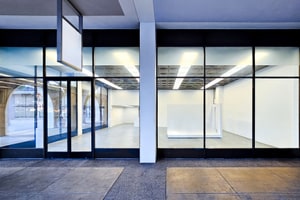
Art Gallery
∙
Northern Waterfront
3,000 sq ft
from $4,200 per day
See on map

Art Gallery
∙
Chinatown
3,029 sq ft
from $488 per day
See on map

Event Space
∙
Financial District
2,000 sq ft
from $9,360 per day
See on map

Warehouse
∙
Chinatown
3,252 sq ft
from $392 per day
See on map

Event Space
∙
Financial District
444 sq ft
from $401 per day
Pop-Up Gallery and Exhibition Space in the Financial District, San Francisco
Why the Financial District works for a pop-up gallery
The Financial District trades on a weekday clock, and that pattern is the reason it works for art. Foot traffic concentrates between Tuesday and Thursday, peaks at lunchtime and draws from the offices above rather than from casual browsers. The audience walking past a ground-floor gallery here is a weekday professional one rather than a weekend crowd. A pop-up gallery in the Financial District reaches that audience at its desk, not on its day off.
For brands and artists looking more broadly, browse art space in San Francisco or start from the Financial District hub page to see every category in the neighborhood.
Jackson Square and the gallery corridor
Jackson Square sits at the northern edge of the Financial District and holds the largest group of commercial buildings that survived the 1906 fire. Its low brick blocks carried the city's antiques and design trade for decades and now house interior showrooms, galleries and a growing number of fashion boutiques. The scale and character are unlike the towers a few blocks south: narrow frontages, exposed brick, high ceilings and natural light. For an exhibition space, the setting does half the work before a single piece is hung.
Montgomery Street is the spine of the district. Its ground floors are banking halls, lobbies and service retail rather than destination shopping, so the retail opportunity here is convenience and workday trade rather than browsing. A temporary gallery on Montgomery reaches the same commuter flow without competing for space with established retail tenants.
What the spaces look like
The Financial District offers two broad types of art gallery exhibition space for rent. Street-level storefronts with window frontage suit shows that need visibility and passing trade. Set-back units inside lobbies or on mezzanine levels suit invitation-only openings, private views and corporate collections where controlled access matters more than foot traffic.
Jackson Square's brick-walled ground floors are the closest thing to a gallery-ready shell in the neighborhood. Elsewhere in the district, the spaces are commercial in origin: clean walls, good lighting circuits, freight access through service entrances. They are not white-cube galleries by default, which is an advantage for anyone building a branded environment from scratch.
The weekday audience and corporate activations
Because so many technology companies are headquartered in or near the city, San Francisco gets a particular kind of temporary exhibition: product launches, brand experiences and activations aimed at press and professionals rather than at passing shoppers. That demand clusters downtown and follows the conference calendar rather than the retail one.
The city receives well over twenty million visitors a year, and the Financial District is the arrival point for most people commuting into the city, with its footfall following those arrival times exactly. A gallery timed to a major conference week reaches an audience that is already in the neighborhood and already spending.
Seasonal rhythm
San Francisco's best weather arrives in September and October, not in summer. The cold ocean fog that sits over the city through June, July and August burns off in early autumn, making September and October the warmest, clearest months. For an outdoor opening, a sidewalk reception or a gallery with an open-frontage concept, early autumn is the window.
Christmas trading builds from mid-November and peaks in the last ten days before 25 December. Downtown fills earlier than the neighborhood corridors, driven by visitors and office gatherings, and an art pop-up timed to that wave catches a crowd already spending. June is Pride month and a significant commercial season across the city, with brand activations concentrating in the final week.
Getting to the Financial District
The Financial District is one of the best-connected parts of the city. Embarcadero and Montgomery stations sit on both the BART regional rail network and the Muni Metro subway, and the California Street cable car runs east to west through the middle of the district. The Ferry Building at the foot of Market Street receives ferries from across the bay, delivering weekend visitors as well as weekday commuters, and the Salesforce Transit Center handles regional bus services from Marin and the East Bay.
For a visiting artist or a brand shipping work into the city, the districts immediately to the south and east, including SoMa and Mission Bay, sit on flat ground near freeway access, which makes loading and delivery straightforward compared with the hillside neighborhoods further west.
Nearby neighborhoods for art
The Financial District is not the only option. The Mission District has a resident artist community and gallery culture rooted in decades of independent practice. SoMa sits directly south and carries larger warehouse-format spaces suited to installation work. Lower Haight offers smaller, street-facing units in a quieter residential setting. Each draws a different crowd and prices accordingly.
For a wider view of what is available across the city, see San Francisco or read how Ori used a pop-up store in San Francisco to showcase robotic furniture.
FAQ
What kind of exhibition space is available in the Financial District?
Street-level storefronts with window frontage, set-back commercial units inside office lobbies, and the brick-walled ground floors of Jackson Square's historic buildings. The range runs from raw commercial shells suited to a full build-out to finished spaces with gallery-grade lighting and clean walls.
When is the best time to book a pop-up gallery here?
September and October offer the clearest weather and the strongest weekday foot traffic. Weeks coinciding with major conferences at the Moscone Center bring additional visitors downtown. The holiday season from mid-November through December is the other peak, with office gatherings and visitor spending concentrated in the district.
How does the Financial District audience differ from other San Francisco neighborhoods?
The crowd here is professional and weekday-heavy: finance, technology and professional-services workers rather than weekend browsers. That makes it a stronger setting for corporate art activations, private views and brand partnerships than for casual gallery walk-ins.
Is the Financial District accessible for loading and installation?
Vehicle access and deliveries are more straightforward here than in the hillside neighborhoods further west. Most commercial corridors have timed loading zones, so confirming the arrangement before booking is worth doing.
Can I rent a temporary gallery for just a few days?
Yes. Spaces in the Financial District can be rented from a single day to several weeks or longer. Shorter bookings work well for exhibition openings, product launches and conference-week activations. Longer bookings suit touring shows and seasonal exhibitions.


