Why East Village for events
East Village draws event planners for its combination of affordability, cultural identity and reliable foot traffic. The neighborhood's economy runs on bars, restaurants and independent retail along the numbered streets and avenues, with a strong evening and late-night presence. That energy attracts young audiences and creates built-in footfall for launches, performances and product showcases, especially on Friday and Saturday nights and through the week after dark.
The neighborhood sits on the edge of a major university population and is served by the First Avenue, Second Avenue, Third Avenue, 14th Street–Union Square and Astor Place subway stations, which means event guests and participants can reach a space here from across Manhattan on a twenty-four-hour subway network. The late-night subway access is genuinely unusual and matters for events that run into the evening: attendees do not need to plan a last departure or arrange their own transport home.
Avenue A and the numbered cross-streets, particularly East 7th and East 9th, concentrate small independent retail and vintage shops in single-room ground floors half a level up or down from the sidewalk. These units are often available short-term and rent below comparable spaces in the Lower East Side and West Village. Ground-floor availability is comparatively good for downtown Manhattan, and the neighborhood's low tolerance for corporate polish makes it suit young, experimental and artist-led events.
Space types in East Village
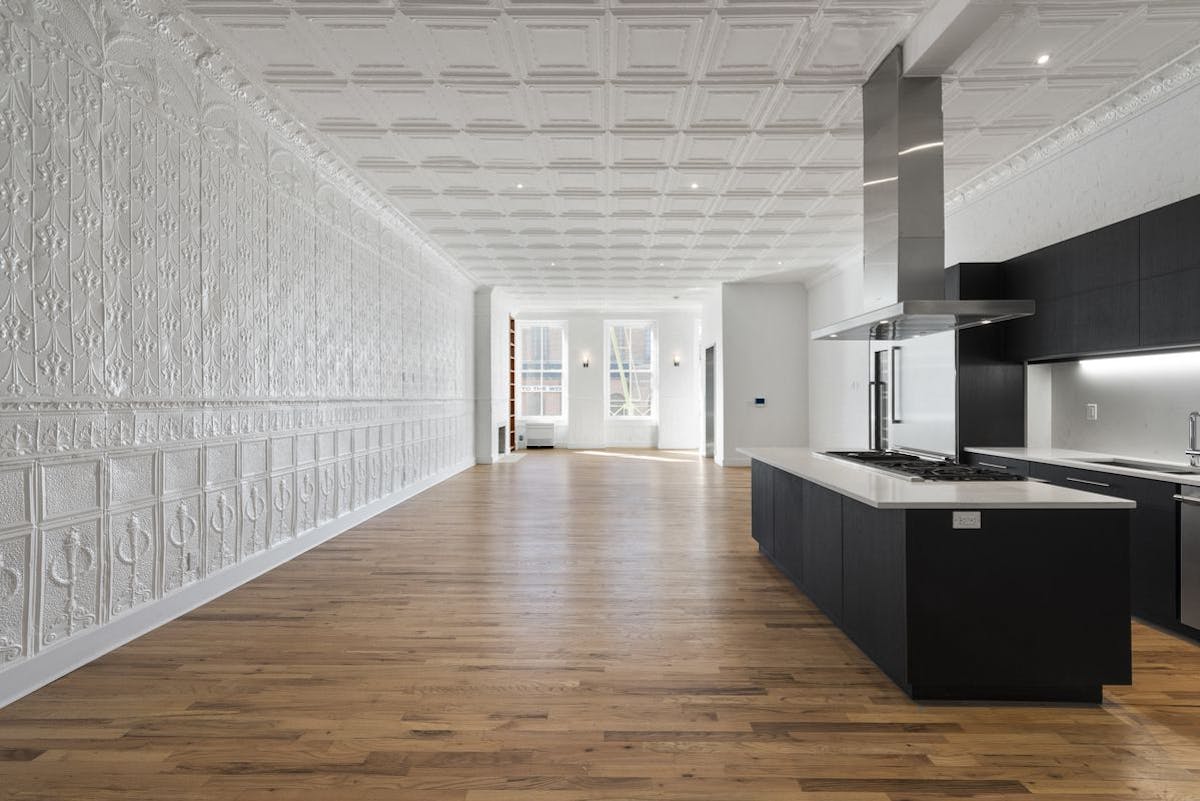
Artist Lofts, Tall-ceiling rooms in converted tenement or small warehouse buildings, often with exposed brick, wood floors and natural light. These suit product launches, artist talks, DJ sets and intimate performances. Typical footprint 800–1,500 sq ft.
Gallery Spaces, White-wall rooms with professional lighting and clean floors, designed for installation and exhibition work. Common in artist-heavy blocks like East 7th and East 9th, where they double as community event rooms. Typical footprint 600–1,200 sq ft.
Performance Venues, Rooms with basic stage infrastructure or acoustic treatment, suited to live music, theater rehearsals and spoken-word events. East Village's dense bar and music venue clustering means some landlords have experience hosting events and understand load-in requirements. Typical footprint 1,000–2,500 sq ft.
Rooftop and Outdoor, A smaller subset of East Village spaces offer rooftop or garden access, constrained by the neighborhood's tenement-based architecture but available on a seasonal basis. These suit summer gatherings, market activations and day-of events, though nighttime outdoor seating is restricted by the city's revocable consent calendar (May through November only).
Pricing and seasonal variation
East Village rents are lower than SoHo, Chelsea and the Garment District but higher than neighborhoods further east or downtown. Affordability relative to foot traffic and cultural cache is the trade-off. Rates vary by square footage, location within the neighborhood (Avenue A and the main cross-streets command higher daily rates than mid-block side streets), and day of the week. The neighborhood's evening economy means weeknight rates are typically lower than Friday and Saturday, and availability is best when the rest of Manhattan is quiet, late summer and the weeks after the December holidays.
Minimum bookings run from one day upward, and many landlords accept week-long and monthly arrangements. Factors that influence the final rate include whether the space includes tables, chairs, sound equipment, kitchen access or parking; whether the landlord permits alcohol service (which requires separate licensing through New York State); and what permit and insurance requirements apply to the planned event.
What to budget for beyond the rental rate
The rental rate is the floor, not the ceiling. Event planners should budget separately for:
-
Insurance. Most landlords require a certificate of liability insurance naming the space owner. Short-term event insurance is available through brokers and typically costs a few hundred dollars depending on headcount and event type.
-
Permits and licensing. If the event serves food, alcohol, or gathers as a public assembly (rather than a ticketed or private invitation), it may trigger city permits. Alcohol licensing runs through New York State and carries its own lead time and cost. Anything using the street (signage, queue barriers, outdoor seating) requires a separate street activity permit.
-
Load-in and logistics. Commercial loading is restricted by time windows on most Manhattan blocks, and commercial vehicles must stay on designated truck routes. Fit-out, setup and load-out take longer than they would in a standalone building with a private entrance and loading dock. If the space is accessed through a residential hallway or shared entrance, load-in coordination with the building is essential.
-
Staffing and catering. East Village spaces are typically unfurnished and unstaffed. Event planners commonly bring their own sound, lighting, furniture rental, catering or bar service.
FAQ
How far in advance should I book an East Village event space?
For peak times (September, October, February, and the run-up to Christmas), book 4–8 weeks ahead. For quieter periods (late summer and early January), spaces may be available with shorter notice, and rates are more negotiable. Weeknight events often book with less competition than weekends, so availability is better and prices lower.
What's the difference between an East Village loft and a gallery space?
Lofts typically have raw, industrial character, exposed brick, high ceilings, column-free floors, and suit product launches, DJ sets and casual gatherings. Galleries are finished with white walls, professional lighting and climate control, and are designed for visual art and formal presentations. Lofts feel urban and authentic; galleries feel curated. The choice depends on whether the event benefits from edge or polish.
Can I negotiate the rental rate?
Yes, especially for longer bookings, off-peak dates, or if you commit early. Landlords prefer predictable tenancy over maximum daily rate, so a week-long booking or a shoulder-season date often yields a better rate than a single Saturday night. Weeknight events typically negotiate down further.
Are there hidden costs I should know about?
The rental rate covers the space. Insurance, permits, catering, sound and lighting, furniture rental, and load-in logistics are typically separate. Ask the space owner directly what is included (tables, chairs, kitchen, restrooms, climate control, parking) and what requires outside vendors.
Does East Village work for corporate events or just artist-led events?
East Village suits both. The neighborhood's character appeals to brands seeking authenticity and emerging audiences, but it has a low tolerance for anything that reads purely corporate. Brands that lean into the neighborhood's identity, music, art, independent retail, nightlife, thrive. Formal sit-down dinners and black-tie galas land better elsewhere.
What's the best time of year to book cheap event space in East Village?
Late August and early January are the quietest and most negotiable. Demand peaks around New York Fashion Week (February and September), through the December holidays, and during spring sample-sale season. The cheapest rates and widest selection happen when the rest of the city is slow.
Explore more: Event Space Rental · event space in New York