How to Find Cheap Space in San Francisco
San Francisco's retail floor plan is split between downtown, which runs on weekday office traffic and conventions, and the neighborhood corridors, which run on residents and weekend visitors. The cheapest spaces sit in the neighborhood tier: SoMa, the Mission, Bayview, the Lower Haight and the outer neighborhoods carry ground-floor retail at lower rates than the same square footage in Union Square or on Hayes Street.
What Counts as Cheap
In San Francisco, 'cheap' is relative to the neighborhood. A ground-floor unit in a Victorian building on Valencia or Hayes is narrower and smaller than a warehouse unit in SoMa, so the rent-per-square-foot can look similar even when the day rate feels different. Budget-conscious renters often trade size or finish for location on a neighborhood shopping street, or trade location for size in an industrial area. Ask yourself what matters most: foot traffic, square footage, or a specific address.
Where Supply Is Strongest
SoMa holds the city's largest floorplate spaces. Brick and concrete warehouses with high ceilings, roll-up doors and street-level loading sit here and almost nowhere else, which is why a launch, a showroom or an event needing clear span usually ends up in SoMa. The Mission District carries the densest independent retail corridor and the warmest, sunniest microclimate in the city. It trades as two parallel streets a block apart, Mission and Valencia, each with different character: Mission Street is the working commercial spine with BART access; Valencia is the browsing corridor lined with independent fashion, design and vintage stores. Bayview and the outer neighborhoods carry the lowest rents and a more residential trade.
Neighborhoods Worth Considering
Each San Francisco neighborhood trades differently, so the same rental price can mean very different footfall and customer profile.
-
SoMa (warehouses, large events, production): Biggest floorplate, loading access, industrial character. Moscone Center drive means convention week demand spikes.
-
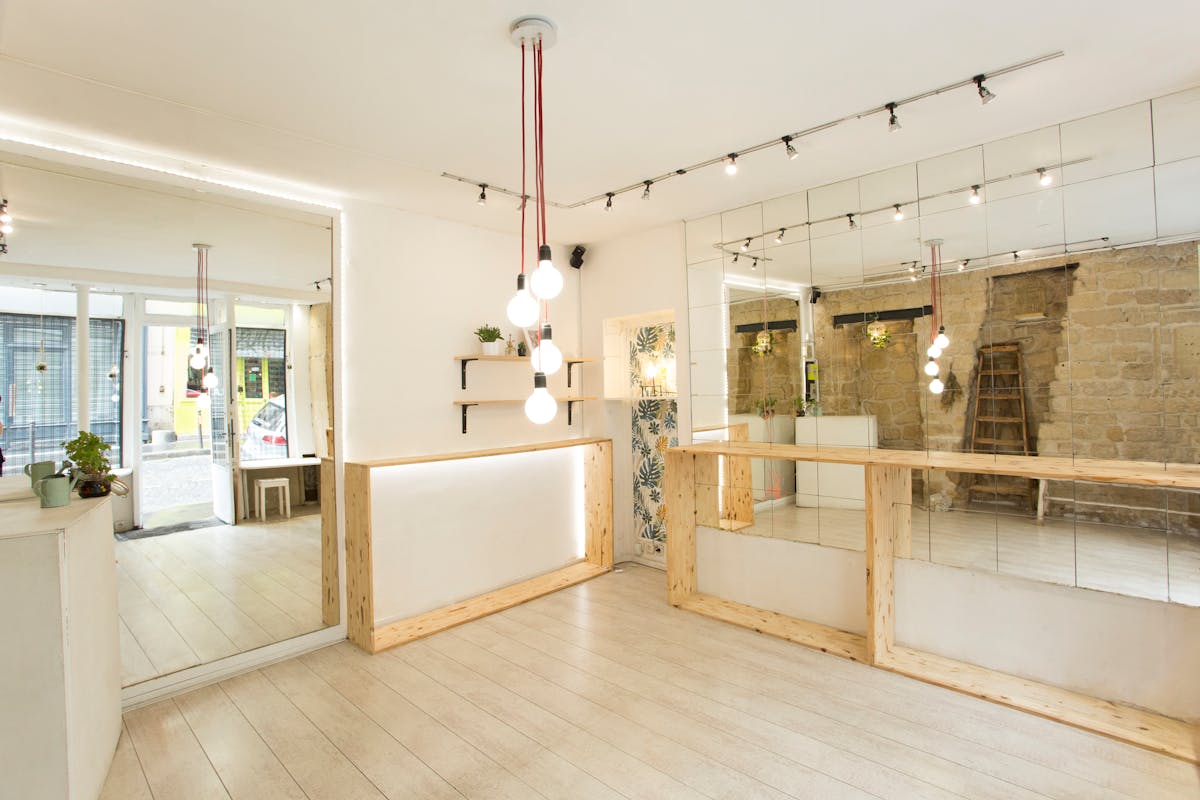
Mission District (retail, pop-ups, galleries): Warmest microclimate, highest foot traffic on Valencia and Mission Streets, BART access. Small Victorian storefronts suit single-brand pop-ups.
-
Lower Haight (independent retail, studios, bars): Five or so blocks of neighborhood-serving shops and studios. Rents lower than Hayes Valley a few blocks east. Divisadero runs north from here toward Alamo Square.
-
Bayview (production, events, installations): Southeast corner of the city, industrial zoning, largest available spaces outside SoMa, lowest rents. Freeway and waterfront access for deliveries.
-
Hayes Valley (design, fashion, independents): Tight chain-store controls mean tenant approval process is longer than other corridors, but the street carries among the most concentrated independent fashion and design retail in the city.
Seasonal Pricing and Demand
San Francisco has two distinct retail seasons. Downtown, meaning Union Square and the Financial District, peaks on weekdays and during the convention calendar. Neighborhood corridors peak on weekends and during resident-driven seasons: June (Pride month), the winter holidays, Lunar New Year in late January or February, and early autumn when the weather is warmest. Availability is tightest in those windows, so rates tend to hold or rise. Off-peak windows in August, January before Lunar New Year, and September can offer better rates, particularly on neighborhood streets.
Summer fog sits heaviest over the western and coastal neighborhoods and burns off inland, so the Mission stays warm and clear while the Richmond and the Sunset are cold and grey. Anything outdoors or sidewalk-facing between June and August should account for which side of the hills it sits on.
How to Negotiate
San Francisco landlords on neighborhood shopping streets will consider a short lease because the city taxes them for leaving a storefront empty. The Commercial Vacancy Tax applies to ground-floor commercial space next to a public right-of-way in the city's named neighborhood commercial districts and is triggered by more than 182 days of vacancy in a year. A short-term tenant filling that gap, even at a lower rate, can be preferable to the tax bill.
Landlords also value tenants who commit to a longer minimum or who book off-peak windows. A three-month pop-up in September may get better terms than a one-week booking in December. Planning ahead gives you leverage.
Permits and Temporary Use
Pop-up retail is a named use in the San Francisco Planning Code. A Temporary Use Authorization from the Planning Department covers Pop-Up Retail, which includes retail, arts activity and entertainment uses, for up to three years. It is available in all zoning districts except residential ones, and the space has to be either a vacant commercial space or a space already carrying a legally established commercial use.
The Planning Department's temporary use approval carries standard conditions: no alcohol service and no operating past 10pm, and no more than one pop-up retail authorization within a six-month period. A late-night or drinks-led format needs a different route.
Formula retail, meaning a brand at eleven or more locations worldwide with standardized features such as merchandise, facade or signage, cannot use the pop-up route in a Neighborhood Commercial District. The downtown commercial districts, which are not Neighborhood Commercial Districts, remain available for larger brands.
Booking Lead Time
For a straightforward change of use on a neighborhood commercial street, expect two to four weeks from application to approval under the streamlined process approved by San Francisco voters in 2020 and extended to downtown and SoMa. A neighborhood notification period is mandatory on many applications, and an objection can extend the timeline, so planning ahead is worth it.
FAQ
What is the minimum booking period for cheap space in San Francisco?
Most landlords accept one day minimum and many offer better day rates for weekly or monthly commitments. Pop-up retail authorization allows up to three years, so duration from one day to several months is possible depending on the space and landlord agreement.
Can I serve alcohol at a pop-up in San Francisco?
Serving alcohol at a temporary retail event is a state question, not a city one. California's daily licenses are issued to non-profit and qualified organizations for fundraising, so a commercial pop-up cannot use one. The workable routes are hiring a licensed caterer who brings their own permission, or taking a space that already holds its own license.
Do I need separate permits for the space and the business?
Yes. Selling anything in San Francisco means a city business registration certificate from the Treasurer and Tax Collector and a California seller's permit from the Department of Tax and Fee Administration, both separate from any planning approval for the space itself. A short-term tenant needs all three tracks running at once rather than in sequence.
Which neighborhoods have the most affordable ground-floor retail?
Bayview and the outer neighborhoods carry the lowest rents per square foot. The Lower Haight sits below Hayes Valley and the core Mission on price. SoMa's warehouse space, despite large floorplate, can compete on daily rate because the cost per square foot is lower than a small Victorian storefront on Valencia.
How far in advance should I book cheap space?
Peak seasons (June, December, Lunar New Year, early autumn) fill weeks or months ahead. Off-peak windows in August, January before Lunar New Year, and September can offer availability and better rates on shorter notice. Booking six to eight weeks ahead gives you choice and negotiating position; booking three weeks ahead is often still workable on neighborhood streets.
What makes San Francisco space 'cheap' compared with other cities?
San Francisco's retail space outside the downtown core is small by design: Victorian and Edwardian buildings with ground floors built as single shops produce narrow frontages and modest floor areas rather than the large flexible boxes found in newer cities. That small format suits a single-brand pop-up and keeps per-day rates lower than a warehouse-scale space would be in the same city. However, the cost per square foot on a prime neighborhood shopping street can rival downtown because the foot traffic is that strong.
Explore more: Mall Booth Kiosk Corner Rental · San Francisco