Why Cheap Space in Toronto Works for a Pop-Up
Toronto is Canada's largest city and its financial capital, with a consumer market unlike any other in the country. Roughly half the city's residents were born outside Canada, so there is no single default customer. A cheap space rental here puts a brand in front of one of the most diverse audiences in North America without the cost of a prime corner unit.
The city is organized around long commercial main streets that follow old streetcar routes. The character of a street changes completely within a few blocks, which means affordable space often sits just a short walk from the most expensive stretch. A side street a few doors off the main run keeps much of the passing trade while asking materially less.
Several central main streets carry visible retail vacancy, and that is leverage for a budget-conscious renter: available space and motivated landlords.
What Counts as Cheap Space in Toronto
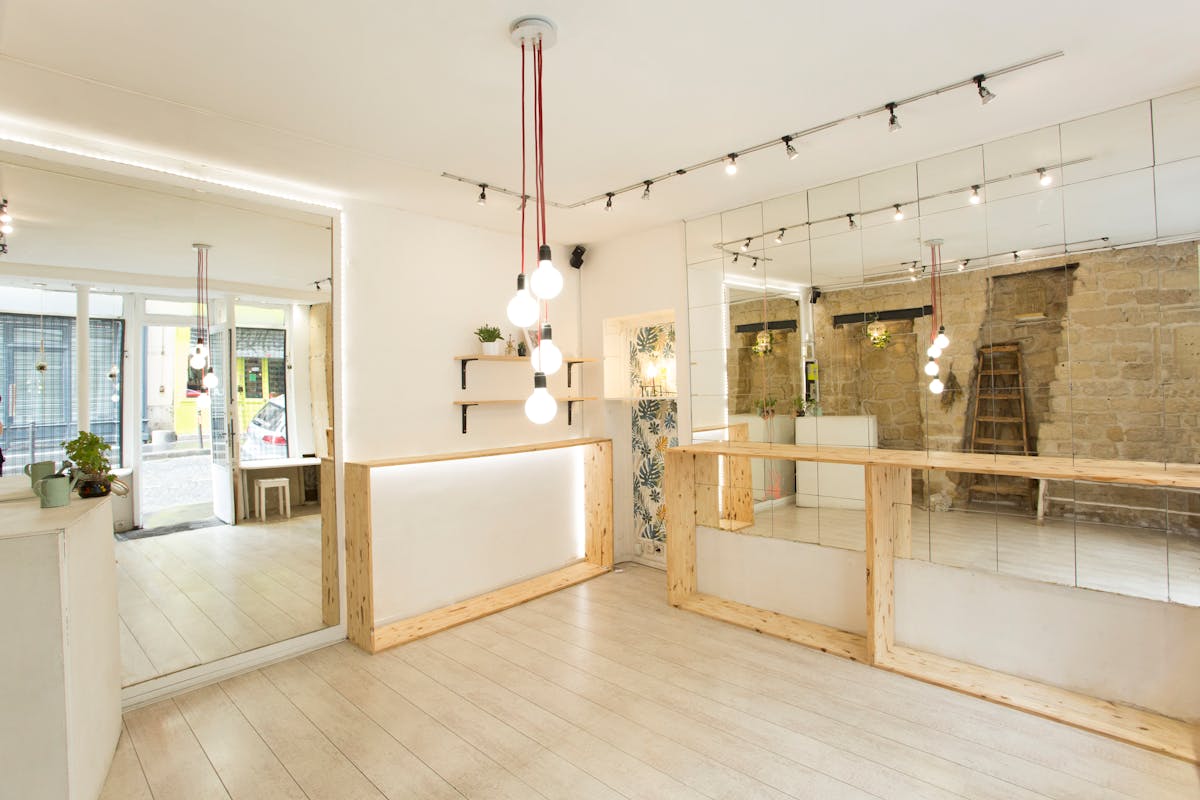
Cheap space in Toronto covers a wide range of formats. A small ground-floor unit on a quieter block suits a pop-up shop or a compact showroom. A basement or first-floor space in the same building as a street-level storefront costs less while keeping the address. A raw, unfurnished unit works for a brand bringing its own build and wanting to keep the rate down.
Budget space is not discounted space. It is the right size, the right floor and the right street for the money. A smaller footprint in a strong location often outperforms a larger one in the wrong place, and it costs less to fit out, staff and run.
How to Spend Less on a Toronto Space Rental
The real levers are timing, duration and flexibility:
-
Timing. Off-peak months and midweek dates ask less than peak season and weekends. Avoiding weeks around the film festival in September or the Christmas market in the Distillery District keeps costs down.
-
Duration. A longer booking usually earns a better daily rate. Hosts price continuity, so a two-week run is cheaper per day than a single weekend.
-
Size and floor. Ground floor with a street-facing window commands the most. Upper floors and basements in the same building ask less. If the brand does not need a window, the saving is real.
-
Fit-out. A finished, furnished space costs more than a raw one. If the brand is bringing its own build, the raw space is the better buy.
-
Flexibility. Being open on dates, or able to take a space at short notice when a host has a gap, is the single biggest lever a renter controls.
Deposits, insurance and cleaning terms are agreed directly with each space owner and vary from listing to listing.
Affordable Space for Every Use Case
A budget space in Toronto is not limited to one format. The same price tier covers several use cases:
-
Pop-up retail. A small storefront on a secondary block works for a product launch, a seasonal collection or a brand testing the Canadian market. Browse all pop-up store rental options to see what is available.
-
Showrooms and galleries. A compact, well-lit room suits a showroom, a sample sale or a small exhibition. Raw walls and concrete floors read as intentional in this market.
-
Food pop-ups. A space with the right infrastructure lets a chef or food brand run a short residency. Toronto's dining promotions in winter and summer bring a citywide audience to the table.
-
Events and activations. A stripped-back venue for a brand event, a press preview or a product drop keeps production costs low. The city's large advertising, media and design sector provides the professional creative audience a brand activation is usually trying to reach.
For a wider view of what is available across the city, explore all spaces in Toronto or look at cheap commercial property in Toronto for longer-term options.
Toronto Neighbourhoods Where Budget Space Clusters
Toronto's commercial strips vary street by street, and affordable space tends to sit just off the busiest stretches. The city's business improvement areas are the fastest route into a street and into local goodwill, and most commercial strips have one.
A brand that does not need to be on the prime block of a main street will find that moving a few doors in either direction, or crossing to a parallel street, changes the rate without losing the area's audience. Consider a mall booth, kiosk or corner rental as an alternative format that keeps costs contained while placing the brand inside an existing flow of customers.
FAQ
What counts as cheap space for rent in Toronto?
Cheap space covers any short-term rental where the rate falls below the prime-street average. That usually means a smaller unit, a non-ground-floor space, a secondary block or a booking outside peak season. Rates vary by size, location and timing, so the cheapest option depends on what the brand needs and when it needs it.
Does booking off-peak lower the cost of a space hire in Toronto?
Yes. Off-peak months and midweek dates typically ask less than weekends and peak periods such as the film festival in September or the Christmas season. Hosts set their own rates, so asking directly about quieter dates is the most reliable way to find a lower price.
How far ahead should I book a budget space in Toronto?
For peak periods, booking several weeks or months ahead secures more choice. For off-peak dates, shorter notice is often possible and can work in the renter's favour: a host with an open gap may offer a better rate to fill it.
Are there hidden fees when renting cheap space in Toronto?
Deposits, insurance, cleaning and any extras are agreed directly with each space owner before the booking is confirmed. There is no single rule across listings, so the listing details and a conversation with the host are where to confirm the total cost.
Can I rent a small space in Toronto for just one day?
Many spaces in Toronto accept single-day bookings. A longer booking usually earns a better daily rate, but a one-day activation or a weekend pop-up is a standard format and widely available at the budget end of the market.