


Finding the right event space with kitchen for rent in New York means matching your kitchen tier to your event format, not simply filtering by neighborhood. The city holds a wide range of kitchen-equipped venues, from full commercial setups built for high-volume catering to open demonstration kitchens designed for audience-facing cooking. This guide maps each kitchen type to the events it suits, covers realistic pricing, and flags what to confirm before booking.
Kitchen Types at a Glance
Not every kitchen-equipped venue in New York is the same. The three main tiers determine which events each space can support.
-
Full commercial kitchen: Gas burners, convection ovens, commercial-grade prep tables, hood ventilation systems, and walk-in refrigeration. Suited to high-volume catering, multi-course chef-led pop-ups, and brand activations with live cooking. These spaces require licensed food handling and meet New York City Department of Health standards for temporary food service events.
-
Semi-commercial kitchen: Partial commercial equipment, typically induction or electric ranges, prep surfaces, and standard refrigeration without full hood systems. Suited to private dinners, plating and finishing, and tasting events where heavy cooking is not required.
-
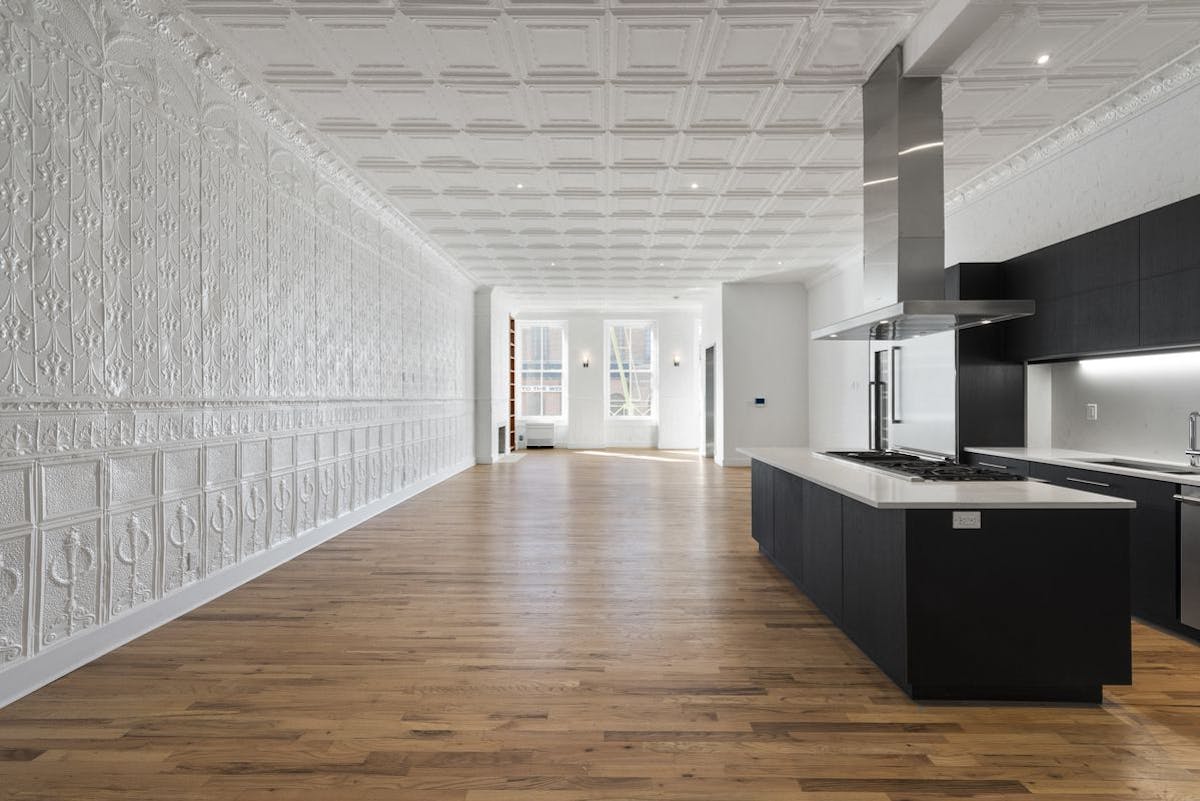
Demonstration kitchen: Open layout with an island or counter facing the audience. Designed for content production, cooking classes, and branded experiences where the cooking is the show. Equipment varies widely; confirm what is included and whether the layout supports cameras or lighting rigs if content creation is part of the plan.
Always ask the host to confirm the kitchen tier, hood certification status, and whether the space holds the permits needed for your event format. Serving food to the public, even as sampling, requires a temporary food service establishment permit in New York and a certified food protection supervisor on site.
Typical Uses and What Each Needs
Kitchen-equipped event space rental in New York draws a specific kind of organizer: one where food is the program, not a catering line on the side.
-
Private dinners and seated meals: Semi-commercial kitchens work well here. The priority is plating workflow and service timing rather than raw cooking capacity. SoHo and Tribeca loft spaces, with their wide floorplates and high ceilings, give chefs and servers room to move without the kitchen dominating the room.
-
Chef-led pop-ups: These need full commercial kitchens. SoHo and Tribeca industrial spaces offer the equipment and the open layouts that support live cooking in front of guests. The area's association with design and food culture also attracts the audience these formats require.
-
Brand activations with food or beverage components: The kitchen is secondary; the production value is primary. Chelsea gallery buildings, with their column-free floors and large footprints, suit activations where food is one station among several. Confirm hood capacity if live cooking is planned.
-
Cooking demonstrations and content production: Demonstration kitchens in the Lower East Side and East Village, where venues have adapted to independent, food-forward formats, often come with flexible layouts and fewer restrictions on external equipment like lighting and camera mounts. Confirm in advance.
Neighborhoods for Kitchen-Equipped Events in New York
Kitchen-equipped venues are distributed across New York, and the right neighborhood depends on your audience, event tone, and kitchen requirements.
-
SoHo and Tribeca: The loft buildings here were built for manufacturing and converted to event and retail use over decades. That history gives them the large column-free floors, freight access, and ceiling heights that full commercial kitchens need. Tribeca's residential and affluent character suits private and invitation-only formats; SoHo's high foot traffic suits activations with a walk-in component.
-
Chelsea: The center of New York's contemporary gallery scene, concentrated in the West 20s. Gallery buildings offer large open floors suited to brand activations and corporate events. Kitchen specs vary more here than in the loft districts, so confirm equipment detail early.
-
Lower East Side and East Village: The highest concentration of small independent storefronts in downtown Manhattan, with a dense bar and food scene that creates strong evening footfall. These neighborhoods suit intimate, food-forward formats and chef-led events at a smaller scale. The evening energy of both districts works in favor of late-running tasting events.
-
Chinatown and Little Italy: Venues in these districts sit inside an established restaurant supply and hospitality infrastructure. That proximity to food-trade suppliers is practical for multi-course events. Both areas carry a strong culinary identity that works well for food-centered programming.
-
Financial District and Harlem: The Financial District has a large weekday office population and suits corporate private dining. Harlem's wide commercial corridor on 125th Street and its strong neighborhood identity suit community-facing food events and brand activations with a local audience.
For a broader comparison of available neighborhoods, Soho is a useful starting point for premium kitchen-equipped formats.
Pricing for Event Space with Kitchen in New York
Event spaces with kitchen in New York typically rent from $1,200 to $2,500 per day, or from $5,000 to $10,000 per week, for spaces in the lower half of the market. Full commercial kitchens in central Manhattan neighborhoods and venues with higher kitchen specifications sit toward the top of that range or above it. Monthly rentals, for brands running an extended pop-up or residency, start from around $15,000.
Final rates depend on duration, exclusivity, and event timing. Pricing shown reflects typical asking ranges for spaces in the area; final booking terms are negotiated directly with the host.
What to Confirm Before Booking
Kitchen-equipped venues have more operational variables than standard event spaces. Work through these before committing.
-
Gas or electric: Gas is essential for certain cooking formats; not all venues have it. Confirm fuel type and burner count.
-
Hood certification: A commercial hood is required for events involving open-flame or high-heat cooking. Ask whether the hood has current certification.
-
Dishware, cookware, and linens: Some venues include these; many do not. Clarify what is provided and what you need to source.
-
Overnight food storage: If your event runs across two days or requires advance prep, confirm whether refrigerated overnight storage is available and included.
-
Utilities: Ask whether gas and electricity are included in the daily rate or metered separately.
-
Noise and hours: Many Manhattan spaces have building-level noise restrictions. Confirm event end time and whether sound equipment is permitted.
-
Insurance: New York's certificate of occupancy governs how a space may be used and how many people it may hold. Once an event gathers a crowd, it may require a place of assembly certificate with Fire Department approval. Ask whether the venue holds the correct permits for your event type, and check whether your own liability coverage is required.
-
Cleanup and reset: Confirm who is responsible for post-event kitchen cleaning and whether there is a cleaning fee.
FAQ
What is an event space with a kitchen in New York?
An event space with kitchen is a venue that combines a dedicated event area with on-site cooking facilities, ranging from full commercial kitchens with gas, ovens, and hood ventilation to semi-commercial setups suited to plating and light prep. The kitchen tier determines which event formats the space can support.
Can I bring my own chef or caterer to an event space with kitchen rental in New York?
Most kitchen-equipped venues in New York allow external chefs and caterers. Confirm kitchen access times, whether the host requires caterers to carry their own insurance, and whether a cleanup fee applies. Serving food to the public requires a temporary food service establishment permit from the New York City Department of Health.
How much does an event space with kitchen for rent in New York cost?
Spaces in the lower half of the New York market typically run from $1,200 to $2,500 per day or $5,000 to $10,000 per week. Full commercial kitchens in central neighborhoods and high-specification venues sit at the higher end or above it. Final rates are agreed directly with the host.
How long can I rent an event space with a kitchen?
Most kitchen-equipped venues are available by the evening, day, or multi-day block. Weekly and monthly rentals are also available for extended pop-ups or residency formats. Minimum booking periods vary by venue.
Do I need a permit to serve food at a kitchen-equipped event space in New York?
Yes. Serving food to guests at an event, including sampling, typically requires a temporary food service establishment permit from the New York City Department of Health, and a certified food protection supervisor must be present. If alcohol is involved, a separate permit runs through the New York State Liquor Authority on its own timeline. Build permit lead times into your planning.
What neighborhoods have the best event spaces with kitchen access in New York?
SoHo, Tribeca, and Chelsea offer the largest full commercial kitchen setups, suited to high-volume and production-led events. The Lower East Side and East Village carry strong evening footfall and suit smaller, food-forward formats. Chinatown and Little Italy sit inside an established restaurant supply network that suits multi-course culinary events.


