

Why rent an event space with a kitchen in Chicago?
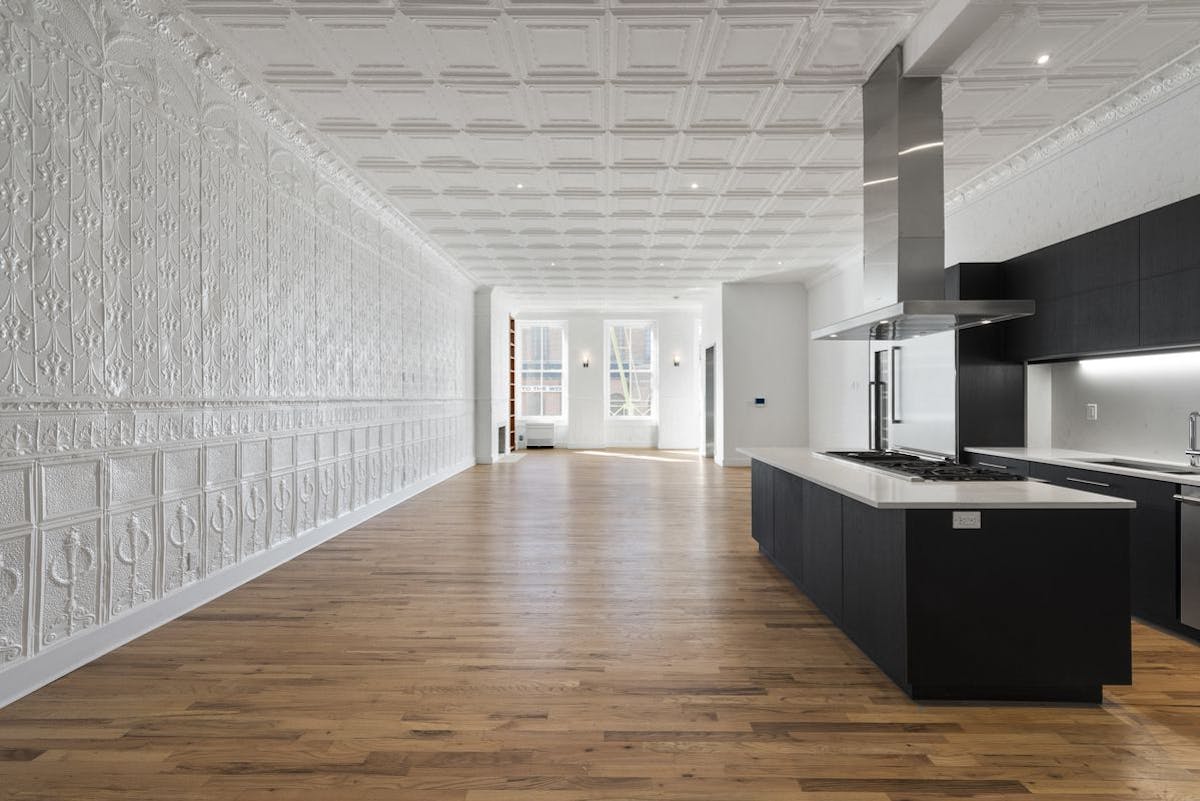
A kitchen transforms an event space from a passive venue into an operational hub. You gain control over meal timing, dietary accommodations, food cost, and brand presentation. For corporate events, in-house kitchens eliminate catering markup and allow real-time menu adjustments. For private dinners and celebrations, they enable personal touch and authentic hospitality. For pop-ups and product launches, they justify premium positioning—guests perceive full-service venues as more professional and curated.
Chicago's event-space kitchens range from restaurant-grade commercial setups to prep-focused galley layouts. The choice depends on your event type and volume.
Event types and kitchen needs in Chicago
Different events demand different kitchen specs. Understanding your needs before searching saves time and prevents booking the wrong space.
-
Corporate meetings and conferences — Require high-volume catering capacity (breakfast, lunch, coffee service for 50–300). Look for spaces in Loop and River North with commercial ranges, large prep counters, and walk-in coolers. Typical duration: 4–8 hours.
-
Private dinners and celebrations — Need plating stations, finishing kitchens, and hot-hold equipment for 20–100 guests. West Loop and Lincoln Park venues often feature chef-ready layouts. Duration: 3–5 hours.
-
Pop-up restaurants and supper clubs — Require fully licensed commercial kitchens with hood systems, pass-throughs, and back-of-house workflow. Pilsen and Ukrainian Village have artist-loft conversions and industrial spaces suited to temporary food service. Duration: 4–6 hours or longer.
-
Cooking classes and food demonstrations — Focus on visible prep and demo stations, often facing an audience. Wicker Park and Bucktown kitchens often emphasize design and sightlines. Duration: 2–4 hours.
-
Catering prep and commercial kitchen rental — Dedicated to food production (no event guests present). These are shorter bookings (2–4 hours) and common in Near West Side industrial zones.
Kitchen specifications in Chicago event spaces
Before booking, confirm the kitchen meets your operational needs. Chicago event spaces typically offer one of three kitchen tiers.
-
Full commercial kitchens — Gas or electric ranges, convection ovens, fryers, griddles, walk-in coolers or freezers, three-compartment sinks, food-prep tables, exhaust hoods. Usually licensed by Chicago Department of Public Health. Found in West Loop, River North, and Near West Side. Premium price but full autonomy for complex menus.
-
Chef-ready kitchens — Ranges, ovens, prep surfaces, standard refrigeration, but limited or no hood system. Suitable for plating, reheating, and assembly rather than high-volume cooking. Common in Lincoln Park and Gold Coast. Mid-range pricing.
-
Prep kitchens — Counters, sink, refrigerator, microwave, minimal cooking equipment. Designed for food assembly, beverage service, or final touches only. Often in loft spaces (Pilsen, Ukrainian Village, Wicker Park). Entry-level pricing but limited for active cooking.
Always verify licensing status if guests will consume prepared food. Chicago requires a food service license for on-site cooking; many venues hold this, some require you to hire a licensed caterer or external prep kitchen.
Pricing for event spaces with kitchens in Chicago
Rental cost depends on duration, location, kitchen tier, and space capacity. Use these anchors to plan your budget.
-
Hourly rates — $200 to $400 per hour, typical for spaces under 3,000 sq ft. Minimum booking often 2–4 hours.
-
Daily rates — $800 to $1,400 per day (8–10 hour window), typical for mid-size spaces (2,000–5,000 sq ft) with commercial kitchens.
-
Weekly rates — $2,000 to $5,500 per week, suitable for multi-day events, pop-ups, or extended prep schedules.
Full commercial kitchens in River North and West Loop command premium rates (top of range). Prep kitchens in Pilsen and Ukrainian Village typically fall to mid or lower range. Premium pricing also applies to spaces in high-demand areas (Loop, Millennium Park proximity) or during peak seasons (spring/summer weekends, holiday season).
Final rates depend on duration, exclusivity, and event timing. Pricing shown reflects typical asking ranges for spaces in the area; final booking terms are negotiated directly with the host.
Prime neighborhoods for event spaces with kitchens in Chicago
Chicago's neighborhoods each offer distinct venue styles and kitchen setups. Choose based on your guest profile, event type, and accessibility priorities.
-
Loop — Downtown's central hub, closest to CTA, Amtrak, and major hotels. Event spaces here emphasize professional atmosphere and high-capacity catering kitchens. Ideal for corporate conferences (100–500+ guests). Median event-space size larger, kitchen tier typically commercial or chef-ready. Premium pricing reflects downtown location.
-
River North — Gallery district with upscale lofts and converted warehouses. Kitchens range from chef-ready to full commercial, often with exposed brick and historic charm. Popular for private dinners, product launches, and destination weddings. Boutique pricing for curated spaces; hotels nearby ease guest logistics.
-
West Loop — Trendy restaurant and art corridor. Event spaces here feature award-winning kitchen designs and food-forward operators. Full commercial kitchens standard. Ideal for pop-ups, supper clubs, and catering-intensive events. Walkable restaurant options and nightlife. Mid to premium pricing.
-
Ukrainian Village — Artist neighborhood with loft conversions and industrial character. Kitchens often prep-focused or mid-tier (chef-ready without full hood). Lower pricing than downtown or River North; appeals to creative events, pop-ups, and alternative gatherings. Emerging food scene nearby.
-
Pilsen — Bohemian enclave with warehouse conversions and artistic lofts. Prep and mid-tier kitchens common; some full commercial spaces used by pop-up chefs and catering collectives. Lower cost entry point; strong community vibe. CTA access (Pink/Red Line) good; parking abundant.
-
Wicker Park — Vibrant neighborhood with small event spaces and DIY ethos. Kitchens typically prep or chef-ready; full commercial less common. Budget-friendly for smaller events (20–75 guests). Neighborhood bar and coffee scene robust; good foot traffic for pop-up draw.
-
Bucktown — Adjacent to Wicker Park, quieter and residential. Event spaces mid-size with prep to chef-ready kitchens. Popular for intimate dinners and small corporate events. Affordable parking and relaxed vibe appeal to casual brand events.
-
Near West Side — Industrial zone with dedicated commercial kitchen rentals (catering prep spaces, ghost kitchens). Full commercial equipment standard. High-volume, transactional bookings common (prep only, no event guests). Lowest hourly rates; ideal for catering businesses or production-heavy pop-ups.
Kitchen checklist: What to ask before booking
Use this guide when evaluating spaces and contacting hosts.
What kitchen equipment is included?
Confirm stove type (gas vs. electric), oven capacity, fryer, griddle, microwave, dishwasher, refrigerator size, freezer, prep tables, sinks (how many, three-compartment?), and small appliances (blender, mixer, food processor). Ask about exhaust hood and ventilation—crucial for any cooking beyond plating.
Is the kitchen licensed for food service?
If your event involves prepared food for paying or invited guests, Chicago Department of Public Health requires a food service license tied to the venue, or you must hire a licensed caterer. Clarify the space's status upfront to avoid last-minute legal issues.
What is included in the rental?
Does the rate cover plates, glassware, utensils, and linens, or do you supply them? Are basic prep supplies (foil, plastic wrap, trash bags) included? Is setup/breakdown time billed separately? Confirm staffing expectations—must you hire your own kitchen staff or does the venue provide support?
What are the cancellation and insurance terms?
Most Storefront spaces offer flexible cancellation; confirm specifics for your booking window. Ask if the space requires event liability insurance (common for 50+ guests) and whether the host can provide coverage or if you must obtain it.
How much prep time is allowed before and after?
Do you have access 30 minutes before guests arrive to set up equipment and 30 minutes after to break down? Extended prep time (1–2 hours) may incur additional fees or require longer booking windows.
What is the parking and loading access?
Event kitchens require supply delivery and staff parking. Confirm street loading zones, parking lots, or nearby garages. Some neighborhoods (Loop, West Loop) charge; others (Pilsen, Ukrainian Village) often free.
How to book an event space with a kitchen in Chicago
Storefront's platform lets you filter by neighborhood, hourly rate, guest capacity, and kitchen type. Book directly with the host—no middleman, transparent pricing, and flexible terms.
-
Filter by your needs. Select event date, guest count, and neighborhood. Choose kitchen tier (full commercial, chef-ready, or prep) and hourly rate range.
-
Review space details and host reviews. Check kitchen photos, equipment list, and cancellation policy. Read past guest feedback on kitchen functionality and host responsiveness.
-
Message the host with your event specifics. Share your event type, menu (if relevant), setup/breakdown time, and any special requests (catering staff on-site, late-night access, equipment rentals). Honest communication prevents booking mismatches.
-
Confirm kitchen licensing and insurance requirements. If you're serving food, verify the space's food service license status and insurance obligations before finalizing.
-
Book and review the rental agreement. Storefront handles payment, escrow, and contract. Review all terms—cancellation window, damages, house rules—before confirming.
FAQ
Can I hire my own caterer in a rented Chicago kitchen?
Yes, but the kitchen must be licensed for food service, or your caterer must carry a valid Chicago food service license. Some venues require proof of liability insurance if an external caterer is on-site. Confirm this with the host before booking to avoid conflicts on event day.
What is the difference between a kitchen-equipped event space and a commercial kitchen rental?
A kitchen-equipped event space is a venue where guests gather; the kitchen is one amenity. A commercial kitchen rental is a dedicated food production space; no guests are present, just staff and equipment. Commercial kitchens are cheaper per hour ($150–$300) but offer no dining or gathering area. Choose kitchen-equipped spaces for events where dining or food presentation is part of the experience; choose commercial kitchens for prep, catering assembly, or pop-up production only.
Do I need a license to cook for an event in Chicago?
If you're preparing food for paying customers or invited guests (outside family), Chicago requires either (a) a food service license tied to the venue, or (b) hiring a licensed caterer. Most rented event spaces in Chicago hold food service licenses; verify this before booking. If the space is not licensed, you must hire an external licensed caterer or apply for a temporary event license through Chicago Department of Public Health.
What happens if I damage kitchen equipment during my rental?
Most hosts require event liability insurance and damage deposits ($200–$500). Minor wear is covered by the deposit; major damage or theft may result in additional charges. Read the rental agreement's damage clause and take photos of the kitchen before your event to document pre-existing condition.
Can I book a Chicago event kitchen for just a few hours?
Yes. Most spaces have a 2–4 hour minimum booking window. Hourly rates ($200–$400) apply to shorter rentals; daily rates are better value for 6+ hours. Book a few hours ahead to allow 30 minutes setup and 30 minutes breakdown.
Which Chicago neighborhoods have the most affordable event kitchens?
Pilsen, Ukrainian Village, and Near West Side offer the lowest hourly and daily rates ($150–$300 hourly, $600–$1000 daily) due to industrial or transitional character. West Loop and River North command premium rates ($300–$500 hourly, $1200–$1800 daily) for design and restaurant-adjacent appeal. Loop sits mid-range ($250–$400 hourly, $1000–$1500 daily) for professional downtown presence.
Can I rent a Chicago kitchen for a pop-up restaurant or supper club?
Yes, and this is common in Pilsen, Ukrainian Village, and West Loop. You must confirm the space holds a food service license (or hire a licensed caterer), carry liability insurance, and comply with Chicago Department of Public Health regulations on guest count, food handling, and waste. Some hosts specialize in pop-up bookings; filter for 'commercial kitchen' or message hosts directly about multi-hour, food-service-focused rentals.
What's the best way to search for an event space with a kitchen in Chicago?
Start with Storefront's filters: select your neighborhood, date, guest count, and kitchen type. Browse the top Cheap Commercial Property Chicago and Cheap Retail Space Chicago for budget-conscious options in the same city. For broader options across Chicago neighborhoods, explore our Chicago search hub, or drill into specific neighborhoods like River North.


