Why Châtelet-Les Halles for Large Commercial Space
Châtelet-Les Halles is the main interchange hub in Paris and the busiest part of the center. The 1st Arrondissement of Paris splits in two commercially: the western half, around Place Vendôme and Rue Saint-Honoré, is dominated by luxury retail, while the eastern half around the Forum des Halles and Rue de Rivoli is more mainstream and chain-led. Retail here is footfall-driven, fed by commuter and tourist traffic that runs through the district throughout the week.
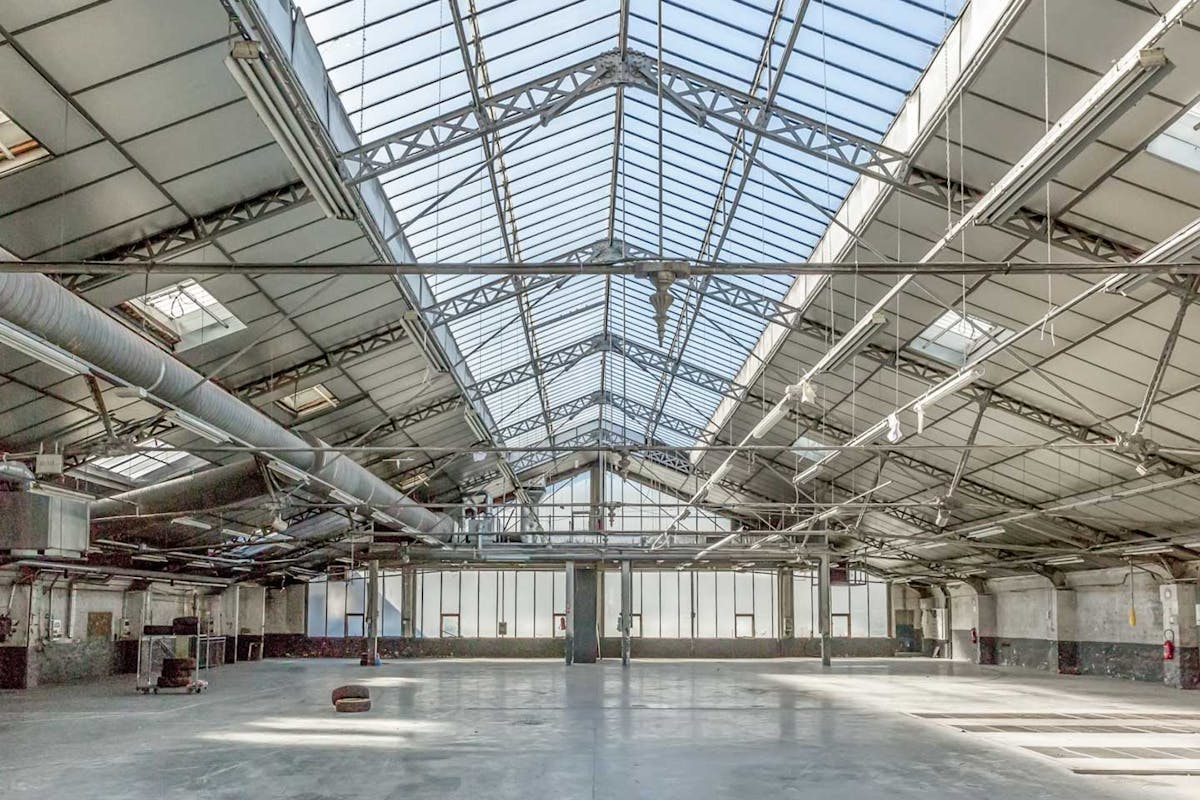
For brands that need room, the large format makes sense in this setting. A flagship activation, a seasonal pop-up with a full product range, or a multi-brand presentation all benefit from the sheer volume of people passing through.
What Large Space Opens Up
A large commercial unit in this district suits uses that a smaller footprint cannot support:
-
Flagship pop-up shops with full visual merchandising and dedicated fitting areas
-
Product launches that need reception space, display and back-of-house in one unit
-
Multi-brand retail activations running across several weeks
-
Showroom presentations during Paris Fashion Week, when the Marais and Right Bank gallery districts see concentrated buyer activity
The Le Marais sits immediately east, and the 2nd Arrondissement of Paris to the north holds the historic Sentier garment district with its showroom and wholesale trade. Châtelet-Les Halles connects the two, and a large unit here puts a brand on the axis between them.
Neighboring Districts Worth Considering
The 1st arrondissement borders several districts with distinct commercial characters. The 4th Arrondissement of Paris covers the southern Marais, where independent fashion boutiques and galleries cluster along streets like Rue des Rosiers and Rue Vieille du Temple. Across the river, the 7th Arrondissement of Paris is residential and institutional, with retail concentrated around Le Bon Marché at the upper end of the market.
For brands looking at cheap Paris options or exploring the broader Paris market, the 1st arrondissement sits at the premium end. Rates here reflect the location and the foot traffic, not the building alone.
Pricing for Large Commercial Space in Paris
Longer bookings tend to cost less per day, because a host carries no empty days between consecutive bookings and values the continuity.
Timing and Demand
Demand for short-term space in Paris peaks around the fashion weeks and again in the run-up to Christmas. Trade thins through August as independent retail closes for the summer. Booking ahead of these peaks gives a wider choice of large units, which are the first to fill.
The Le Marais Pop-Up Shops and Showrooms Guide covers the streets and rhythms of the area immediately east of Châtelet-Les Halles, which is useful context when deciding between districts.
FAQ
What is typically included in a large commercial space rental?
Inclusions vary by listing. Some spaces come furnished, others are raw shells. Utilities, wifi, cleaning and furniture are set by each host and stated on the listing page. Check the details before enquiring so your setup budget is accurate.
How does the booking process work for a large space?
You enquire on the listing with your preferred dates, then discuss the details directly with the space owner on the platform. The booking is confirmed once both sides agree on terms, duration and any specific requirements for the space.
Can a large space be branded or fitted out for an activation?
Whether you can alter signage, install fixtures or wrap the interior depends on the individual host and the terms they set. Raise this in your first conversation so both sides are clear on what is permitted and what needs to be restored afterward.
What happens to fixtures and fit-out at the end of the rental?
Terms for reinstatement are agreed between the renter and the host before the booking is confirmed. Some hosts expect the space returned to its original state, others are flexible. Clarify this upfront to avoid unexpected costs at the end.
How far in advance should a large space be booked?
Large units fill first during peak periods, especially around fashion weeks and the Christmas trading season. Enquiring several weeks ahead gives the widest selection. Outside peak periods, shorter lead times are more common.