Where to Find Large Retail Space in London
Large retail spaces cluster in distinct districts, each drawing different customer bases and tenant types.
Oxford Street and the West End dominate for reach and visibility. Units here are flagship-scale and carry premium rents, but the foot traffic is Europe's highest. Brands choosing this address prioritise passing trade over margin, and the tenant mix is almost entirely national and international chains. It is the default choice for any campaign built around volume and awareness.
Covent Garden offers premium foot traffic in a managed environment. The district is anchored by the historic market hall and sits on multiple Underground lines, drawing both tourists and office workers. Units sit within a curated retail estate, so the shopping experience is controlled and the surrounding tenants are vetted. This is where a luxury brand or a high-volume concept takes a flagship without the exposure commitment of Oxford Street.
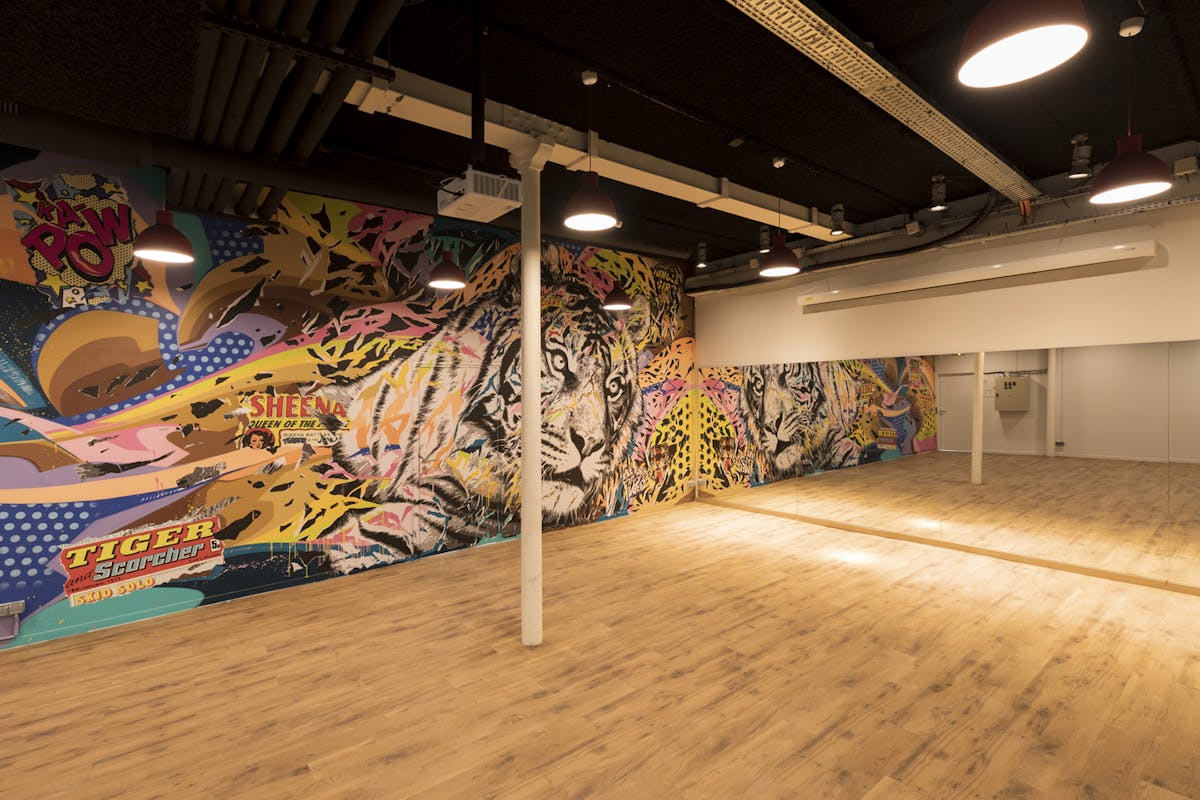
Shoreditch is the centre for independent and emerging labels. The area's former warehouse and light-industrial stock gives wide ground-floor frontage and raw interiors, which is why design-led activations and streetwear brands cluster here. Trade skews young and evening-weighted, making it ideal for a launch or an artist collaboration rather than a mainstream retail takeover.
Bond Street and Mayfair command the luxury market. These addresses carry the highest rents in Europe and are taken for prestige adjacency, the established fashion houses, jewellers and art dealers occupy them as flagship anchors. A brand taking large space here is signalling positioning rather than optimising footfall.
King's Road in Chelsea serves a wealthy residential catchment. It is a long continuous run of shopfronts from Sloane Square westward with no Underground station along it, so trade is deliberate and local rather than incidental passing. A large space here suits a brand targeting affluent residents rather than visitors.
Brick Lane and Spitalfields combine lower rents with weekend visitor draw. The area is known for vintage retail, street food and markets, and the frontages are smaller and more independent than the West End. Spitalfields market itself runs a covered hall trading seven days a week with both permanent units and short-term stall space, making it one of the most established routes into retail in London.
Lease Flexibility and Rental Terms
Large retail spaces in London rent by the day, week, month or longer, with flexibility determined by the landlord and the space type. A flagship unit on Oxford Street typically requires a minimum commitment of weeks or months; a managed centre such as Covent Garden may offer shorter terms; and a market stall or independent unit in Shoreditch often accommodates pop-up durations from days upward.
London's street and covered markets run deliberate short-term programmes alongside permanent tenants, so a market pitch is a genuine route into retail rather than a placeholder. Camden, Old Spitalfields, Borough, Portobello, Greenwich and Columbia Road all offer stall and short-let options.
Seasonal Demand and Timing
Demand for large retail space in London peaks around the fashion weeks in February and September, through the run-up to Christmas, and during the autumn art and design festivals in September and October. August is the quietest month, when a large share of the city empties and office footfall drops.
Boxing Day on 26 December opens the winter sale period in the United Kingdom and is one of the highest-footfall trading days of the year. January follows with heavy promotional trading and weaker full-price revenue. Black Friday falls on the Friday after the fourth Thursday of November and now marks the start of the Christmas trading run.
London's bank holidays fall on Mondays in early and late May, late August, and around Christmas and Easter. Each creates a three-day weekend, and for central London retail those weekends are busier rather than quieter because the city fills with domestic visitors. The August bank holiday coincides with Notting Hill Carnival, which closes streets across west London and affects access to any space in that area.
Why Large Retail Spaces Matter in London
Large units allow a brand to create a destination rather than fitting into a conventional shopfront. On a narrow Victorian street in Soho, a large space is rare and highly sought after. On Oxford Street or in Covent Garden, it is the norm and signals a major campaign. The size determines what is possible: raw warehouse units in Shoreditch suit installation and art; controlled mall environments suit brand retail; high streets suit flagship positioning.
The distinction matters commercially because London's commercial real estate is small by international standards. Outside the flagship streets and managed centres, a typical ground-floor shop is a narrow Victorian or Georgian frontage over one or two floors, often with a basement and limited rear access. Brands used to American floorplates should expect to work vertically rather than horizontally, which is why finding a genuinely large unit is a different search from finding any unit.
FAQ
How much does large retail space cost in London?
Rents vary dramatically by location and size. Oxford Street, Bond Street and Covent Garden command premium rates; emerging neighbourhoods such as Dalston or Fulham offer significantly lower costs. The asking rate is usually shown per day or per week on individual listings, and deposit, insurance and cleaning terms are agreed directly with each landlord.
What counts as large retail space?
There is no single definition, but large typically means ground-floor units over 100 square metres with full-width frontage, or prominent multi-level retail. Storefront lists units by actual dimensions, so you can filter by the size you need and see photographs before enquiring.
Can I book a large retail space short-term in London?
Yes. Many landlords let large spaces for short terms, days, weeks, or months, particularly in managed centres like Covent Garden and in market environments like Spitalfields. Independent spaces in Shoreditch and other emerging areas are often available for flexible durations. Check individual listings for minimum-term requirements.
Which London neighbourhoods have the most retail foot traffic?
Oxford Street is Europe's busiest shopping street. Covent Garden, the West End, and Bond Street follow. Shoreditch, Brick Lane and Spitalfields draw heavy weekend visitor traffic. Neighbourhood high streets such as Marylebone High Street, King's Road and Portobello Road serve strong local catchments. The right neighbourhood depends on whether your customer is a visitor or a resident, and whether you are building reach or margin.
Do I need planning permission for a pop-up in a large retail space?
In England, shops, offices, cafes and most other town-centre uses sit in a single planning category. Moving between them does not require planning permission, which is why a pop-up can take a former bank, office or restaurant unit without a planning application. Confirm the specific use with the landlord before booking.
How do I find the right large retail space for my brand?
Start by deciding whether you need reach (Oxford Street, Covent Garden) or a specific neighbourhood (Shoreditch for independent labels, King's Road for affluent residents, Brick Lane for weekend visitors). Read the neighbourhood guides on the retail space in London page, then filter by duration and dates. Enquire on the platform with your concept and dates, and talk directly to the space owner to confirm the space fits your needs.
Explore more: Pop-Up Store Rental