Why rent a large retail space in Montreal
Montreal sits on an island in the St Lawrence, and its central boroughs pack a dense, walkable retail landscape into a compact geography. For brands that need room, a large retail space rental in Montreal opens up formats that smaller units cannot support: multi-brand pop-up shops, product launches with room for staging, seasonal activations that need floor area for display and circulation. Rents here sit well below Toronto, Vancouver or any US gateway city, which means the same budget stretches further and a big retail space becomes a realistic option rather than a reach.
The city's typical building stock is low-rise, with ground-floor commercial units sitting under two or three floors of residential walk-ups. That fine-grained street pattern means large spaces tend to cluster where the architecture changes: former industrial buildings, converted warehouses and purpose-built commercial blocks in the central boroughs. For a broader view of what is available, retail space in Montreal covers every size and format across the city.
What makes a space large
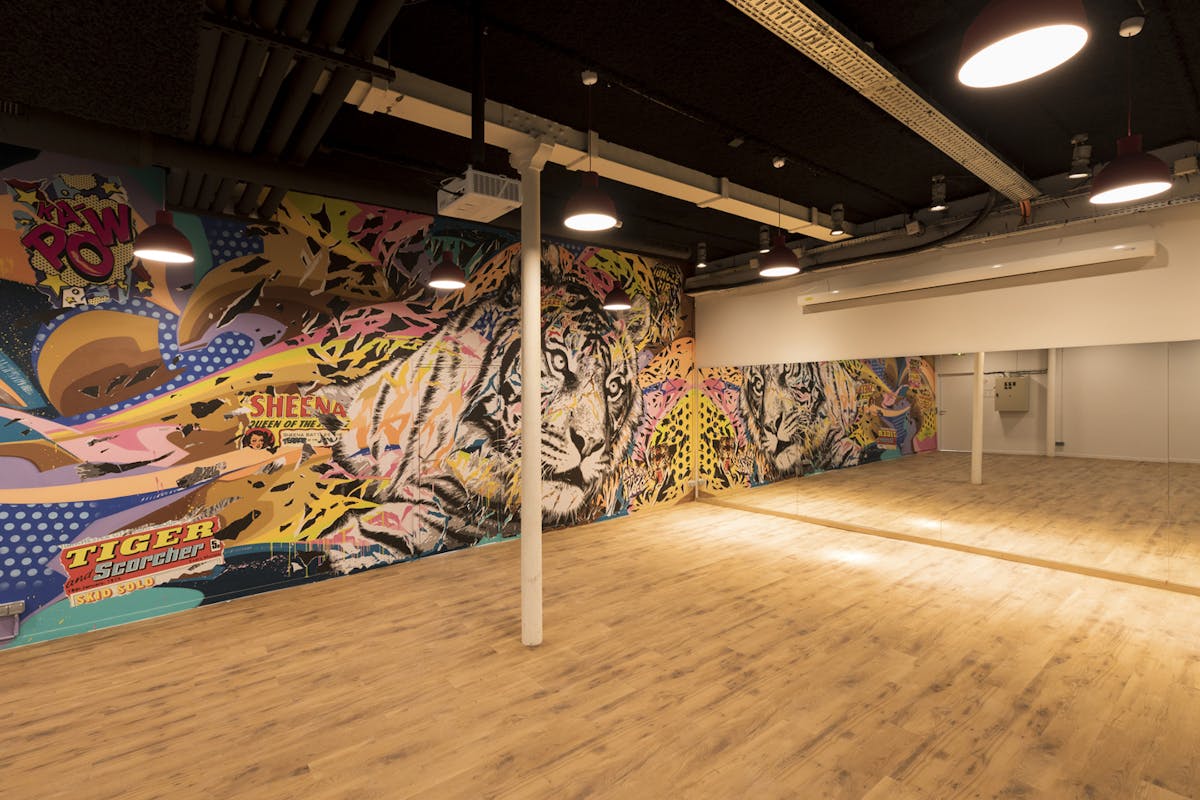
There is no fixed threshold, but on this page "large" means enough room for a format that would feel cramped in a standard Montreal shopfront. Think open floor plans that accommodate product walls, seating areas, checkout queues and foot traffic at the same time. A spacious retail space works for a flagship-style pop-up, a multi-brand market, a seasonal retail activation or a brand experience that needs visitors to move through zones.
If the format involves food or drink service, note that Quebec requires a provincial food permit before activity begins, and alcohol retail is controlled by a provincial monopoly. Both take lead time, so a food-led activation in a big retail space starts its permits well before it starts its fit-out.
Montreal factors that matter at scale
A large space amplifies everything that is specific to this city. A few points worth planning around:
-
Language. French is the language of law, signage and public life. Commercial signage visible from outside must be predominantly in French, and the rule tightened in 2025 with no grace period. Staff must be able to serve customers in French. A brand arriving with an English-only shopfront is non-compliant from day one.
-
Winter. From late November into April, temperatures stay well below zero and snow narrows sidewalks. A large retail space needs a proper entrance vestibule, somewhere for wet boots and coats, and heating that survives a door opening constantly. Outdoor formats are not an option for roughly five months of the year.
-
Opening hours. Quebec regulates when a shop may admit the public. Normal hours run to 9pm on weekdays and 5pm on weekends. A Saturday closing at five is not the retailer's choice, and it catches out operators arriving from other provinces.
-
Sales tax. Federal GST and Quebec QST are added at the till, not shown on the shelf. Customers expect the final price to be about 15 percent above the ticket. Set prices with that in mind.
Seasonal timing for a large retail space
Montreal's retail calendar has clear peaks. The summer festival season, running from late June through August, brings the highest visitor footfall and the most competition for space. Christmas markets run through December, with chalets let to vendors for the season and booked well in advance. Between those peaks, the quieter months offer better rates and more choice.
Moving Day, when a huge share of the city relocates around the end of June, spikes demand for furniture, homeware, storage and food delivery. A large temporary retail format timed to that moment has a built-in audience. For ideas on tracking what works, measuring pop-up shop success covers the KPIs that matter.
The late-night economy here is real: bars serve later than in most of North America, which means evening and night retail formats work in Montreal in ways they do not in Toronto or most US cities.
Getting the permits right
A new occupant needs a fresh certificat d'occupation from the borough, even if the previous tenant held one. The borough sets the terms, and the answer changes by address. Any business operating in Quebec also registers with the Registraire des entreprises to obtain a Quebec enterprise number.
For a walkthrough of the permit landscape, pop-up shop permits and licenses covers the general framework. Requirements depend on the space and the local authority, and are worth confirming before booking.
Pricing levers for a large space
Rates vary by location, size, floor, fit-out level and timing. The real levers a renter controls:
-
Timing. Off-peak months and midweek dates ask less than peak season and weekends.
-
Duration. A longer booking usually earns a better daily rate.
-
Fit-out. A finished, furnished space costs more than a raw one. If the brand is bringing its own build, the raw space is the better buy.
-
Flexibility. Being open on dates or able to take a space at short notice when a host has a gap is the single biggest lever a renter controls.
For a pop-up store rental at any scale, that flexibility principle holds everywhere.
FAQ
What qualifies as a large retail space in Montreal?
There is no single definition. On this page it means a space with enough open floor area to run a format that needs room: a multi-brand market, a product launch with staging, a seasonal pop-up with distinct zones for display and checkout. The listings on this page are filtered for that scale.
Can I rent a large retail space in Montreal for just one day?
Many hosts accept single-day bookings, while others set a minimum of several days or a week. The listing itself states the minimum, and a longer stay usually earns a better daily rate.
What should I budget for beyond the rent?
Deposits, insurance and cleaning terms are set by each host and vary by space. Quebec sales tax is added at the till, not included in the listed rate. If the format involves food or alcohol, permit fees and processing time are additional costs to plan for.
Does signage need to be in French?
Yes. Commercial signage visible from outside must be predominantly in French under Quebec law. The rule tightened in 2025, and there is no grace period. Staff must also be able to serve customers in French.
When is the best time to book a large space in Montreal?
Summer festival season and the December holiday markets are the busiest periods. Booking outside those peaks gives more choice and better rates.