

Why Rent a Large Warehouse in Miami
Miami's warehouse market serves three distinct economies. Wynwood attracts fashion brands, artists, and production companies seeking affordable, creative-focused space near galleries and design studios. Brickell draws e-commerce fulfillment operations and corporate logistics teams close to Miami International Airport and PortMiami, the busiest cruise port in the world. South Beach commands premium rates for tourism-driven activations, seasonal pop-ups, and event production.
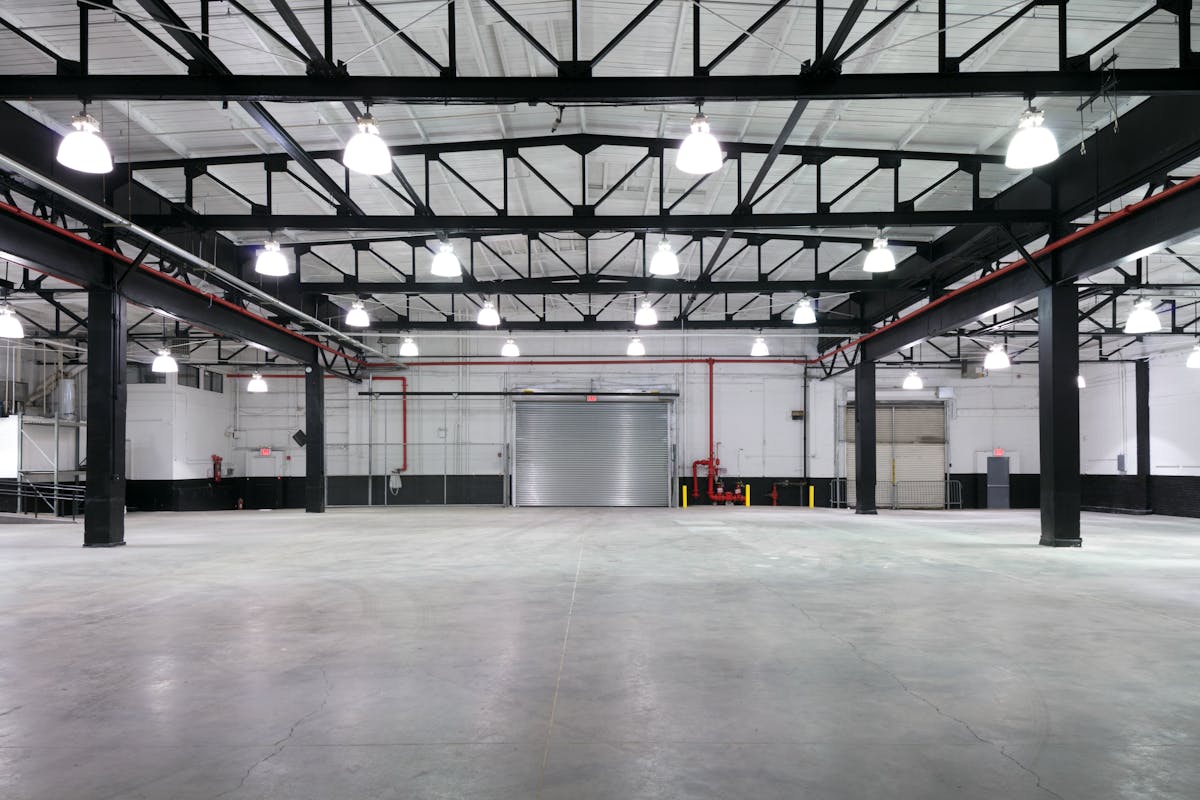
Large warehouses in Miami offer control over inventory, supply chain access, and the flexibility to scale without long-term lease obligations. The city's strategic location makes it a hub for import-export, fulfillment, and distribution across the Caribbean and Latin America.
Large Warehouse Space by District
-
Wynwood: Artist studios, tech workshops, creative production. Cost range: $1,200–$3,500 per month. Known for street art, cultural venues, and emerging creative businesses.
-
Brickell: Corporate logistics, e-commerce fulfillment, finance sector operations. Cost range: $2,000–$5,000 per month. Close to Miami International Airport (8 miles) and PortMiami (5 miles).
-
South Beach: Tourism-driven events, seasonal pop-ups, brand activations. Cost range: $3,500–$8,000+ per month. High foot traffic and proximity to hotels, convention centers, and entertainment venues.
-
Design District: Luxury retail showrooms, high-end production. Cost range: $4,000–$10,000+ per month. Attracts premium brands and event producers.
Large Warehouse by Use Case and Size
1,000–2,000 sq ft: Small-scale production, pop-up retail, temporary storage, local fulfillment. Ideal for emerging brands, artisans, and seasonal operators. Popular in Wynwood and South Beach.
2,000–5,000 sq ft: Mid-scale fulfillment centers, event production bases, workshop + showroom combinations. Serves fashion brands managing both retail and inventory, e-commerce startups, and corporate events. Brickell and Wynwood offer strong availability in this range.
5,000+ sq ft: Large-scale production, regional distribution, major event staging, import-export operations. Requires proximity to airport or port. Brickell and outlying industrial areas dominate this segment.
Real-World Examples
Fashion Brand Showroom + Warehouse: A mid-size fashion label opens a 3,000 sq ft space in Wynwood—1,200 sq ft showroom on ground floor, 1,800 sq ft climate-controlled storage above. Six-month lease, $2,500/month. Benefits from Wynwood's design district reputation and walk-in traffic from galleries.
E-commerce Fulfillment Center: A growing online retailer leases 4,500 sq ft in Brickell. Location within 10 minutes of Miami International Airport cuts shipping times. Dock access, 12-foot ceilings, and high-bay shelving support 24-hour operations. Cost: $3,200/month as of 2025.
Event Production Base: A Miami-based event company maintains a 2,500 sq ft warehouse in South Beach as headquarters for seasonal activations around Art Basel Miami and fashion week. Flexible monthly lease, $5,500/month, includes loading bay and climate control for set pieces and rental inventory.
Pricing, Utilities, and Hidden Costs
Large warehouse rents in Miami range from $1,200 to $10,000+ per month depending on district, size, and amenities (as of 2025). Wynwood averages $1,500–$3,500; Brickell $2,000–$5,000; South Beach $3,500–$8,000; Design District $4,000–$10,000+.
Most landlords require tenants to cover utilities separately—typically $300–$800/month for electricity, water, and HVAC in a 3,000 sq ft space. Insurance is tenant-provided; commercial warehouse coverage runs $800–$2,000+ annually depending on use and value stored. Parking and loading dock access vary by building and location; ask landlords upfront.
How to Choose the Right Large Warehouse in Miami
Location Trade-offs: Wynwood offers affordability and creative credibility; Brickell provides logistics efficiency and airport proximity; South Beach commands premium rates but delivers foot traffic and event visibility. Choose based on your customer base and operational needs, not just rent.
Ceiling Height and Dock Access: Verify ceiling height (12+ feet preferred for storage and production) and whether the space includes a loading dock or ground-floor access. These features are critical for fulfillment and manufacturing but rare in converted retail spaces.
Zoning and Permitted Uses: Confirm the building's zoning allows your specific use—manufacturing, storage, events, or showroom. South Beach and Design District have stricter use restrictions than Wynwood or Brickell industrial zones.
Climate Control: If storing fashion, electronics, or temperature-sensitive goods, verify HVAC capacity and reliability. Miami's heat and humidity require robust climate systems; undersized systems lead to inventory damage.
Move-In Timeline: Most landlords require 5–10 business days to execute a lease and provide keys. If you need space urgently, confirm availability and landlord responsiveness upfront. Storefront listings show availability and move-in dates; filter by your required start date.
Logistics Advantages of Miami Warehouse Space
Miami is North America's gateway to the Caribbean and Latin America. PortMiami handles over 6.7 million cruise passengers annually and is the world's busiest cruise port; it also handles significant containerized cargo for regional distribution. Miami International Airport connects to 150+ destinations across the Americas.
For import-export businesses, fulfillment operations, and companies serving South Florida's tourism economy, warehouse proximity to PortMiami or the airport reduces transit times and costs. Brickell and adjacent industrial areas offer the best access to both transportation hubs.
Explore Large Warehouse and Related Spaces in Miami
Storefront also lists Art Studio Space Miami for artists and creative producers, and spaces in Wynwood for rent by the day or week. Compare neighborhood availability and use cases to find your ideal fit.
FAQ
How quickly can I book a large warehouse in Miami?
Storefront listings are live and ready to book. Most landlords confirm availability within 24 hours. Once you've selected a space and completed payment, you can receive keys and access in as little as 5–10 business days, depending on lease complexity. Instant-booking spaces may grant access sooner.
Do I need commercial warehouse insurance?
Yes. Most landlords require proof of commercial general liability (CGL) insurance before you take occupancy. Costs range from $800 to $2,000+ annually depending on square footage, use type, and inventory value. Insurance typically covers property damage, liability, and equipment. Work with a commercial broker to quote your specific needs.
What sizes of large warehouses are available?
Storefront lists spaces from 1,000 sq ft to 25,000+ sq ft across Miami. Filter by district and square footage on the search page to narrow results. Wynwood tends to offer 1,500–5,000 sq ft; Brickell 2,500–10,000 sq ft; South Beach 1,000–8,000 sq ft (often smaller, premium spaces); industrial zones 5,000–25,000+ sq ft.
Are utilities included in the monthly rent?
Rarely. Most Miami warehouse leases are triple-net (NNN) or modified gross, meaning tenants pay base rent plus utilities, insurance, and a share of property taxes or CAM (common area maintenance). Clarify utility responsibility and estimates before signing. Climate-controlled spaces typically cost $300–$800/month more in utilities than basic warehouses.
What's the difference between Wynwood, Brickell, and South Beach for warehouse rentals?
Wynwood is the affordable, creative hub—best for artists, designers, small production companies, and emerging brands. Rents start around $1,500/month. Brickell is the logistics and corporate center, close to the airport and port, with mid-tier pricing ($2,000–$5,000). South Beach is premium and tourism-focused, ideal for seasonal events and brand activations, but rents run $3,500–$8,000+. Choose based on your industry and customer base.
Can I rent a large warehouse on a short-term basis?
Yes. Storefront enables daily, weekly, and monthly rentals with no long-term lease required. Flexible cancellation terms apply to most listings. Seasonal businesses and pop-up operations frequently book 1–3 month terms. Confirm the specific lease terms and cancellation policy with each landlord before booking.


