What Light Industrial Space Looks Like in Toronto
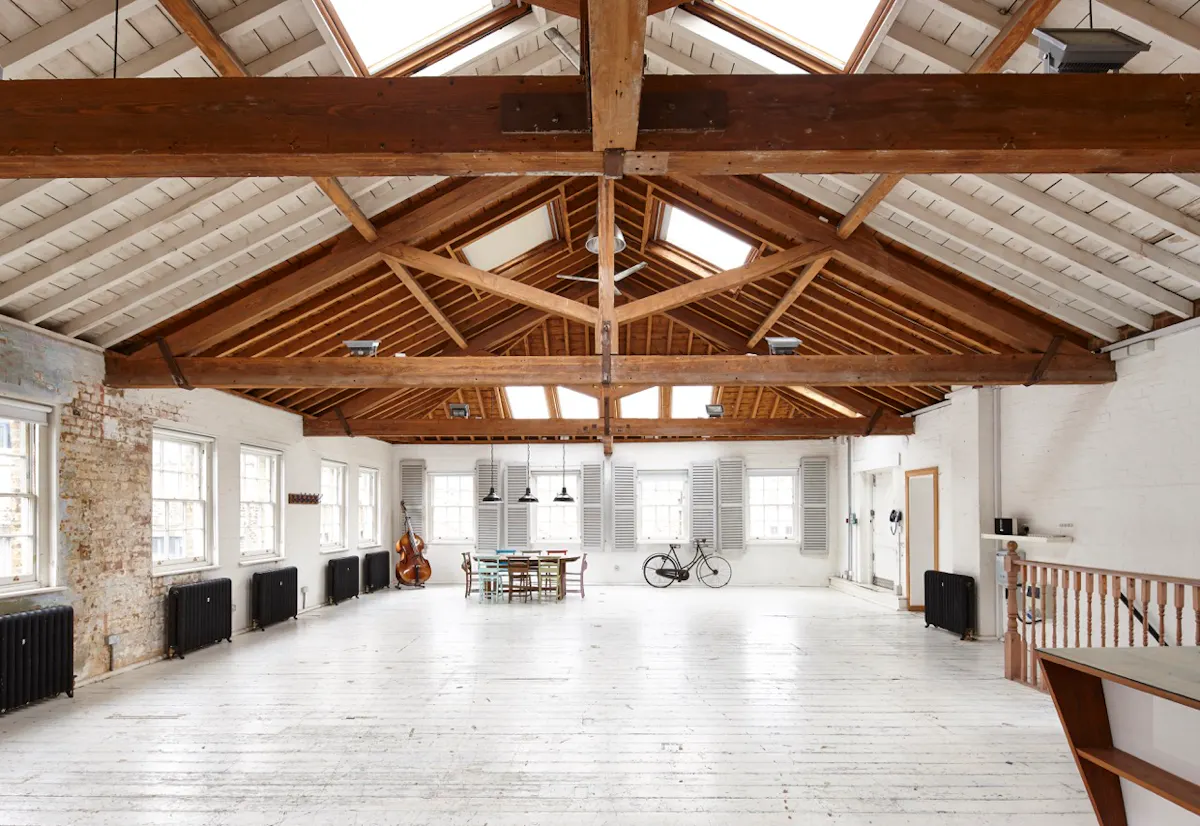
Light industrial rental in Toronto covers a broad category: raw concrete units with high ceilings, converted warehouses fitted for creative production, maker studios with heavy power, and flex spaces that sit somewhere between a workshop and a showroom. What ties them together is the combination of generous floor plates, practical finishes and enough infrastructure to support work that a conventional office or retail unit cannot handle.
Toronto is Canada's largest city and its commercial capital, with a deep bench of creative, media and production businesses that need exactly this kind of space. The city is one of the largest film and television production centres in North America, and a substantial advertising, media, music and design sector sits across the west end and the core. That professional creative audience drives steady demand for light industrial space on short and flexible terms.
Who Rents Light Industrial Space Here
The typical renter is not running a factory. Light industrial space in Toronto draws:
-
Film and photography crews needing ceiling height, blackout capability and loading access
-
Product brands preparing inventory, assembling kits or running fulfilment out of a temporary base
-
Designers and makers prototyping or producing small runs before committing to a permanent workshop
-
Event producers building sets, storing equipment or staging branded installations before moving them to a venue
-
Retailers using raw industrial space as the backdrop for a pop-up store with an intentionally unfinished aesthetic
The common thread is that these renters need floor area, practical access and permission to make noise or mess, without a long lease.
What to Look for in a Toronto Light Industrial Unit
The features that separate a usable industrial unit from a difficult one are physical and worth checking before booking:
-
Ceiling height. Low ceilings limit what you can build, hang or shoot. Most converted warehouse spaces in the city offer more.
-
Loading. A grade-level door or a loading dock matters for heavy equipment and large deliveries. Several central districts are difficult for trucks, so confirm the access route as well as the door.
-
Power. Standard residential circuits will not run industrial lighting rigs, welding equipment or commercial kitchen setups. Ask for the panel rating before signing.
-
Floor condition. Polished concrete reads well on camera and handles heavy loads. Unfinished concrete works for production but may need covering for a public-facing event.
-
Noise and hours. Residential neighbours change the rules. A unit surrounded by other commercial uses is less likely to restrict evening or weekend work.
If the space ticks those boxes, most short-term industrial uses are straightforward. If it does not, the limitations tend to surface on day one.
Toronto Neighbourhoods Where Industrial Space Concentrates
Toronto is organised around long commercial main streets rather than a single central zone, and light industrial stock follows that pattern. Converted warehouses and flex units cluster where manufacturing and rail infrastructure once sat, which today means the west end and the corridors east of the core.
The city has been through an extraordinary condominium boom that has put dense residential towers into former industrial districts. That has compressed the remaining industrial stock and made it more sought-after, but it has also brought population, transit and foot traffic closer to the spaces that survive. A light industrial rental in a mixed-use area is easier to staff, easier to find and easier to invite people to.
For a broader look at what is available across the city, the Toronto listings page covers every space type and district.
Rates and How to Spend Less
Rates vary by location, size, fit-out and timing, and there is no single published figure that holds across listings.
The real levers a renter controls:
-
Timing. Off-peak months and midweek dates cost less than peak season weekends. A shoot competing with festival season pays for that competition.
-
Duration. A longer booking usually earns a better daily rate. Hosts price continuity.
-
Fit-out. A raw, empty unit costs less than a finished one. If the production is bringing its own build, the raw space is the better buy.
-
Position. A unit a few streets off the main commercial strip asks materially less while keeping much of the accessibility.
-
Flexibility. Being open on dates, or able to take a space at short notice when a host has a gap, is the single biggest lever a renter controls.
For renters looking for cheap commercial property in Toronto, those same principles apply across every space type.
FAQ
What is light industrial space used for in Toronto?
Light industrial space in Toronto is used for film and photo production, product assembly and fulfilment, prototype manufacturing, set building, equipment storage and branded events that need raw, high-ceiling environments. The city's large production and creative sector makes this one of the most active categories of temporary space rental.
Can I rent light industrial space in Toronto for a single day?
Many hosts offer daily bookings, particularly for photo and film shoots. Longer bookings often attract a better per-day rate. Minimum terms are set by each host and shown on the listing.
What should I check before booking an industrial unit in Toronto?
Ceiling height, loading access, electrical capacity, floor condition and any noise or hours restrictions from neighbouring uses. These are the features that determine whether the space works for your specific activity, and they vary widely from one listing to the next.
How does pricing work for light industrial rental in Toronto?
Rates are set by each space owner and depend on size, location, fit-out level and season. The renter pays the rate shown on the listing or the rate agreed with the host. Deposits, insurance and cleaning terms are agreed directly with the landlord and vary by space.
Some light industrial units double as showroom or retail space, and a few Toronto listings suit a kiosk-style setup inside a larger venue. Browse the listings on this page or check dedicated kiosk and corner rental options for a closer match.