Why Miami for Light Industrial Rental
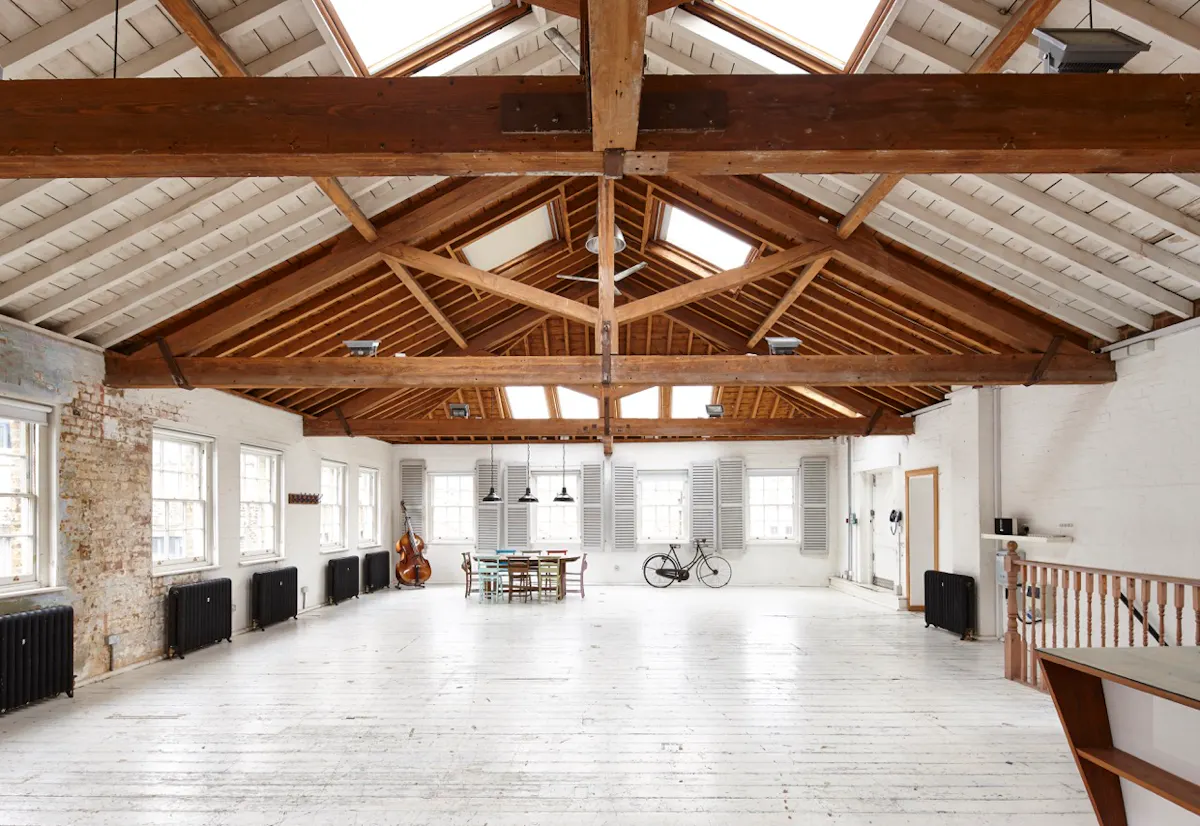
Miami's building stock splits between converted warehouses in Wynwood and Allapattah, purpose-built commercial space in the Design District, and newer ground-floor units beneath residential towers in Brickell and Edgewater. For light industrial rental, the warehouse districts hold the largest floor plates, the highest ceilings and the most practical loading access. Converted single-story buildings with roller doors, open spans and raw finishes sit within a short drive of every part of the city, and rents in the industrial corridors run well below the prime retail streets.
Brands use light industrial space in Miami for product launches that need build-out room, e-commerce fulfillment during peak season, art fabrication ahead of the December fairs, and production work that does not fit a finished retail unit. The format suits anyone who needs size, access and permission to make noise.
Where to Find Light Industrial Space in Miami
-
Wynwood. The district's original warehouse stock survived its transformation into an arts quarter. Large floor plates, high ceilings and roll-up doors remain, at rents below the Design District. Wynwood holds more of our Miami supply than any other neighborhood, and evening and weekend footfall from the gallery and restaurant scene gives a tenant a built-in audience.
-
Allapattah. A working industrial and wholesale district west of Wynwood, built around the produce market and warehousing. Allapattah offers the largest and cheapest warehouse floor plates within reach of central Miami. It suits installations, storage and production more than shopfront retail, and works for projects that bring their own audience rather than relying on passing trade.
-
Little Haiti. Galleries and creative businesses have moved into Little Haiti warehouses as Wynwood rents rose. The district remains one of the more affordable places in inner Miami to take ground-floor space, and NE 2nd Avenue runs south directly into the Design District.
-
Edgewater. Newer buildings with available space between Downtown, Wynwood and the Design District. Edgewater absorbs overflow during the December art week and its position makes it a sensible base for a project serving several districts at once.
Who Books Light Industrial Space Here
The typical renter is not browsing. Light industrial space in Miami draws a specific set of uses:
-
Art fabrication and installation. Artists and galleries preparing work for the December fairs need ceiling height, floor loading and room to build. Wynwood and Allapattah warehouses handle the scale.
-
Production and content creation. Film crews, photographers and content teams book warehouse and production space for the open floor plans, power supply and loading access that a finished retail unit cannot offer.
-
E-commerce fulfillment. Brands running temporary distribution during the high season, roughly November to April, use short-term industrial units rather than committing to a long lease.
-
Pop-up manufacturing and maker projects. Small-run manufacturing, product assembly and maker workshops fit the light industrial format, particularly in Allapattah where the floor plates are largest.
-
Brand activations and launches. A raw warehouse gives a brand full control over the build, and the fit-out cost is lower than adapting a finished space. Pop-up store rental is one route in.
How to Spend Less on Industrial Space in Miami
Rates vary by neighborhood, size and timing. The real levers are practical:
-
Timing. Miami's high season runs roughly November to April. Summer space is easier to get and cheaper, which makes the low season the sensible time to test a location rather than to launch one.
-
Duration. A longer booking usually earns a better rate per day. Hosts price continuity.
-
Location on the street. In Wynwood, a few blocks north of the main gallery run is materially cheaper. In Allapattah, nearly everything sits below the prime district rates.
-
Fit-out. A raw unit with roller doors and concrete floors costs less than a finished, furnished space. If the project is bringing its own build, the raw option is the better buy.
-
Flexibility. Being open on dates or able to take a space at short notice when a host has a gap is the single biggest lever a renter controls.
Browse all Miami spaces or narrow by neighborhood to compare what is available. For mall and kiosk formats, a separate selection covers those.
FAQ
What counts as light industrial space?
Light industrial space typically means a warehouse, workshop or production unit with high ceilings, open floor plans, concrete or epoxy floors, and loading access such as roll-up doors or a loading dock. In Miami, much of it is converted single-story warehouse stock in Wynwood, Allapattah and Little Haiti. It is distinct from finished retail or office space and suits uses that need size, ceiling height and permission to build.
How far in advance should I book light industrial space in Miami?
During the high season, especially the first week of December when the art fairs bring an international audience, short-term space is contested and needs to be secured months ahead. In the summer low season, availability is wider and shorter lead times are realistic. Flexibility on exact dates helps.
Can I customize a light industrial space for my project?
Most light industrial units are rented in a raw or semi-finished state, which gives the renter full control over the build. Confirm with the host what alterations are permitted and whether the space needs to be returned to its original condition. Deposits and terms vary by listing.
Do light industrial spaces in Miami have loading access?
Many warehouse units in Wynwood and Allapattah include roll-up doors and ground-level or dock-height loading. Check the individual listing for specifics, because access varies from one building to the next.
Is Miami light industrial space available for short-term rental?
Yes. Spaces on Storefront can be booked by the day, the week or for longer periods. Duration and terms are agreed directly with the space owner through the platform.