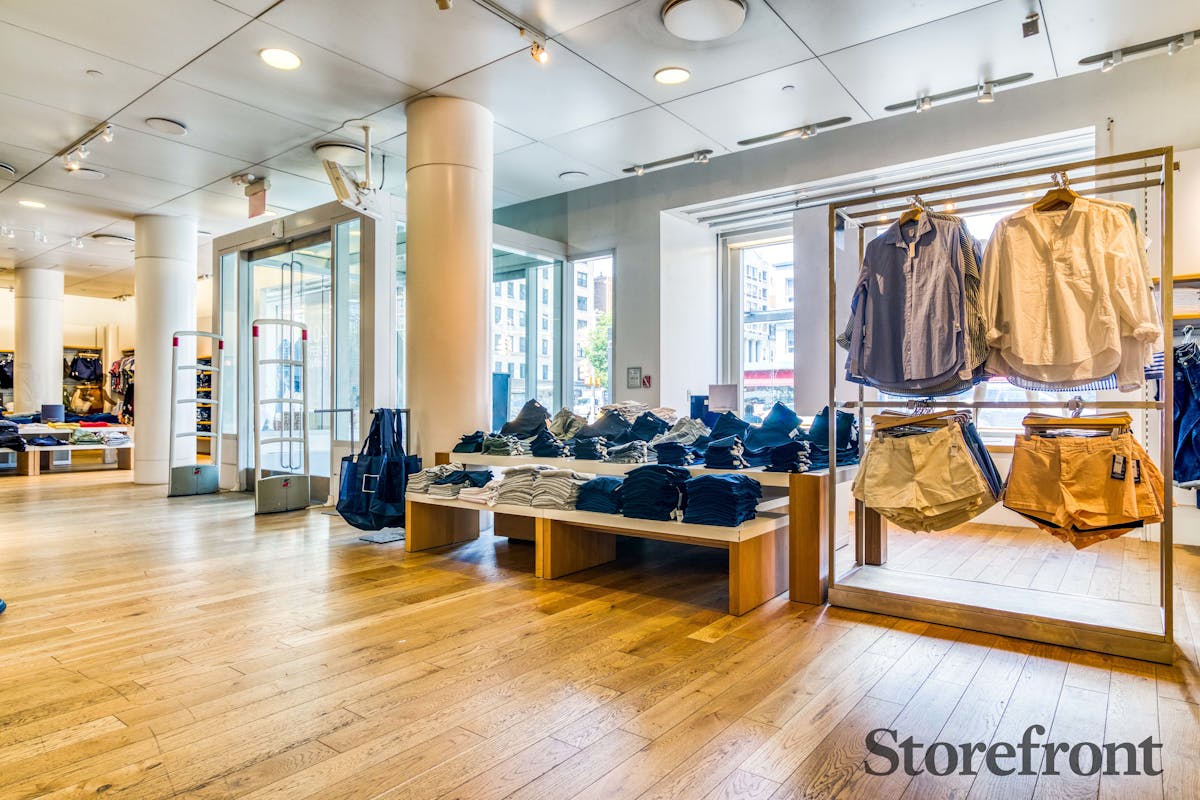
A shop to let on Carnaby Street puts a brand on one of the West End's most recognisable addresses. The street and the lanes around it are owned and run as a single estate, so the tenant mix is curated rather than assembled by whoever bid most. That single ownership makes lettings more straightforward than on most central London streets: one landlord, one process, and a clear idea of who trades alongside you.
Why Carnaby Street suits a longer retail commitment
Carnaby Street carries a fashion and streetwear identity inherited from the 1960s, and brands still buy into it deliberately. That positioning is a decision as much as a footfall calculation: the address says something about the tenant, and a lease of three months or more gives a brand time to build on that association rather than just borrow it.
The street is pedestrianised, so there is no vehicle traffic across the frontage and pedestrian flow runs uninterrupted across the full width. The customer base skews young and international, with visitor-weighted footfall that trades hardest at weekends and through the summer and Christmas periods.
For brands exploring retail space for rent in central London, Carnaby Street offers a managed environment where the landlord actively shapes the mix.
The estate and surrounding lanes
Carnaby Street itself is the anchor, but the estate extends into the lanes around it. Kingly Court and the Newburgh Quarter sit behind the main street and hold smaller managed units across multiple levels. These spaces are let by the same estate and are used heavily for brand activations and retail.
The surrounding lanes offer narrower frontages and quieter settings while keeping a brand within the same managed quarter. A shop to rent on Carnaby Street or one of its side lanes benefits from the same curated tenant mix and estate management, with unit sizes that suit independents and emerging labels as well as established names.
What to expect from the units
London retail units are small by international standards, and Carnaby Street is no exception. Expect narrow frontages over one or two floors, sometimes with a basement. Brands used to larger floorplates should plan to work vertically rather than horizontally.
Because the street is pedestrianised, servicing runs to timed windows through the surrounding lanes. There is no drive-up access to the frontage, which rules out large-scale installations and makes fit-out logistics slower. In exchange, the uninterrupted pedestrian surface gives every unit equal visibility. A small storefront on Carnaby Street can trade effectively precisely because the format suits compact, characterful spaces rather than flagships.
Trading rhythms and seasonality
Footfall on Carnaby Street peaks at weekends, through the summer visitor season and in the run-up to Christmas. The street draws from the same visitor pool as the wider West End, with Oxford Circus, Piccadilly Circus and Tottenham Court Road stations all within walking distance.
Black Friday marks the start of the Christmas trading run, and Boxing Day on 26 December opens the winter sale period, one of the highest-footfall trading days of the year. A lease starting in the autumn positions a brand to trade through both peaks.
Demand for space in central London also rises around London Fashion Week in February and September, and during the autumn art and design festivals, when the city draws international buyers and press.
How Carnaby Street fits the West End
The West End holds one of only two top-grade retail designations in London, placing it alongside Knightsbridge as a globally recognised retail destination. Within that context, Carnaby Street occupies a specific position: it sits between the flagship scale of Regent Street and Oxford Street and the independent, bar-led character of the streets deeper into Soho.
Greek Street, Frith Street, Old Compton Street and Broadwick Street are all close by, but those streets run on an evening and late-night rhythm rather than a retail one. Carnaby Street is the retail address inside Soho. For a brand that wants a storefront with apartment or a live-work arrangement, the residential stock above Soho's commercial units is worth exploring alongside the retail search.
Frequently Asked Questions
What type of shop is available to let on Carnaby Street?
Units on Carnaby Street and the surrounding lanes are typically small, with narrow frontages over one or two floors. They suit fashion, food and lifestyle brands rather than large-format retail. The estate manages the tenant mix, so availability depends on what the landlord is looking for as well as what is vacant.
How long are leases on Carnaby Street?
Shops to let on Carnaby Street are suited to commitments of three months or longer. The estate operates a managed lettings programme, so terms and availability are agreed directly with the landlord.
When is the busiest trading period on Carnaby Street?
The street trades hardest at weekends, through the summer months when visitor numbers peak, and during the run-up to Christmas. Boxing Day and the January sale period also bring high footfall.