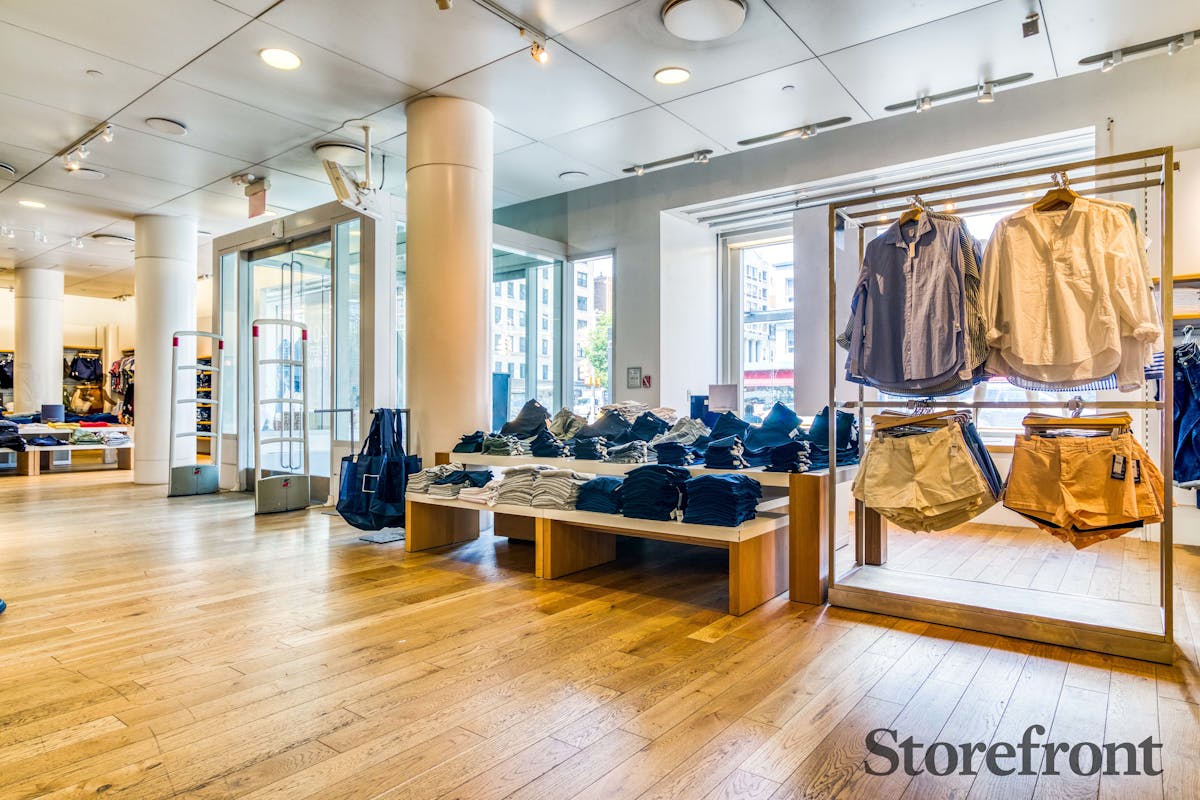
Soho occupies a tight grid of streets between Oxford Street and Shaftesbury Avenue, with ground-floor retail sitting beneath media offices, restaurants and bars. The area rewards a smaller, more considered format: frontages are narrow, floorplates are compact, and the surrounding mix of food, drink and entertainment keeps the streets busy well into the evening. For a brand taking on a shop to let in Soho, the trade-off is clear: less raw footprint than a flagship street, but a density and character that larger pitches cannot match.
What makes Soho different from the flagship streets
London's international retail destinations sit on its widest avenues: Oxford Street, Regent Street, Bond Street. Soho is none of those. Its streets are tight, its units are small by London standards, and its tenant mix leans independent rather than chain. That is the point. A shop to rent in Soho puts a brand among restaurants, bars, galleries and production offices rather than among other shops, and the resulting foot traffic is mixed rather than purely retail. Brands used to large-format space should expect to work vertically rather than horizontally, often across a ground floor and basement on a single narrow frontage. For a broader view of what is available across cities and formats, see our retail space for rent listings.
Key streets and areas within Soho
Carnaby Street and the lanes around it form a managed pedestrian retail quarter with small units and a tenant mix weighted to fashion and food. Kingly Court and the Newburgh Quarter behind Carnaby hold small managed units on three levels. Berwick Street sits at the centre of Soho, with a long-running street market and very small frontages. Greek Street and Frith Street run north from Shaftesbury Avenue through the middle of the district, carrying restaurants, bars and small ground-floor units. Old Compton Street is the main east-west route and trades on an evening and late-night rhythm rather than a daytime shopping one, which suits some retail formats and rules out others. Broadwick Street connects several of these runs and carries its own ground-floor stock.
Who a Soho shop suits
The compact, characterful units here work well for brands that trade on identity rather than volume. Fashion labels, beauty and grooming concepts, specialist food retailers and design-led brands all fit the scale of what is available. Soho's mix of media offices and hospitality means the daytime crowd includes a high proportion of people working in the area, not only visitors passing through, and the evening economy keeps streets active long after the West End shops close. A store to let in Soho on a commitment of several months or longer gives a brand time to build a local following in that environment. If a smaller footprint is what you need, browse our small storefront listings for units across multiple cities.
The estate-managed streets
An unusual feature of central London retail is that several of the best-known streets sit under single ownership. On an estate-managed street the tenant mix is curated, and lettings go through the estate rather than the open market. Carnaby Street and its surrounding lanes are the clearest example within Soho. For a brand looking at a retail shop to let in Soho, this means the process on a managed street can differ from the open market: the estate has a view on what belongs there, and the letting reflects that. Outside the managed streets, Soho's stock trades more conventionally and a wider range of operators and uses appear.
Seasonal rhythms and trading patterns
Demand for retail space in Soho follows London's broader calendar. The run-up to Christmas is the peak trading period, with Black Friday in late November marking the start of the Christmas season. London Fashion Week in February and September brings additional buyer and press activity across the West End. The autumn art and design season, with Frieze London in October and London Design Festival in September, adds further visitor density. August is the quietest month in the centre as residents leave, though Soho's visitor and hospitality trade keeps it busier than the neighbourhood high streets. Brands considering a storefront with apartment may find the format useful when committing to a longer presence in the area.
Frequently Asked Questions
What size are typical shops to let in Soho?
Most units are on narrow Victorian frontages, often with a ground floor and basement. Floorplates are compact compared to the flagship streets. Brands should expect to work vertically rather than across a single wide floor.
How does Soho compare to Oxford Street or Regent Street for retail?
Oxford Street carries large-format units occupied by national and international chains. Regent Street holds flagship-scale units on a curated, single-ownership estate. Soho offers smaller, more characterful spaces in a mixed-use neighbourhood of restaurants, bars and offices.
What lease terms are available for shops to rent in Soho?
Shops listed here are available on terms from three months upward, suited to brands making a committed retail presence rather than a brief activation. Exact terms vary by unit and landlord.
When is the busiest trading period in Soho?
The run-up to Christmas is the peak, starting from Black Friday in late November. Fashion weeks in February and September and the autumn art season also bring additional foot traffic to the West End.
How well connected is Soho by public transport?
Soho is served by Oxford Circus, Piccadilly Circus and Tottenham Court Road stations, all within walking distance. Tottenham Court Road is one of the five busiest stations in London by annual entries and exits.