Why King's Road Works for Small Retail
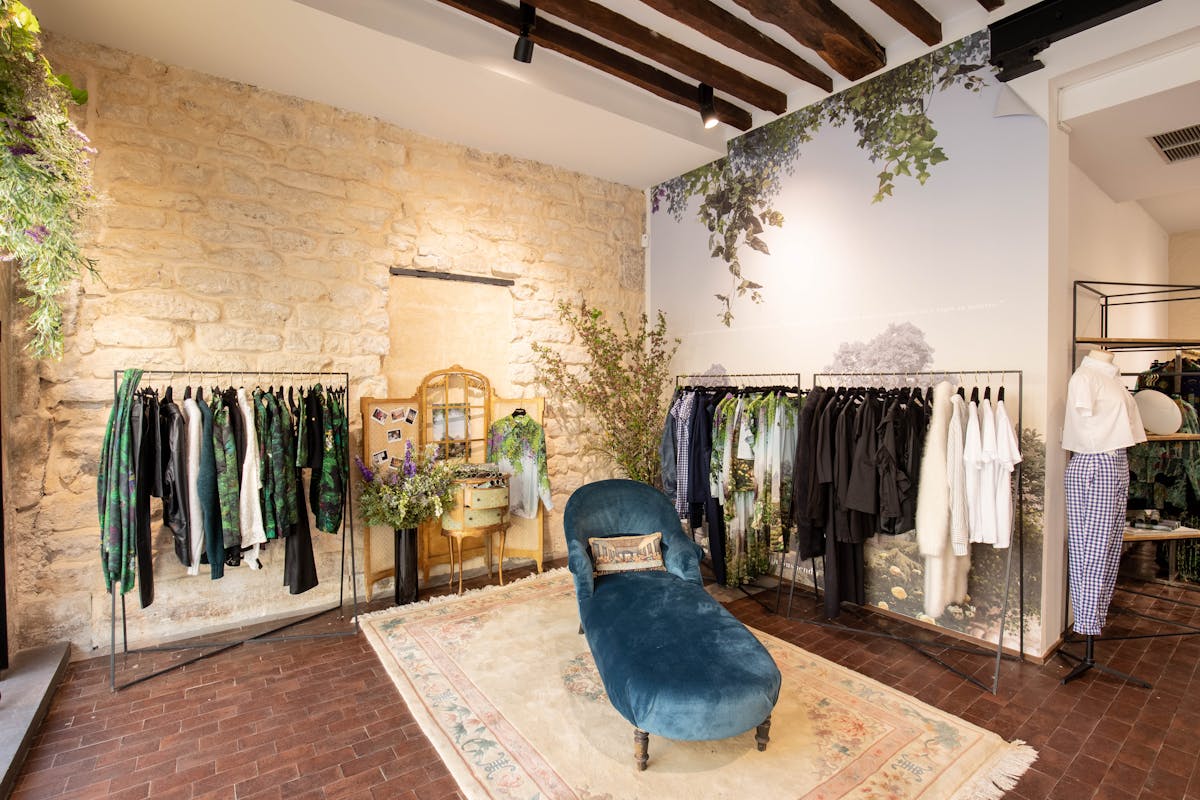
King's Road runs the full length of Chelsea from Sloane Square westward, giving it a long, continuous run of shopfronts in central London. It built its reputation as a center of London fashion retail in the 1960s and has retained a strong independent and boutique character alongside its larger occupants. That mix is what makes it useful for a brand looking for a small unit: the street does not read as a single-operator destination, so a new or temporary tenant sits naturally within it.
Chelsea has no Underground station inside the district itself. Sloane Square sits on its eastern edge, so visitors arrive on foot or by bus and have generally made a deliberate trip. Footfall is qualified rather than passing, which suits a boutique or a test-format space better than a volume-traffic location would.
A small space here is a deliberate positioning choice: premium address, manageable commitment, and a catchment that already understands and expects independent retail.
Who Books Small Retail Space on King's Road
The brands that take small units on King's Road tend to fall into a few consistent patterns.
-
Independent labels testing a physical presence in London for the first time, using a short booking to read the market before committing to a longer lease
-
Direct-to-consumer brands running a seasonal pop-up, particularly around the Christmas trading period or London Fashion Week, when the Chelsea catchment is at its most active
-
Established labels taking a secondary location away from their main flagship, deliberately sized small to serve the local resident rather than the tourist
For all three, cheap is not the word. The draw is the address and the customer it brings, and the small floorplate is what makes that address accessible.
Pricing on King's Road
For short-term retail space across London, daily rates typically run from £150 to £310 and weekly rates from £675 to £1,500. King's Road units sit within that range, and the right figure for any specific space depends on size, fit-out, position on the street, and the duration of the booking. Longer stays generally work in the renter's favour, because a host with no empty days between consecutive bookings prices continuity.
Final rates depend on duration, exclusivity, and event timing. Pricing shown reflects typical asking ranges for spaces in the area; final booking terms are negotiated directly with the host.
When to Book
Demand for small retail space on King's Road follows Chelsea's own calendar. The run-up to Christmas is the busiest window, with brands arriving to capture the area's strong gift and fashion trade. London Fashion Week, in February and September, brings another wave of label and showroom activity to the wider area.
August is the quietest month commercially, when a large share of the resident population leaves the city, and the neighborhood high streets see their lowest footfall of the year. A brand that needs a quieter test period or is planning a fit-out will find this month more available and more flexible.
For reference on how to plan and execute a physical retail launch in London, How to Start a Pop-Up Shop in London: The Complete Guide covers the practical steps from search to opening day.
King's Road in Context
Chelsea sits between Knightsbridge to the north and Fulham to the west. Bond Street serves the luxury flagship market further north. For brands whose customer is the London resident rather than the international visitor, King's Road offers a different kind of presence from those corridors.
Beyond Chelsea, brands running multi-location or contrasting-format strategies often pair a King's Road booking with space in Shoreditch or Camden, reaching a different demographic across the city. For a broader view of retail space in London across all areas, the city-wide search shows the full range of what is available.
FAQ
What does a typical deposit cover on a short-term retail space?
Deposits, insurance and cleaning are agreed directly with the landlord and vary by space, by duration and by the kind of activity. They typically cover the period of occupancy against damage and any additional cleaning required at the end. The amount and the return conditions are agreed before the booking is confirmed, so it is worth clarifying both at the enquiry stage.
What is the minimum booking duration for a small retail unit?
Each host sets their own minimum, and it varies. Some spaces are available for a single day, others require a minimum of a week or a month. The listing states the host's terms, and the booking dialogue is the right place to discuss any flexibility.
Can I brand the space or alter the fit-out during my booking?
That depends on the specific space and the host's terms. Many hosts accept removable branding, window graphics and display fittings; permanent alterations are rarely permitted on a short let. On a listed building or in a conservation area, external signage may also need consent from the local authority. Establish what is and is not allowed before confirming the booking.
Who is responsible for waste removal during the booking?
A business occupier is under a duty of care for its own waste and cannot use household or residential collections. Waste must be stored securely and removed by a registered carrier, with a waste transfer note for each collection. For a short booking, this is an operational cost to arrange before opening day rather than on it.
What happens if I need to change my booking dates?
Cancellation and date-change terms are set by the host and written into the booking agreement. They vary between listings, so the right approach is to read the terms when you receive them and raise any questions before confirming rather than after.